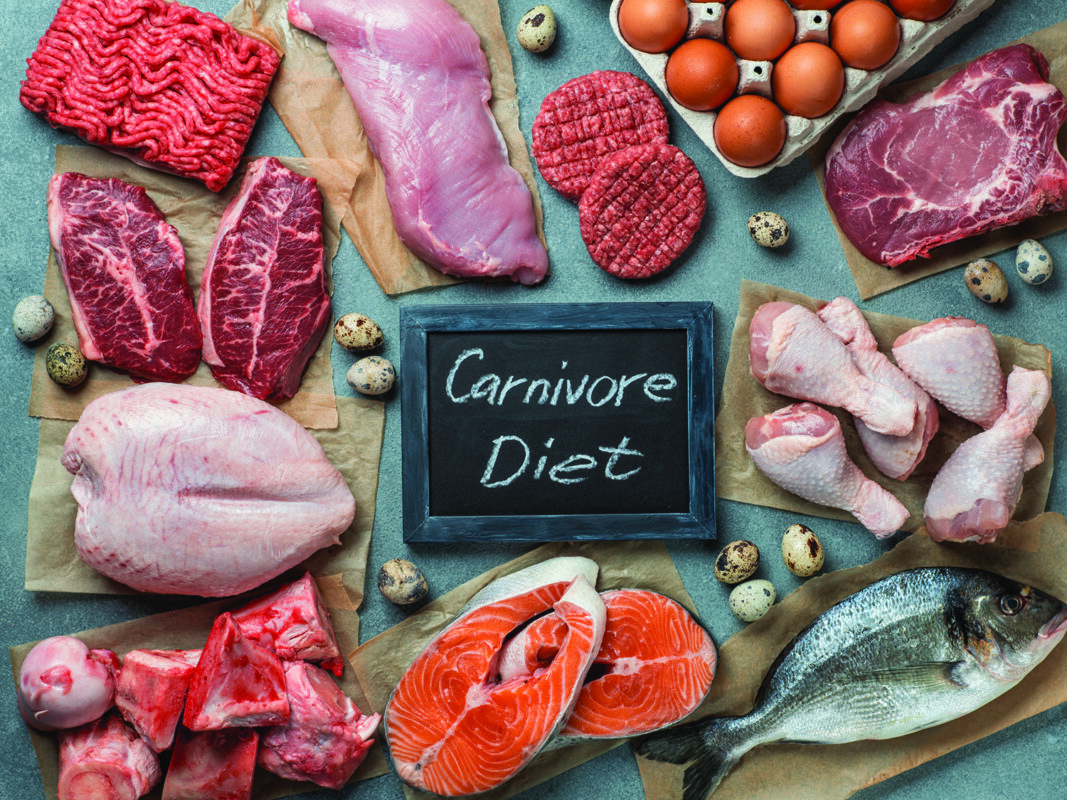
The carnivore diet has recently become popular among people looking for a simple way to lose weight or improve their health.
But is the carnivore diet healthy? The answer is not as simple as some online claims suggest.
The diet focuses almost entirely on meat and other animal foods while removing fruits, vegetables, grains, beans, nuts, and seeds. Some people report benefits, such as weight loss and better blood sugar control. However, there is limited research on the diet, especially when it comes to long-term health.
A recent review found only a small number of human studies on the carnivore diet. The researchers noted that the studies done were generally small, of short duration, and had other limits. Consequently, more research is needed before experts can say whether the diet is safe or healthy over many years.
What Is the Carnivore Diet?
The carnivore diet is an eating plan that includes mostly or only foods from animals. Meat is the main food, but some versions also include eggs, fish, seafood, and dairy products.
The goal is usually to eat very few or no carbohydrates. Because carbohydrates are found in fruits, vegetables, grains, and beans, these foods are generally removed from the diet.
The carnivore diet has gained attention through social media, podcasts, and online health personalities. Supporters say that eating mostly meat can reduce hunger, simplify meal planning, and help with weight loss.
However, “When you omit entire food groups from your diet, the risk of negative health consequences increases,” cautions dietitian Kristen Smith, PhD, RDN, LD.
What Can You Eat on the Carnivore Diet?
A typical carnivore diet food list includes:
- Beef, pork, and lamb
- Chicken and other poultry
- Fish and seafood
- Eggs
- Organ meats
- Animal fats, such as butter and tallow
- Water
Some people also include milk, cheese, cream, and other dairy foods. Dairy products vary in their carbohydrate content, so some strict versions of the diet limit them.
Processed meats, such as bacon, sausage, and deli meat, also may be included. However, eating large amounts of processed meat is not recommended for overall health. The International Agency for Research on Cancer classifies processed meat as carcinogenic to humans, with strong evidence linking it to colorectal cancer.
Foods that are generally avoided on the carnivore diet include fruits, vegetables, potatoes, grains, beans, lentils, nuts, seeds, and most foods made from plants. Sugars and sweets, as well as alcohol, soda, and juices, are also to be avoided.
Potential Benefits of the Carnivore Diet
Some of the most common carnivore diet benefits reported by followers include weight loss, better blood sugar control, and less hunger.
Weight loss is one of the main reasons people try this eating plan. Meat and other animal foods are often high in protein, which can help people feel full. Plus, removing sweets, sugary drinks, and many highly processed foods may reduce overall calorie intake.
However, losing weight does not necessarily mean the diet is healthier. There is not enough evidence to show that the carnivore diet is better for long-term weight loss than other eating plans.
Blood sugar control is another possible benefit. Since the diet contains very few carbohydrates, it can reduce the rise in blood sugar that normally happens after eating carbohydrate-containing foods. “Eliminating carbohydrates completely is not necessary for good blood sugar control,” Smith says. Many carbohydrate-rich foods, including vegetables, beans and whole grains, can be part of a healthy diet, she adds.
The carnivore diet also may appeal to people because it is simple. There are fewer foods to choose from, and high-protein meals may help control hunger.
Scientific research specific to the eating plan is in short supply. Personal experiences discussed on social media can be helpful, but they do not replace long-term scientific studies.
Carnivore Diet Risks and Side Effects
If you’re thinking about trying a carnivore diet, consider the potential risks associated with it.
- Nutrient deficiencies. Fruits, vegetables, whole grains, beans, nuts, and seeds provide important vitamins, minerals, antioxidants, and fiber. Removing these foods may make it harder to get enough vitamin C, vitamin D, calcium, magnesium, and other nutrients.
- Carnivore diet constipation. One of the most common concerns with the diet is its lack of fiber. Fiber is found mainly in plant foods and helps keep stool soft and moving through the digestive system. A diet with little or no fiber may lead to constipation, bloating, or other digestive problems.
- Other carnivore diet side effects. These may include headaches, fatigue, nausea, or diarrhea, especially when someone first changes to a very low-carbohydrate diet. Some people may feel better after adjusting, while others may continue to have digestive problems.
- Carnivore diet and heart health. Another concern is the amount of saturated fat found in some carnivore diets. Foods such as fatty red meat, bacon, sausage, and butter can be high in saturated fat. Too much saturated fat can raise LDL, or “bad,” cholesterol. High LDL cholesterol increases the risk of heart disease and stroke.
- Kidney concerns. A very high-protein diet may be a problem for people with kidney disease. The kidneys help remove waste products created when the body breaks down protein. People with kidney problems may need to limit protein.
- Possible cancer risk. Eating large amounts of red and processed meat is another concern. Research has linked high intake of processed meat with a greater risk of colorectal cancer.
Is the Carnivore Diet Healthy?
So, is the carnivore diet healthy? For most people, it is difficult to recommend the carnivore diet as a long-term eating plan.
“The biggest concern is its lack of variety,” Smith says. “Healthy eating is about getting a wide range of nutrients from different foods.” Meat can provide protein, iron, zinc, and other nutrients, but it does not provide everything the body needs.
You don’t necessarily have to remove meat from a healthy diet. Lean meat, poultry, and fish can all fit into a balanced eating pattern. The concern is making animal foods the only major source of nutrition.
Who Should Avoid the Carnivore Diet?
Certain populations should either refrain from following a carnivore diet or approach it with caution:
- People with kidney disease should not begin a high-protein diet without first talking with their healthcare provider.
- People with heart disease, high cholesterol, or other heart concerns should be cautious, especially if the diet includes large amounts of fatty or processed meats.
- Anyone who already has constipation or digestive problems may find that a diet without fiber makes symptoms worse.
People considering following the carnivore diet for months or years should talk with a doctor or registered dietitian. There is not enough long-term research to know all of the diet’s possible health effects.
Alternatives to the Carnivore Diet
You do not have to choose between eating only meat or following a high-carb diet. A lower-carb but balanced eating plan can provide more flexibility and nutrients.
Build meals around lean protein, fish, eggs, vegetables, fruits, nuts, seeds, and whole grains. Limit highly processed meats and other foods, and choose healthy fats.
A flexible eating plan is easier for most people to follow for an extended time. Instead of cutting out entire food groups, focus on portion sizes, food quality, and variety.
Overall, carnivore diet benefits may include short-term weight loss, fullness, and simple meal choices, but the diet also comes with important concerns. More research is needed to understand its long-term effects.