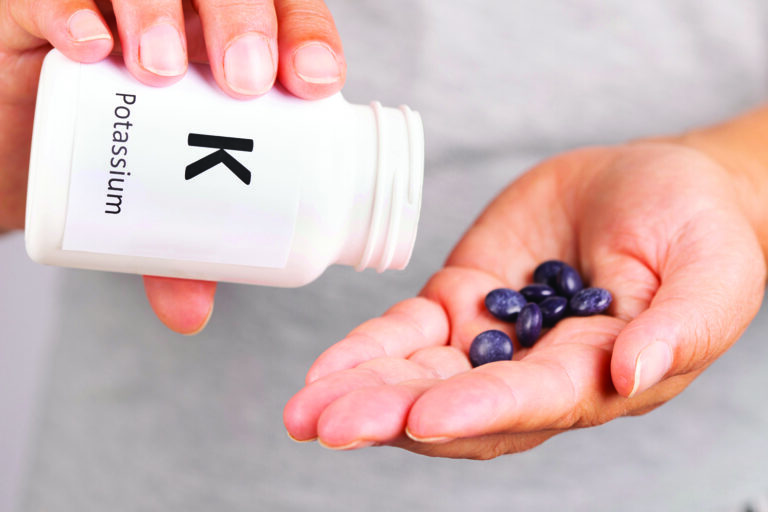
Are you one of millions of Americans who take a daily fiber supplement? If so, are you sure you are taking the best fiber supplement for constipation or heart disease?
The answer depends on the benefits you hope to gain from the supplement.
“There are lots of different fiber supplements, but all fall into two groups: soluble and insoluble,” says Cleveland Clinic dietitian Katherine Patton, RD, LD. “Increasing your fiber intake is a relatively easy and inexpensive way to help ward off heart disease and many digestive disorders.”
What Fiber Supplements Do for You
Natural fiber is a component of plant foods that our bodies cannot digest.
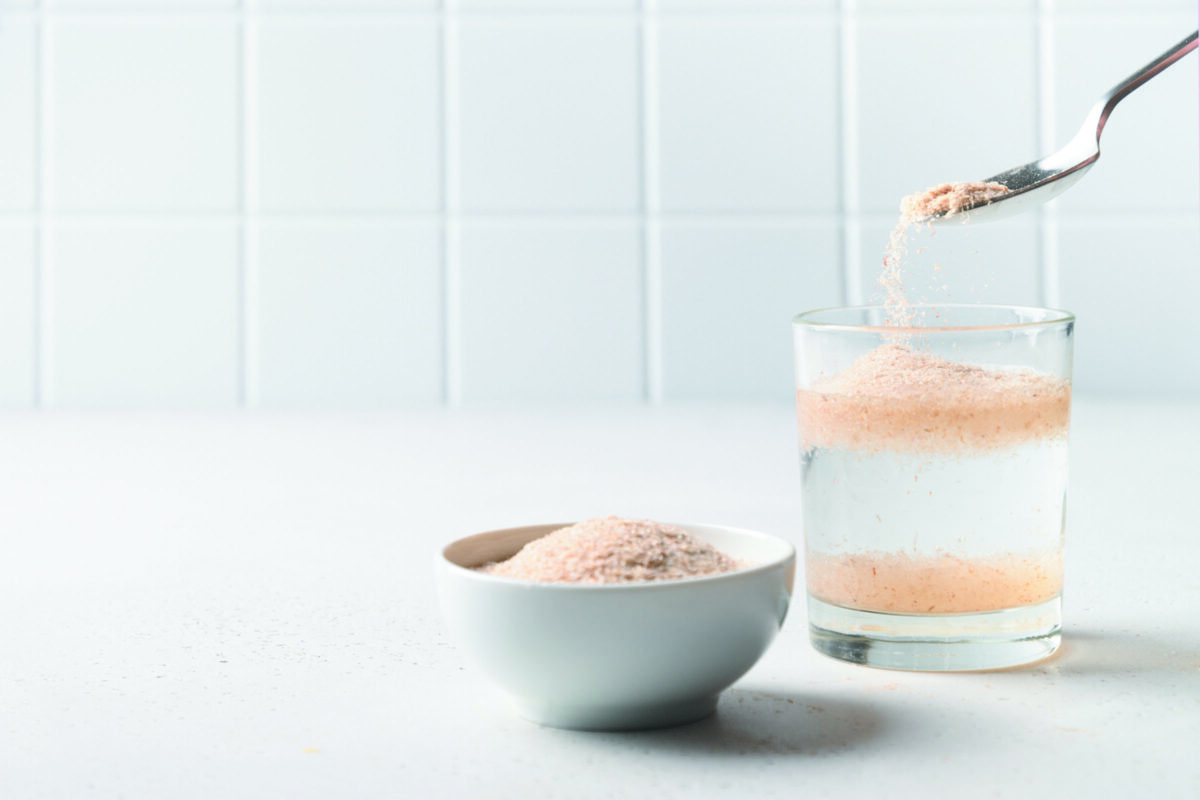
Soluble fiber dissolves in water to form a gummy gel that slows the passage of food through the digestive system. Most soluble fiber supplements are made from psyllium or methylcellulose.
“The gel adds bulk to the stool, which helps prevent constipation. Slowing digestion also helps blood sugar levels remain steady,” Patton explains.
Soluble fiber binds with bile acids to eliminate them from the body. This process lowers LDL (“bad) and total cholesterol levels. Recently, soluble fiber has been shown to diversify the beneficial bacteria that populate the gut, thereby improving digestion and lowering the risk of heart disease.
Insoluble fiber supplements are made from inulin, a substance found in many fruits and vegetables. The inulin in most fiber supplements is derived from chicory root.
Insoluble fiber supplements are the best fiber supplements for constipation because they soften stools.
“A meal high in insoluble fiber helps you feel full longer, so you don’t get hungry and snack between meals. That’s how a high-fiber diet works to control weight,” says Patton.
Is there a best fiber supplement for women or a best fiber supplement for men?
“No,” says Patton. “Fiber supplements work the same in individuals of both sexes.”
How Much Fiber You Need
The average American consumes only 15 grams (g) of fiber per day. Unless you’re a vegetarian, there’s a good chance you’ll need to increase the amount of fiber you eat to meet recommended levels.
The Academy of Nutrition and Dietetics recommends that adults consume 25 to 35 g of fiber per day. Of this amount, 10 to 15 g should be soluble fiber.
After age 70, fiber requirements drop to 21 g of total fiber per day for women and 30 g per day for men.
Foods Instead of Fiber Supplements
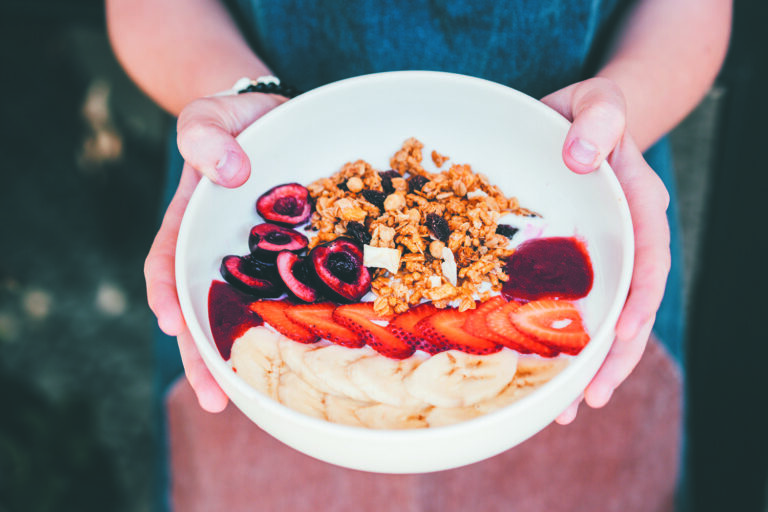
You don’t have to buy fiber supplements to get the fiber you need. Many foods are good sources of fiber and may even contain both soluble and insoluble fiber in varying amounts.
To get enough fiber in your diet, choose foods that are high in total fiber (see chart, “Fiber-Rich Foods,” for examples).
“We want to get most of our fiber from whole foods, because they also give us the vitamins and minerals that we need,” says Patton. “Daily fiber supplements should not be considered an alternative to dietary fiber.”
You can increase the amount of fiber you consume by making a few adjustments to your diet:
- Eat raw fruits and vegetables instead of drinking juice, since the skins are high in fiber.
- Add dried fruit to yogurt, cereal and salads.
- Choose carbohydrates with a “whole” grain listed as the first ingredient—for example, “whole-wheat flour.”
- Avoid enriched flours. Their fiber has been removed.
- Look for the amount of dietary fiber per serving listed on a product’s “Nutrition Facts” label.
Use Fiber Supplements Wisely
Once you’ve made the commitment to consume more fiber, go slowly. Increasing fiber too quickly can cause cramping, bloating or gas.
“Soluble fiber supplements should be taken with at least 8 ounces of water,” says Patton. “Anyone taking fiber supplements or eating a high-fiber diet should drink at least eight cups of water a day to help the fiber work as it should and to prevent constipation.”
Fiber-Rich Foods
Some good sources of dietary fiber include:
| Food | Total fiber |
| Lentils | 18 g/cup |
| Fiber One Original Bran Breakfast Cereal | 18 g per ⅔ cup |
| Split peas | 16 g/cup |
| Black beans | 15 g/cup |
| Pinto beans | 15 g/cup |
| Artichoke hearts | 14 g/cup |
| Chickpeas | 14 g/cup |
| Kellogg’s All-Bran Original Cereal | 12 g per ¾ cup |
| Raspberries | 8 g/cup |
| Blackberries | 7.5 g/cup |
| Whole-wheat pasta | 7 g/cup |
| Pears, with skin | 6 g |
| Apples, with skin | 4 g |