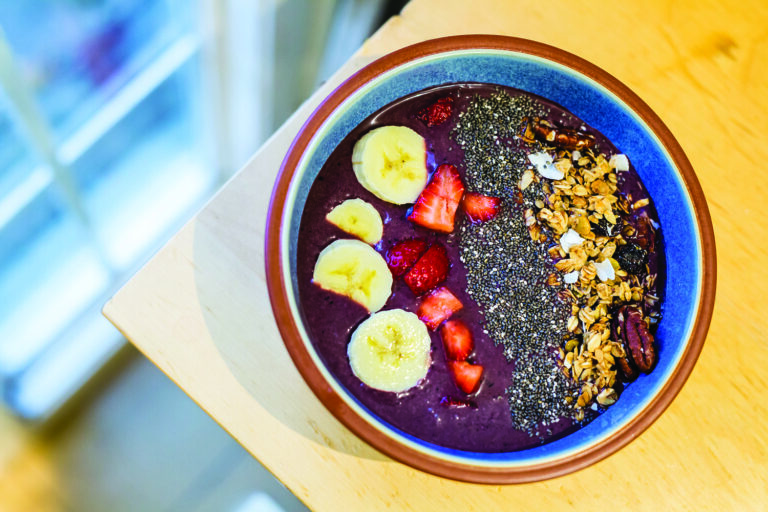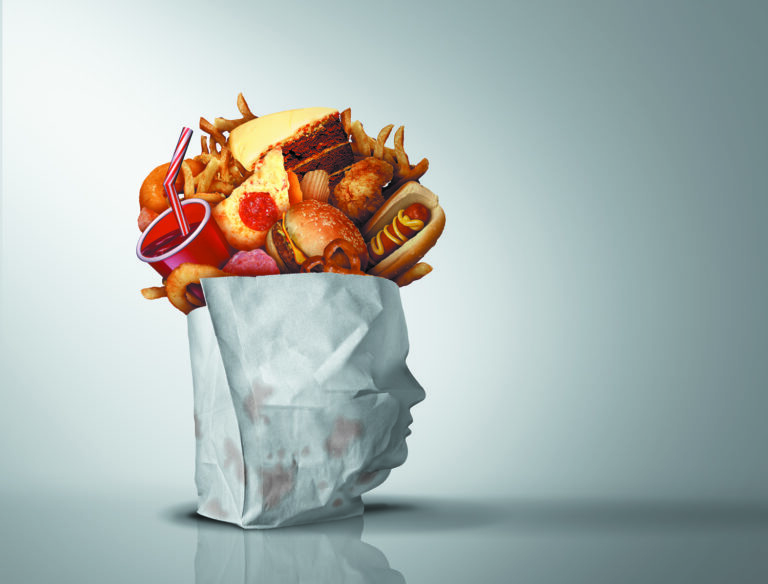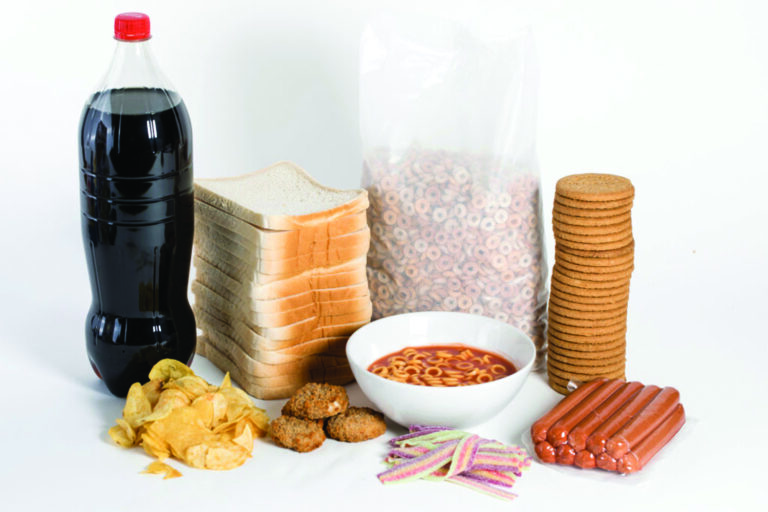
Hunger can make healthy eating and weight management feel challenging.
Fortunately, certain foods naturally help you feel fuller for longer, aiding in your weight-management efforts by helping to ease your hunger. These most filling foods can also be a key part of an overall healthy eating pattern.
What Makes a Food Filling?
Several factors influence how satisfying a food is after you eat it.
- Fiber. Fiber slows digestion and helps food remain in the digestive tract longer. High-fiber foods also absorb water and add bulk, contributing to feelings of fullness. Fruits, vegetables, legumes, and whole grains are among the best sources of dietary fiber.
- Water content. Foods with a high water content take up more space in the stomach without adding many calories. “Volume tends to be one of the most important factors,” says Dana Ellis Hunnes, PhD, MPH, RD, a senior clinical dietitian at Ronald Reagan UCLA Medical Center. “If a food takes up more space in your stomach and expands your stomach, it will tend to make you more satiated and keep you feeling full for longer.” Foods that combine high water content with fiber and/or protein tend to keep you full longer than high-water foods alone. For example, watermelon, strawberries, and vegetables paired with a protein source can be especially filling.
- Protein. Protein is often filling because it slows digestion and influences hormones that regulate hunger, but its benefits can be overblown. “Protein can help, but I do wish as a country we could move away from the protein obsession so much,” Dr. Hunnes notes. “It’s a challenge to be protein deficient in the U.S. if you eat even some animal proteins daily. Yes, you may have to plan better on a plant-based diet, but again, it’s still challenging to be protein deficient unless you have medical conditions where you malabsorb or leak protein from your intestinal tract.”
- Energy Density. Energy density refers to the number of calories in a given volume of food. Low energy density foods provide fewer calories for a larger serving size, allowing people to eat satisfying portions while managing calorie intake. Research published in the journal Nutrition Reviews has consistently found that the best foods for weight loss have low energy density, particularly fruits and vegetables, that can help improve satiety and support weight management. “High-fat foods tend to linger in your stomach longer and empty slower, so you might feel full for a very long time on a high-fat food, but, generally, high fiber, high-volume foods tend to make foods filling,” Hunnes notes.
Benefits of Eating Filling Foods
Choosing filling foods offers benefits beyond simply avoiding hunger:
- Better Appetite Control. Foods rich in fiber, water, and nutrients help regulate hunger signals throughout the day, reducing the urge to snack excessively.
- Support for Weight Loss. People often assume weight loss requires constant deprivation. In reality, focusing on filling foods may make healthy eating easier and more sustainable. “We need to flip the switch on talking about weight loss and stop thinking about it as deprivation when we can add healthy high-volume, high-fiber, high-water-content foods to our diet that are low calorie dense, support weight loss, and don’t make us feel starving,” Dr. Hunnes says.
- Improved Nutrition. Many of the most filling foods are also nutrient-dense, providing vitamins, minerals, antioxidants, and other compounds that support long-term health.
- More Stable Energy Levels. Foods that digest more slowly can help prevent dramatic fluctuations in blood sugar and energy, helping you feel satisfied between meals.
The 10 Most Filling Foods
This list features 10 of the best foods that keep you full…
- Lean Protein Sources. Protein-rich foods, such as chicken breast, turkey, fish, tofu, and tempeh, can help increase satiety while providing essential nutrients. Protein takes longer to digest than simple carbohydrates, helping people stay satisfied between meals. Fish also provides heart-healthy omega-3 fatty acids.
- High-fiber foods. Vegetables such as broccoli, Brussels sprouts, cauliflower, cabbage, and leafy greens are among the best foods for feeling full. These vegetables combine high fiber and high water content with relatively few calories. The result is a large, satisfying portion size that supports healthy eating goals.
- Berries. Strawberries, raspberries, blackberries, and blueberries offer fiber, water, and antioxidants in a naturally sweet package. Raspberries and blackberries are especially rich in fiber.
- Celery. Celery is often overlooked as a satiety food, but it has a high water content and is low calorie dense, making it surprisingly filling. Pair it with hummus, nut butter, or a bean-based dip creates a more balanced and satisfying snack.
- Bananas. Bananas contain fiber, water, and resistant starch, particularly when slightly underripe. Bananas are also portable and convenient, making them a practical choice for busy schedules.
- Whole Grains. Whole grains such as oats, quinoa, brown rice, barley, and farro provide fiber and complex carbohydrates that digest more slowly than refined grains. Oatmeal, in particular, has been studied for its ability to promote satiety due to its soluble fiber content, especially beta-glucan.
- Legumes. Beans, lentils, and peas provide a powerful combination of fiber and plant-based protein. Studies have shown that people who regularly consume legumes often experience greater fullness and improved appetite control. Dr. Hunnes emphasizes that high-fiber, high-volume foods tend to be especially satisfying, making legumes a standout choice.
- Eggs. Eggs are rich in protein and provide important nutrients such as choline, vitamin D, and B vitamins. Several studies have found that eggs eaten at breakfast can increase satiety and reduce calorie intake later in the day, compared with some carbohydrate-heavy breakfast options.
- Low-Fat Dairy. Greek yogurt, cottage cheese, and low-fat milk provide protein along with calcium and other nutrients.
- Water and Hydrating Foods. Hydration plays an important role in appetite regulation. Sometimes thirst can be mistaken for hunger. Foods with exceptionally high water content, including cucumbers, watermelon, tomatoes, lettuce, and soups, can help increase fullness while contributing relatively few calories. Research from nutrition experts has repeatedly shown that starting a meal with broth-based soup or a large salad may help reduce overall calorie intake while maintaining satisfaction.
Tips for Incorporating Filling Foods into Your Diet
Building meals around filling foods doesn’t have to be complicated. Consider these recommendations:
- Add Instead of Restrict. Rather than focusing solely on eating less, focus on adding nutrient-dense foods. “Don’t think about taking foods away and only about shrinking portions, because yes, that can set you up for failure,” Dr. Hunnes says. “Think about adding more vegetables and fruits to your diet.”
- Build Balanced Meals. Aim to include a source of protein, at least one high-fiber food, fruits or vegetables, and healthy fats in moderation. This combination promotes fullness and nutritional balance.
- Start With Vegetables. Filling half your plate with vegetables increases volume while keeping calories manageable.
- Choose Smart Snacks. Healthy filling snacks include Greek yogurt with berries, apple slices with nut butter, hummus and vegetables, roasted chickpeas, and cottage cheese and fruit.
- Stay Hydrated. Drinking water throughout the day may help prevent mistaking thirst for hunger.
Common Myths About Filling Foods
Myth #1: Only Protein Matters
Protein is important, but it’s not the sole driver of satiety. Fiber, water content, and food volume often play equally important roles in helping people stay satisfied.
Myth #2: All Carbohydrates Cause Hunger
Not all carbs are created equal. Whole grains, beans, fruits, and vegetables provide fiber and nutrients that can support fullness and healthy eating.
Myth #3: Weight Loss Requires Constant Hunger
Many people believe feeling hungry is a necessary part of losing weight. In reality, choosing low-energy-density foods, fruits, vegetables, legumes, and other high-volume options can help create satisfying meals that support weight management without persistent hunger.
The most filling foods aren’t necessarily the highest in protein or calories. Instead, foods that combine fiber, water, volume, and nutrient density often provide the greatest satisfaction. Vegetables, fruits, legumes, whole grains, eggs, lean proteins, and low-fat dairy can all help keep hunger under control while supporting overall health.