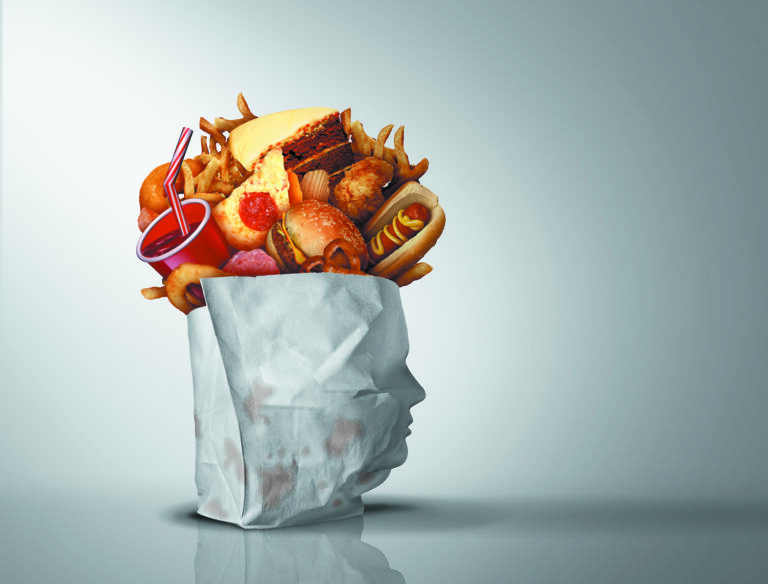
We are a nation of people who love ultraprocessed foods. In fact, ultraprocessed foods comprise as much as 60% of the average American diet, researchers say. The desire for ultraprocessed foods is driven by convenience and taste. Who can resist grabbing some frozen dinners to heat up during a busy week or a package of cookies for a midafternoon pick-me-up?
But these choices come with the potential for serious health consequences. You might be less inclined to choose ultraprocessed foods over fresh food if you understand how ultraprocessed foods are made and how they can affect your health.
What Are Ultraprocessed Foods?
“Ultraprocessed foods are foods that have been altered by industrial processes and contain non-food ingredients along with large amounts of fats, starches, sugars, salt, and hydrogenated oils,” says Michelle Dodd, RD, LD, a dietitian in Cleveland Clinic’s Section of Preventive Cardiology and Rehabilitation. “Ultraprocessed foods have few nutrients and little or no fiber, and they tend to be high in calories.”
The companies that make ultraprocessed foods replace traditional ingredients with cheaper ingredients designed to make the end product last longer (sometimes for years) and be easier to handle, store, and ship. The food’s natural protein, carbohydrate, or fat is altered through processes such as grinding, pulverizing, and bleaching until every bit of texture, moisture, and nutritional value is gone. Then new ingredients—primarily non-food, industrial compounds such as flavor enhancers, synthetic emulsifiers, dyes, humectants, stabilizing gums, foaming agents, thickeners, and sweeteners—are added in, along with the minimum vitamins and minerals required by law.
“Ultraprocessed foods are created for a single purpose: to be highly profitable for the companies that make them,” Dodd says. “Ultraprocessed foods are designed to be hyperpalatable (that means very tasty) and irresistible. The goal is to keep you wanting more.”
The NOVA Food Classification System
Nearly every food we eat is processed to some degree. As a rule of thumb, the more roughly a food is treated and the more unnatural ingredients it contains, the less healthy it becomes. Unflavored Greek yogurt is a healthy processed food, but fruit-flavored yogurt is not. “The minute sweeteners, preservatives, or thickening agents are added, it becomes an ultraprocessed food, and most ultraprocessed foods are unhealthy,” Dodd says.
The NOVA system was developed by a Brazilian epidemiologist in 2010 to help people understand how healthy a food is. NOVA groups food into four categories from the least processed and healthiest (1) to the most processed and unhealthiest (4). “It’s a useful tool to help us make healthier food choices,” says Dodd.
Group 1: Unprocessed or Minimally Processed Foods
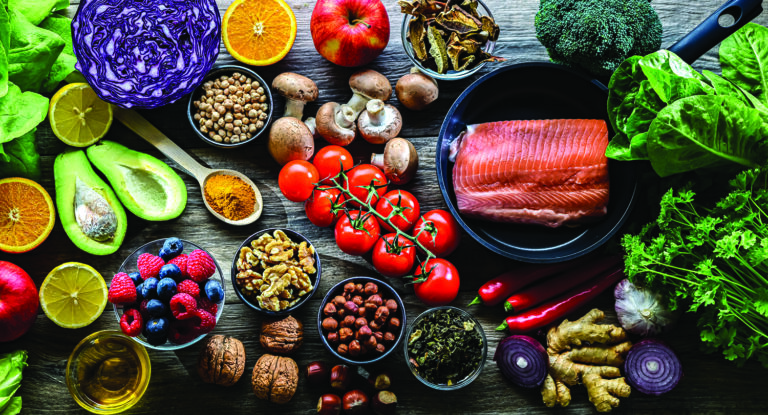
Unprocessed foods (often called “whole” or “fresh” foods) are the edible parts of plants and animals. Minimally processed foods are unprocessed foods that have been modified by having their inedible parts removed or being crushed, dried, ground, pasteurized, frozen, or fermented without alcohol. No salt, sugar, oil, fat, or additives are added.
Examples: Fresh or frozen fruits and vegetables, grains, dried legumes, fresh meat and fish, eggs, milk, plain yogurt, nuts, seeds, crushed spices.
Group 2: Processed Culinary Ingredients
These are foods from Group 1 or nature used in home cooking to season and create dishes. They have been pressed, refined, milled, or dried. They are typically free of additives, but may contain added vitamins or minerals; for example, iodine added to salt.
Examples: Oils obtained by crushing seeds, nuts, or fruits (such as olive oil), salt, sugar, vinegar, syrups obtained from trees (like maple syrup), butter, honey, sugar.
“These foods are safe to use in small amounts to season your food,” Dodd says.
Group 3: Processed Foods
Processed foods are made by adding Group 2 ingredients to Group 1 foods and preserving them through baking, broiling, canning, bottling, or nonalcoholic fermentation. They may include additives designed to prolong their shelf life, prevent the spread of organisms, or enhance their flavor.
Examples: Cheese; canned vegetables; salted nuts; fruits in syrup; dried or canned fish; breads, pastries, cakes, snacks, and meat products made solely of Group 1 and Group 2 ingredients.
“These foods can be part of a healthy diet when included in small amounts in meals based on unprocessed or minimally processed foods,” Dodd says.
Group 4: Ultraprocessed Foods
Ultraprocessed foods are industrially manufactured products typically containing five or more ingredients. Most contain sugar, oil, fat, or salt in combination and in higher amounts than in Group 3 foods. They generally contain little or no intact Group 1 foods, but may contain ingredients not used in home cooking, such as high-fructose corn syrup, hydrogenated oils, modified starches, and protein isolates.
Ultraprocessed foods often include preservatives, emulsifiers, flavor enhancers, and coloring agents. Furthermore, they are manufactured with industrial techniques such as pulverizing, extruding, and pre-frying.
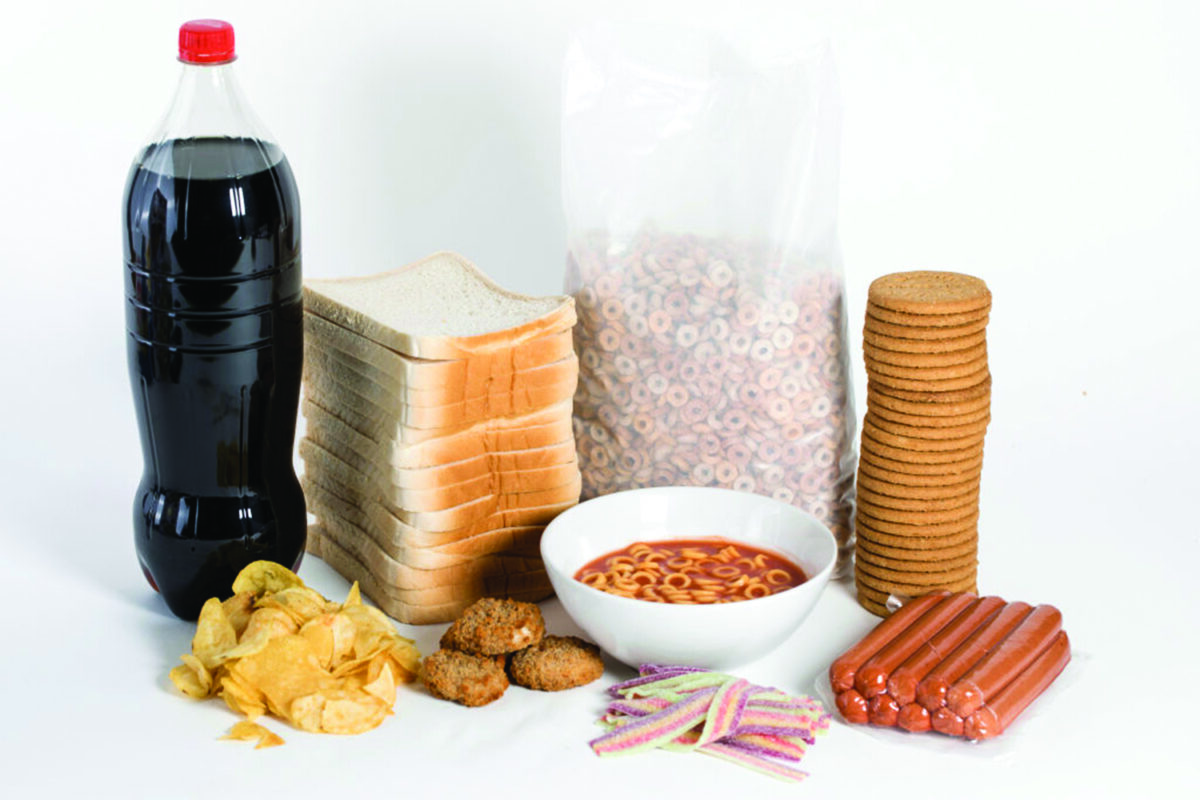
Examples: Carbonated soft drinks, packaged sweet and savory snacks, instant noodles, frozen meals, reconstituted meat products.
“Avoid these whenever possible,” Dodd advises.
| CATEGORY | GOOD OPTIONS |
| 1. Unprocessed/minimally processed foods
Naturally occurring foods without added salt, sugar, oils or fats |
Low-fat/fat-free milk; eggs; fresh, frozen or dried whole fruits and vegetables; whole oats; brown rice; poultry and fish (baked or grilled, not breaded or fried); dried beans/peas/lentils |
| 2. Processed culinary ingredients
Products from group 1 processed by pressing, grinding, milling or refining; used to prepare, season or cook foods from group 1 |
Olive, canola, avocado or walnut oils; vinegar; honey (instead of sugar or artificial sweeteners), spices (turmeric, ginger, garlic powder, cinnamon) |
| 3. Processed foods
Products from group 1 with added sugar, oil and/or salt to increase shelf life or flavor |
Fruits canned in juice (not syrup), low-sodium canned vegetables and beans (rinsed and drained), low-sodium canned/foil-packed seafood or chicken, block cheese (not shredded, with stabilizers), lightly salted nuts/seeds |
| 4. Ultraprocessed foods
Industrially created products with additives such as protein isolates, maltodextrin, high-fructose corn syrup, emulsifiers, stabilizers, flavor enhancers, artificial sweeteners, bulking/anti-bulking agents |
100% whole-grain bread, breakfast cereals without added sugars (≥3 grams of fiber per serving), Greek yogurt (plain or with fruit and no added sugars), plant-based milks (little or no added sugars) |
Common Examples of Ultraprocessed Foods
In addition to the foods mentioned above, many staples of the American diet fall into Group 4, including these products (to name a few):
- Canned and instant soups
- Chicken nuggets
- Hot dogs
- Lunch meats (e.g., salami, pepperoni, deli meats)
- Premade hamburger patties
- Cookies
- Candy
- Prepackaged baked goods
- Frozen pizza
Why Are Ultraprocessed Foods So Common?
Ultraprocessed foods are ubiquitous because they cost less than food made from scratch, take less time to prepare, and trick your taste buds into thinking they taste just as good or even better. Replacing natural ingredients with cheaper industrial ingredients that mimic their taste and smell saves money and allows companies to sell ultraprocessed foods at a low cost and a high profit.
Ultraprocessed foods containing higher-than-normal amounts of sugar, fat, or salt appeal to your reward system: When you eat this food, you feel great and want more.
Ultraprocessed foods that contain high amounts of artificial sweeteners trick your brain into thinking that real sugar is on its way. When real sugar doesn’t follow, you crave more artificial sweetener to satisfy your desire for sweetness.
Health Risks Linked to Ultraprocessed Foods
When consumed regularly or in excess, ultraprocessed foods are linked to cardiovascular disease, cancers, depression, anxiety, dementia, diabetes, obesity, sleep disorders, hypertension, premature death, gastrointestinal issues, and respiratory disorders.
Clinical studies associate ultraprocessed foods with high rates of heart attack, stroke, and cardiovascular death. For example, a review of 20 prospective studies totaling more than 1.1 million participants found that each additional daily serving of ultraprocessed food increased the risk of a cardiovascular event by 2.2% (eClinical Medicine, March 2024). Similarly, a meta-analysis of prospective studies found that high intake of ultraprocessed foods was linked to a 35% increased risk of a cardiovascular event and a 21% increased risk of death from any cause. For each daily serving of ultraprocessed food, the risk of a cardiovascular event rose by 4% and all-cause death rose by 2% (Food Function, March, 20, 2023).
Ultraprocessed foods also affect cardiac risk factors by increasing rates of diabetes and obesity. A study of nearly 200,000 U.S. health professionals found that those who ate the most ultraprocessed foods had an almost 50% higher chance of developing diabetes than those who ate the least ultraprocessed food (Diabetes Care, July 1, 2023). Ultraprocessed foods are widely credited for contributing to the so-called epidemic of obesity being experienced in the U.S. and other Western countries. Yet the nutritional value of ultraprocessed foods can be so poor that those who obtain a major portion of their calories from ultraprocessed foods can become both obese and malnourished.
Other notable disease risks have been associated with ultraprocessed foods. A study of 105,000 adults found that a 10% increase in ultraprocessed food consumption was associated with a greater than 10% rise in the overall risk of cancer and, specifically, breast cancer (BMJ, Feb. 14, 2018). And, a study of 5,370 older adults found that those who ate the most ultraprocessed foods were nearly 50% more likely to develop cognitive impairment or dementia than those who ate the most minimally processed foods (American Journal of Public Health, online June 3, 2026).
“There are multiple reasons why ultraprocessed foods have a negative effect on health. Primarily, their high fat levels and excess calories raise blood lipid levels and drive obesity, their high sugar levels cause systemic inflammation and disrupt the balance between glucose and insulin, and high sodium levels stiffen blood vessel walls and raise blood pressure,” Dodd explains.
Additionally, the emulsifiers, artificial flavors, and industrial compounds contained in ultraprocessed foods harm gut microbiota and cause metabolic dysregulation.
Are All Ultraprocessed Foods Unhealthy?
Surprisingly, not all ultraprocessed foods are unhealthy. Certain whole-grain breads, low-sugar yogurts, tomato sauces, and nut- or bean-based spreads may actually improve health.
Additionally, some industrially processed foods are not considered ultraprocessed foods. They include milk treated with pasteurization to destroy harmful bacteria and extend shelf life; breads, cereals, and orange juice supplemented with folic acid to prevent specific birth defects; and oils and fats containing antioxidants to prevent them from becoming rancid.
How to Identify Ultraprocessed Foods at the Store
As one researcher put it, “If it’s wrapped in plastic and has at least one ingredient you wouldn’t usually find in a standard home kitchen, it’s an ultraprocessed food.”
This statement may be true, but some ultraprocessed foods are cleverly disguised. Reading the ingredients on food labels is the only sure way to spot an ultraprocessed food. A food is considered ultraprocessed if it contains:
- A sweetener other than sugar, such as fructose, high-fructose corn syrup, fruit juice concentrates, invert sugar, maltodextrin, dextrose, lactose, saccharine, aspartame, xylitol, or erythritol, to name a few. Artificial sweeteners are common in ketchup, breakfast cereals, ice cream, syrups, jams, and products labeled “sugar-free” and “lite.”
- A modified starch such as guar gum, locust bean gum, alginate, carrageenan, or xanthan gum to extend shelf life.
- A flavor enhancer such as glutamate, guanylate or inosinate.
Actionable Tips to Reduce Ultraprocessed Foods
If you want to learn how to reduce ultraprocessed foods in your diet, follow these basic recommendations:
- Read food labels, even on the foods you are used to eating.
- Choose foods with ingredients you recognize.
- Cook more often from scratch.
“Do your best to avoid ultraprocessed foods whenever possible, but don’t stress over an occasional slip,” Dodd advises. “If you are at a ball game and have a hot dog, it’s not likely to affect your long-term health. But if you eat hot dogs all the time, that could be a problem.”