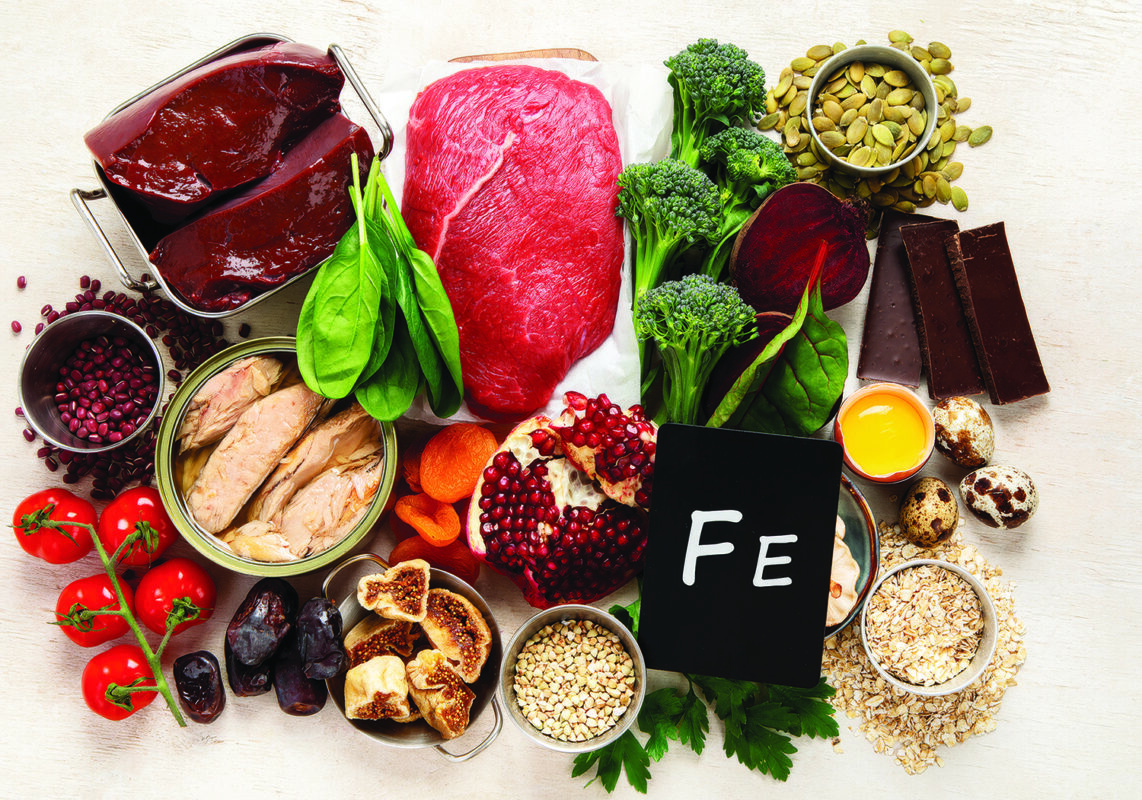
Iron deficiency is one of the most common nutrient deficiencies worldwide. It can affect energy, exercise tolerance, concentration, and overall well-being.
“Low iron could be a contributing factor to symptoms like fatigue, muscle aches, and weakness, but it may be overlooked because those symptoms overlap with other diseases,” says Cleveland Clinic dietitian Julia Zumpano, RD, LD.
Because symptoms can be subtle, low iron may go unnoticed until a blood test shows a problem. That’s why it’s important to include in your diet plenty of plant- and animal-based foods high in iron as well as foods that help with iron absorption. Just keep in mind that improving iron levels through the foods you eat often takes planning and consistency.
“To get your iron levels up from a nutrition standpoint, you really have to actively work at it,” Zumpano says. That means choosing iron-rich foods regularly, pairing them wisely, and knowing when diet alone may not be enough.
What Is Iron, and Why Does It Matter?
Iron helps your body make hemoglobin, the protein in red blood cells that carries oxygen from your lungs to the rest of your body. It also helps to make myoglobin, a protein that delivers oxygen to your muscles.
When iron is low, you may feel tired, weak, or short of breath. Low iron can also lead to iron-deficiency anemia, which means your body does not have enough healthy red blood cells to carry oxygen well.
“Think of iron as fuel for your red blood cells,” Zumpano says. “Low iron means your gas tank is pretty much empty, while anemia is like your truck can’t run.” Even before anemia develops, depleted iron stores can make daily activity feel harder than usual.
Heme Iron vs. Non-Heme Iron
There are two types of iron in food. “Heme iron is found in animal foods, like meat, poultry, and seafood. Non-heme iron is found in plant foods like beans, lentils, spinach, and almonds,” Zumpano explains.
The body absorbs heme iron more easily, so people who eat animal foods may be able to raise their iron intake more efficiently. Non-heme iron foods are still healthy and important, but your body absorbs less of this type of iron. That makes food pairings especially important for people who eat mostly or only plant-based foods.
Foods High in Iron
Zumpano recommends pairing iron-rich foods with food sources of vitamin C (which can improve iron absorption) regularly, ideally most days.
Heme iron foods include:
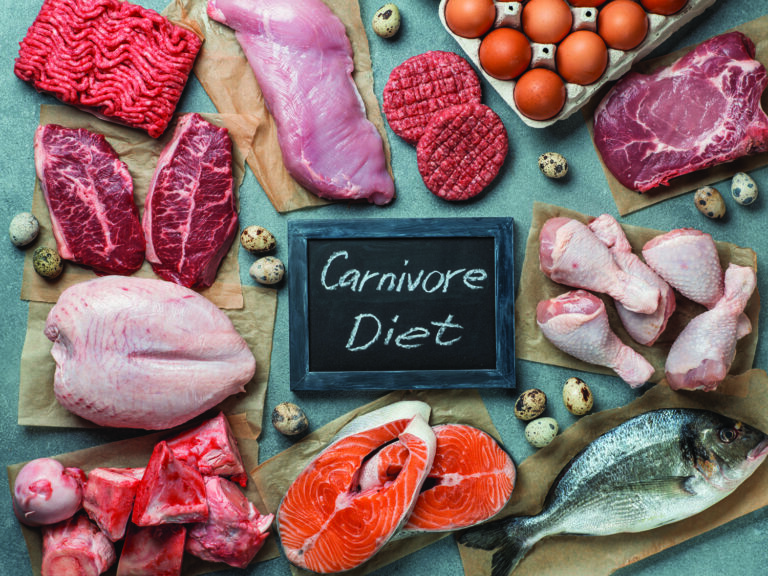
- Liver (beef, chicken, or pork)
- Oysters, clams, and mussels
- Sardines
- Beef
- Dark meat poultry, like chicken or turkey thighs
- Egg yolks
Non-heme iron foods include:
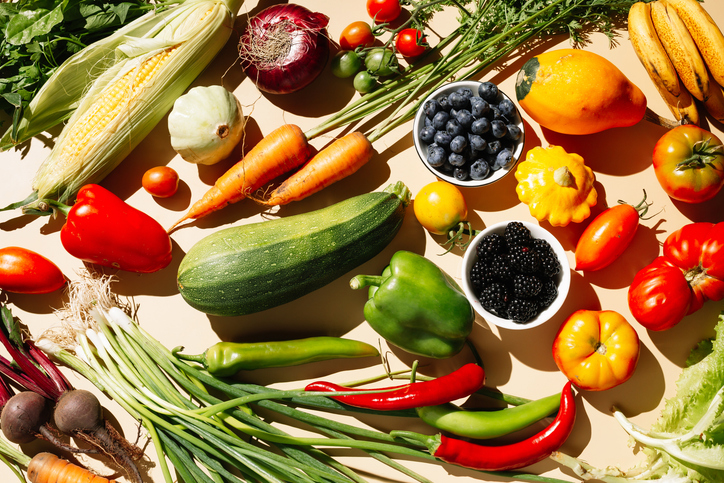
- Beans and lentils
- Tofu
- Dark leafy greens
- Quinoa
- Nuts and seeds
- Whole grains
- Dried fruit
- Dark chocolate
- Blackstrap molasses
- Iron-fortified cereals and breads
How to Help Your Body Absorb More Iron
What you eat with your foods high in iron matters because iron absorption can rise or fall depending on the rest of the meal. Some foods can increase iron absorption, while others will inhibit it. Consequently, the same iron-rich food may have a different nutritional payoff depending on whether it is eaten with a food that enhances or inhibits iron absorption. This is especially true for non-heme iron foods.
“Vitamin C can increase the absorption of iron, especially when you’re eating non-heme, plant-based sources,” Zumpano says. To help your body absorb more iron, pair iron-rich foods with citrus, peppers, strawberries, broccoli, or tomatoes—for example, a lentil soup with tomatoes, beans with salsa, or iron-fortified cereal with strawberries.
Some foods and drinks can make it harder for your body to absorb iron. For instance, “Avoid pairing iron with calcium, because calcium can inhibit absorption,” Zumpano says.
It’s better to save calcium-rich foods for a different meal when you’re trying to get the most out of iron-rich foods. Coffee and tea can also reduce iron absorption when consumed with meals. If you’re trying to raise your iron levels, drink these beverages between meals instead.
Who May Need More Iron?
“Vegans and vegetarians, anyone with a condition that affects iron absorption, and menstruating women are groups that may need to focus more on iron,” Zumpano says.
Iron is lost as a result of blood loss from menstruation, so people with heavy periods may have a harder time maintaining adequate iron stores. Pregnant women and growing children require more iron because building new blood volume and supporting growth are demanding.
Vegetarians and vegans may not absorb enough iron from the non-heme iron foods in their diet, particularly if they don’t plan their meals and include vitamin C-rich foods. Some gastrointestinal conditions like celiac disease and inflammatory bowel disease, as well as a history of bariatric surgery, may impede iron absorption. Frequent blood donation, recent surgery, or ongoing blood loss can also increase the risk.
“If someone is already eating iron-rich foods regularly and has low iron, then we look deeper: Is there bleeding? Heavy menstrual cycles? An absorption issue?” Zumpano explains.
Signs You May Not Be Getting Enough Iron
Symptoms of iron deficiency—tiredness, weakness, shortness of breath with exertion, dizziness, headaches, feeling cold, or trouble concentrating—can be easy to miss because they overlap with many other medical issues.
“Fatigue and weakness are two main symptoms of low iron, and they can often be construed as symptoms of rheumatoid arthritis or other conditions,” Zumpano says.
If symptoms continue or concern you, ask your healthcare provider about a blood test to check your iron levels and see if anemia is present. “First and foremost, get your iron level checked, and then you can properly treat based on the result,” Zumpano advises.
Do not start iron supplements on your own unless your provider recommends them. Too much iron can be harmful, and the right treatment depends on the cause and severity of the iron deficiency.