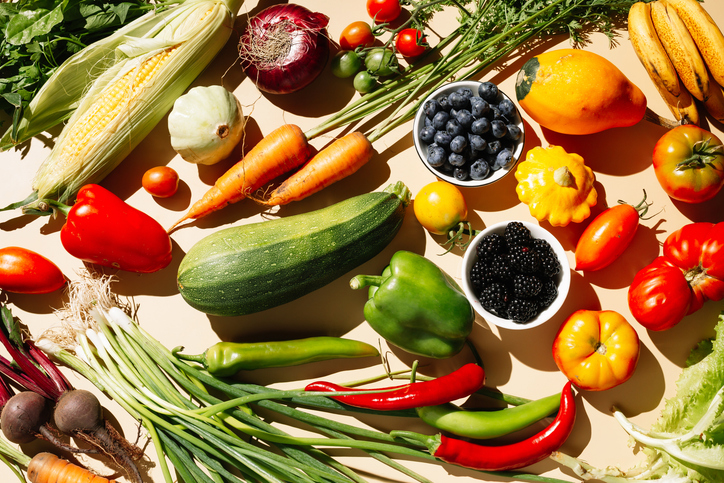
The term “processed foods” has an extremely negative connotation, and diets that contain a lot of processed foods are generally believed to be linked to poor health and an increased risk of chronic disease. It only stands to reason that unprocessed foods must be the healthier choice. But are they always?
Contrary to what you might have heard, the world of processed and unprocessed foods is far from being black and white, good versus bad. Food processing exists on a spectrum that ranges from completely unprocessed to ultraprocessed, and many of the foods that we eat fall somewhere in between.
What Are Unprocessed Foods?
Truly unprocessed foods are fresh from the farm and have been freshly harvested and washed before eating. Everything else at the supermarket or in your kitchen has been processed to some degree. Even chopping and packaging is considered a part of processing that takes place at a food plant.
“While it’s obvious that a whole piece of fruit, fresh salad greens, and eggs are unprocessed, distinctions about processed foods can be fuzzy,” says dietitian Elizabeth Ward MS, RDN.
Unprocessed vs. Processed and Ultra-Processed Foods
The processing spectrum makes terminology tricky. While very little foods found in the supermarket are unprocessed, there are plenty of minimally processed foods to choose from. Minimally processed foods may have been heated or canned, for example, for storage or safety, but they don’t contain added sugars, artificial colors or sweeteners, or preservatives.
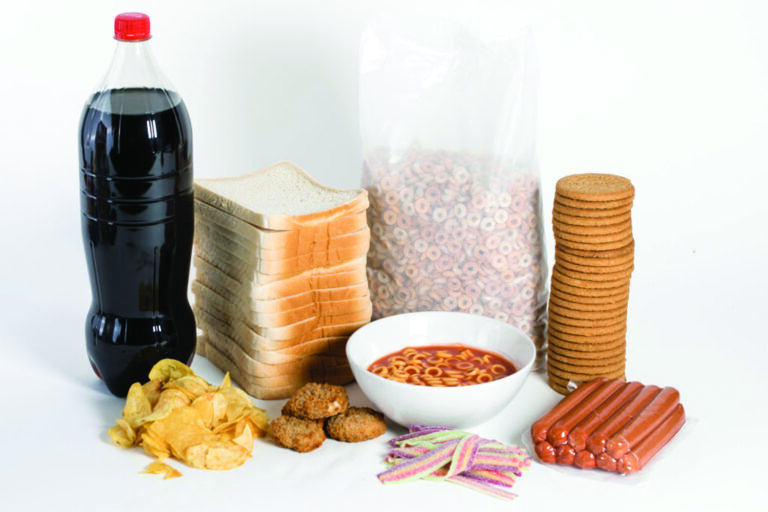
Usually when someone says “processed food” they’re referring to ultraprocessed food—food that doesn’t exist in nature and that has been formulated and manufactured using several ingredients and additives.
While not perfect, the NOVA classification system categorizes foods based on the degree to which they have been processed. The system was developed in Brazil in an effort to group foods according to the type, extent, and purpose of the industrial processing they undergo. The NOVA list is somewhat controversial because of overlap in the food categories, making clear distinctions difficult, especially when you’re walking down the supermarket aisles. Here’s a look at the categories:
Category 1: Unprocessed or minimally processed foods, such as whole foods, vegetables, fruit, fresh meat, and pasta. These foods have probably been washed, dried, frozen, crushed, ground, pasteurized, chilled, or roasted and vacuum-packed but they have no preservatives or artificial flavors or colors added.
Category 2: Culinary ingredients that have been processed, including oils, butter, sugar, salt, herbs, and spices. They are not eaten on their own, but are used only in cooking.
Category 3: Processed foods made by combining Category 1 and 2 foods through preservation, fermentation, or cooking. Examples include cheese, bread, canned tuna, fruits in syrup, and salted nuts.
Category 4: Ultraprocessed foods, which are not simply foods that have been modified in some way. Rather, they are formulations made from food components and contain additives that are typically not used in cooking but can be found on product labels, such as emulsifiers, hydrogenated or interesterified oils, hydrolyzed proteins, maltodextrin, dextrose, invert sugar, high-fructose syrup, synthetic colors, and artificial flavors. Chips, soda, instant soup, pastries, luncheon meats, bacon, pancake mixes, sugary breakfast cereals, ice cream, and mass-produced breads are but a few examples.
“It’s important to remember that many foods you might consider ‘whole’ or minimally processed have had some level of processing,” says dietitian Sharon Palmer, MSFS, RDN. She points to the example of nuts as a minimally processed food. They are harvested, sorted, graded, and (in some cases) pasteurized before they are packaged. That shifts the way to think about the term “processed foods.”
More examples of foods that are healthy but can be thought of as ultraprocessed foods include store-bought whole-grain crackers, brown rice, oatmeal, soy milk, nut milks, orange juice, some frozen prepared meals, and canned beans, to name a few. All offer good nutrition, despite undergoing some degree of processing.
Examples of Unprocessed Foods
“Nearly every food we eat is processed in some way,” Ward says, “but that’s not necessarily a negative.” The list of unprocessed and minimally processed foods is long, but not nearly as long as the list of ultraprocessed foods. When creating a shopping list of unprocessed or minimally processed foods, you can include the following:
- Any fresh fruit, from grapes to guava, bananas to blackberries, and beyond.
- Frozen fruit (no sugar added), including acai, apples, blueberries, blackberries, raspberries, cherries, peaches, strawberries, mango, and pineapple
- Canned fruit packed in water
- Any fresh vegetable, from carrots to cabbage, beets to broccoli, and more.
- Canned vegetables with little or no added salt
- Packaged salad
- Lentils, split peas, red beans, pinto beans, kidney beans, and navy beans
- Pasta, rice, plain couscous, and quinoa
- Eggs in the shell
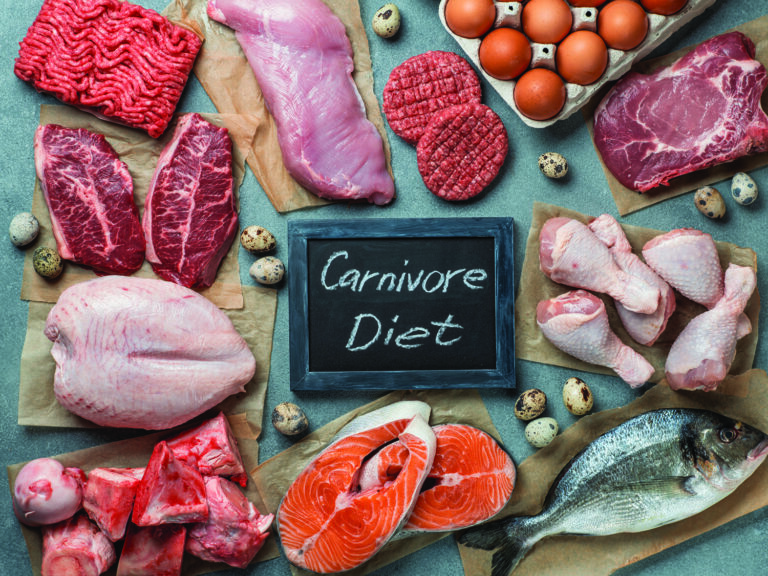
- Fresh beef, chicken, pork, and seafood
- Ingredients for fresh bread, biscuits, cornbread, and pancakes
- Minimally processed crackers, such as Triscuits (the only ingredients are whole wheat, canola oil, and sea salt), flaxseed crackers, herb crackers, and breads like flatbreads, pita, and baguettes
- Nuts in the shell—peanuts, pecans, walnuts, pistachios, and Brazil nuts
- Nuts—dry roasted (despite the name, some contain added oils—check the ingredient list for vegetable oil, canola oil, or peanut oil). If you want to avoid added oils, stick with nuts in the shell.
- Herbs and spices
Health Benefits of Unprocessed Foods
Plenty of well-controlled studies and review papers from several countries demonstrate that diets low in unprocessed and minimally processed foods and high in ultraprocessed foods are linked to an increased risk of several diseases and conditions, including obesity, type 2 diabetes, high blood pressure, high cholesterol, cardiovascular disease, several cancers (including breast, ovarian, and brain), liver cirrhosis, Crohn’s disease, kidney failure, dementia, and premature death.
In fact, Palmer says, 32 health conditions have been linked to eating a diet high in ultraprocessed foods. Unfortunately, among people in the United States, 60% of calories come from ultraprocessed foods.
“It’s important to keep in mind that the strongest associations with poor health outcomes are linked to ready-to-eat meat, poultry, and seafood products, sugar-sweetened and artificially sweetened drinks, dairy-based desserts, and ultraprocessed breakfast foods,” Palmer says. Even taking all this into consideration, it’s important not to view all processed foods as bad.
Potential Drawbacks and Considerations
Though the potential health benefits of preparing meals from scratch using only minimally processed ingredients are huge, time constraints often make that difficult, if not impossible. Most people are pressed for time between work and family and are looking for quick and easy meals.
Ultraprocessed foods are often the path of least resistance. They can be portable, may not require refrigeration, and can be eaten while driving, walking, or working. Cost is another possible obstacle to creating a diet that contains mostly minimally processed foods. Fresh fruits and vegetables and fresh meat can be pricey, and they have a short shelf life. Conversely, ultraprocessed foods are often less expensive and typically contain preservatives, which means they last longer before they need to be thrown away and bought again. However, many minimally processed foods can make your life easier, while still allowing you to eat healthfully.
How to Add More Unprocessed Foods to Your Diet
The production and consumption of ultraprocessed foods is on the rise, making it increasingly important to be familiar with ways to include more unprocessed or minimally processed foods in your diet. Knowing how to identify unprocessed foods, minimally processed foods, and foods that might be ultraprocessed but are still healthy choices is key to creating a diet that has the potential to reduce your risk of a wide variety of conditions and diseases.
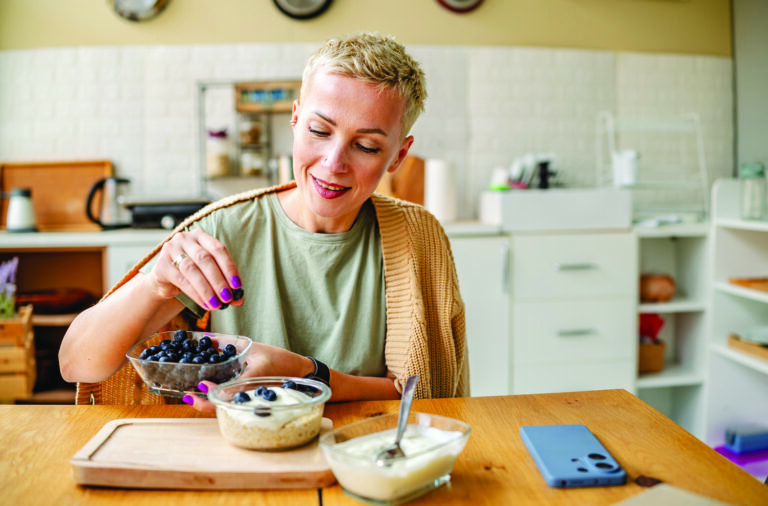
Plant-based diets tend to be high in unprocessed and minimally processed foods, and rich in fiber, antioxidants, and phytochemicals (naturally occurring plant compounds that have disease-preventing properties). Following a vegetarian or vegan diet is one way to steer away from ultraprocessed foods to a more nutritious diet, rich in less processed foods.
“I wish that we would focus less on the level of processing and more on nutrition content,” Ward says. “Taking this view would limit the intake of foods with added sugar, saturated fat, and sodium.”
“My bottom-line advice, Palmer adds, “is to include as many minimally processed foods as you can in your own eating style, being mindful of cultural traditions, what works in your lifestyle, and what’s affordable and accessible.”
Your local supermarket probably offers more unprocessed and minimally processed foods than you think. Shopping at a local farmers’ market is a great way to access unprocessed fruits and vegetables and minimally processed foods, ranging from breads and cheeses to nut butters and fruit jams. Another option is to join a food co-op. They typically provide each member with regular orders of unprocessed or minimally processed—sometimes organic—foods.