The heat is here, and many of us are breaking out the grill to share a cookout with family and friends. But before the burgers hit the grates, here’s a question worth asking: when was the last time you cleaned your grill?
The truth is, most grills don’t get cleaned as often as they should. A dirty grill doesn’t just affect flavor and cooking evenness—it can be a genuine health and fire hazard. Caroline Blazovsky, Healthy Home Expert and CEO of My Healthy Home, breaks down the best way to clean a grill.
Why Cleaning Your Grill Matters
From food safety and health concerns to attracting pests and even fire hazards, cleaning your grill is a task you shouldn’t put off.
If you’ve neglected to clean your grill, it can put your health at risk. “I am all about a healthy home,” says Blazovsky. “A clean grill helps to remove carcinogens that can build up.”
Every grilling session leaves behind fat and juices that drip, burn, and build up layers of grease and carbon. Over time, that buildup becomes more than just grime. “Charred buildup undergoes chemical changes under high heat, absorbing carbon dioxide and forming cancer-causing compounds like polycyclic aromatic hydrocarbons (PAH’s),” Blazovsky explains.
When neglected, those toxic substances can flake off or vaporize while grilling, transferring directly onto the food. Plus, uneven cooking from a dirty grill can lead to food poisoning as well.
It’s also a myth that a grill’s heat sterilizes itself between uses, explains Blazovsky. “Leftover meat particles and decaying fat and grease create a yummy environment for microbes to grow, especially Salmonella, E. coli, and mold.”
An unclean grill can also attract unwanted visitors. “Mice, rats, and squirrels are drawn to the scent of stagnant grease and trapped food scraps,” says Blazovsky. “These animals can build nests in the lower belly of the grill where they leave behind highly toxic urine, feces, and parasites.”
Most importantly, a clean grill is a safe grill. Heavy buildup can cause flare-ups or grease fires, endangering you, your home, and those around you, warns Blazovsky. According to the National Fire Protection Association (NFPA), an unclean grill caused 20% of fires between 2020 and 2024.
How Often Should You Clean Your Grill?
Blazovsky recommends cleaning your grill after every use—but not every session requires a full scrub down. Here’s a simple schedule to follow:
| After every use… | Every 2-3 sessions… | Every 5-6 sessions… |
| Clean your grates. | Scoop out or wipe up debris at the bottom. | Deep clean the entire grill—burners, burner tube, gas burner ports, and other grill parts. |
What You’ll Need: Essential Tools and Supplies
Blazovsky shared a few must-have supplies to have on hand for cleaning your grill:
- Bristle-free scrapers and brushes, especially any options by Scrub Daddy
- Non-toxic natural spray-on degreaser, such as ATTITUDE All-Purpose Citrus-Zest Cleaner
- Plant- or vegetable-based dish soap
- Sponge with abrasive surfaces
- Rubber scraper
Step-by-Step Guide: How to Deep Clean a Grill
1. Cleaning set-up
Whether you have a charcoal, electric, or gas grill, the easiest way to clean it is when it’s still warm.
- Start by preheating the grill for 10 to 15 minutes to burn off any food residue. “A warm grill prevents carbon and grease from fusing to the metal,” says Blazovsky.
- Then turn it off—disconnect the propane tank for gas grills or unplug electric grills from the outlet.
- Next, remove the grates, flavorizer bars, and heat shields. For charcoal grills, let the grill cool fully, then dump ashes into a metal container.
2. Cleaning the Grill Grates
Scrub both cast iron and stainless-steel grates with a plant-based citrus soap and a bristle-free brush, Blazovsky advises.
For porcelain grates, swap to a soft-bristle brush—abrasive tools can chip the coating. If there’s heavy buildup, soak your grates in warm, soapy water for 15 to 30 minutes before scrubbing.
3. Cleaning the Interior and Components
Once the grates are removed, clean the interior of the grill and any removable components. The exact steps depend on your grill type.
| Gas grills |
|
| Charcoal grills |
|
| Electric grills |
|
| All grill types |
|
4. Cleaning the Grill Exterior
Once the interior is clean, wipe down all exterior surfaces. “Use warm, soapy water to cut through grease,” explains Blazovsky. Dry all parts of the grill thoroughly before reassembling.
Deep Cleaning Methods for Stubborn Grime
Deep cleaning a neglected grill takes elbow grease. “If you let it build up, prepare for scrubbing,” Blazovsky says.
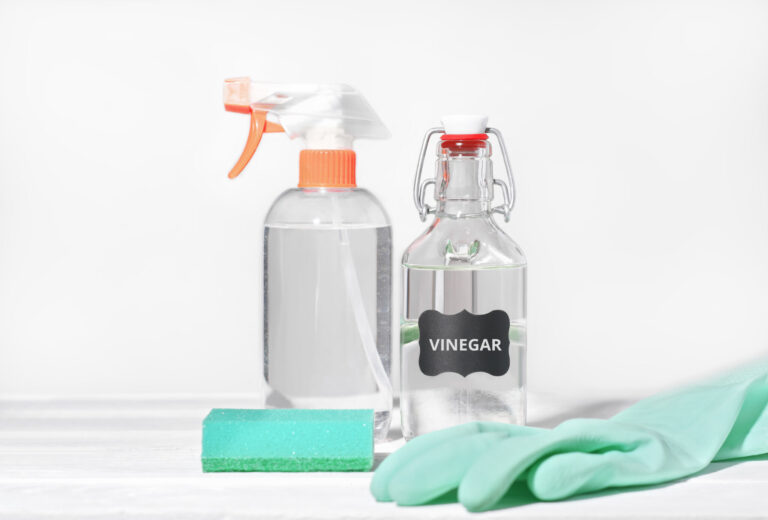
For stubborn grime, cleaning the grill with baking soda and vinegar solution can help. Use two cups or vinegar to one cup of baking soda in a plastic tub or bin, adding more as needed to submerge the grates. “Always ask manufacturers or check manuals before soaking grates,” Blazovsky advises—some materials aren’t suited for this method.
A word of caution: Blazovsky generally doesn’t recommend vinegar as an all-purpose grill cleaner, as it can strip enamel surfaces. Reserve this method for the grates specifically, and only after confirming it’s safe for your grill type.
Grill Maintenance Tips for Lasting Performance
Regular cleaning is the best defense against stubborn buildup—and a few simple habits can keep your grill performing well between deep cleans. Blazovsky recommends:
- Checking gas grill port holes regularly for blockages or debris
- Inspecting the burner tube and port holes for insects, which can nest there during storage
- Watching for orange or yellow flames—in gas or charcoal grills, these indicate the burner needs cleaning
- Using a grill cover to protect against outside pollutants and weather
Common Mistakes to Avoid
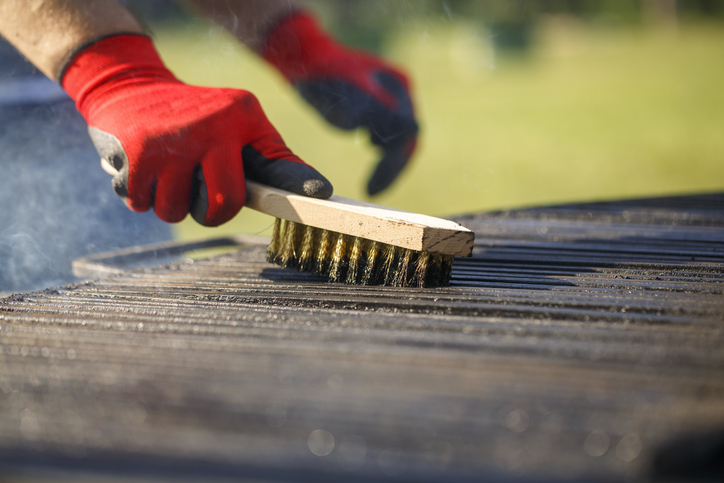
Mistake #1: Using a wire-bristle brush. The Centers for Disease Control and Prevention (CDC) has documented injuries linked to wire-bristle grill brushes—loose bristles can be left on grates and accidentally ingested.
Blazovsky has seen the consequences firsthand. “I was in the ER once, and a child was there too who had accidentally swallowed a metal off the bristle brush that got lodged in his throat while eating a hamburger,” she says. “It got left on the burner while cleaning.” Instead, use bristle-free scrapers and brushes.
Mistake #2: Using harsh or toxic cleaners. “Avoid oven cleaner and use nontoxic soap for safe cleaning products.” She likes ATTITUDE’s All-Purpose Cleaner. “This brand holds EWG Verified status…and is 94% plant-based and safe to wipe down outdoor appliances and grills.”