Parasite cleanses have become one of the latest wellness trends promoted across social media, podcasts, and online supplement stores. These cleanses are often marketed as a way to “reset” the body, improve digestion, boost energy, reduce bloating, clear skin, or eliminate mysterious symptoms like fatigue and brain fog. Some wellness influencers even suggest that many people unknowingly carry parasites and should routinely cleanse to improve their health.
The idea can sound convincing. After all, parasites are real organisms that can infect humans and cause illness. But despite the growing popularity of parasite cleanses, many of the claims surrounding them are not supported by strong scientific evidence.
“In most healthy people living in developed countries, parasitic infections are relatively uncommon, and there is little evidence that over-the-counter cleanse programs are effective,” explains registered dietitian Kristen Smith, PhD, RDN, LD.
What Is a Parasite Cleanse?
A parasite cleanse is typically a short-term wellness protocol designed supposedly to remove parasites from the body—usually from the digestive tract. These cleanses often combine herbal supplements, restrictive diets, fasting approaches, detox drinks, or large amounts of fiber.
Parasite cleanse ingredients typically include herbs and compounds such as:
- Wormwood
- Black walnut hull
- Clove
- Garlic
- Oregano oil
- Berberine
- Neem
- Papaya seed
- Pumpkin seed
These ingredients are commonly promoted for their antimicrobial or antiparasitic properties. Some cleanse programs also encourage avoiding sugar, processed foods, alcohol, dairy, gluten, or refined carbohydrates, with the claim that doing so will “starve” parasites and make the body less hospitable to them, Smith says.
Certain protocols also may recommend laxatives, colon cleanses, or detox teas intended to increase bowel movements. Advocates sometimes interpret mucus, undigested food particles, or intestinal debris in the stool as evidence that parasites are leaving the body—even when no confirmed infection exists.
While these approaches are widely promoted online, it’s important to separate wellness marketing from evidence-based medicine, Smith advises. Parasite cleanses are often marketed as part of the broader detox and cleansing movement. Many programs claim to “remove toxins,” “purify the gut,” or “cleanse the body.”
However, scientific reviews of detox diets and cleansing regimens consistently show little evidence that these approaches improve toxin removal or long-term health outcomes in healthy individuals.
“The body already has highly sophisticated detoxification systems, including the liver, kidneys, lungs, gastrointestinal tract, and skin,” Smith says. “These organs continuously process and eliminate waste products naturally. In most cases, the body does not need special supplements or restrictive cleanses to ‘detox.’”
Some people may feel temporarily better during a cleanse, but this feeling may result from unrelated changes such as:
- Eating fewer ultraprocessed foods
- Reducing alcohol intake
- Increasing water consumption
- Eating more fiber-rich foods
- Paying closer attention to health habits overall
Those benefits do not necessarily mean parasites were present or eliminated.
Do You Really Need a Parasite Cleanse?
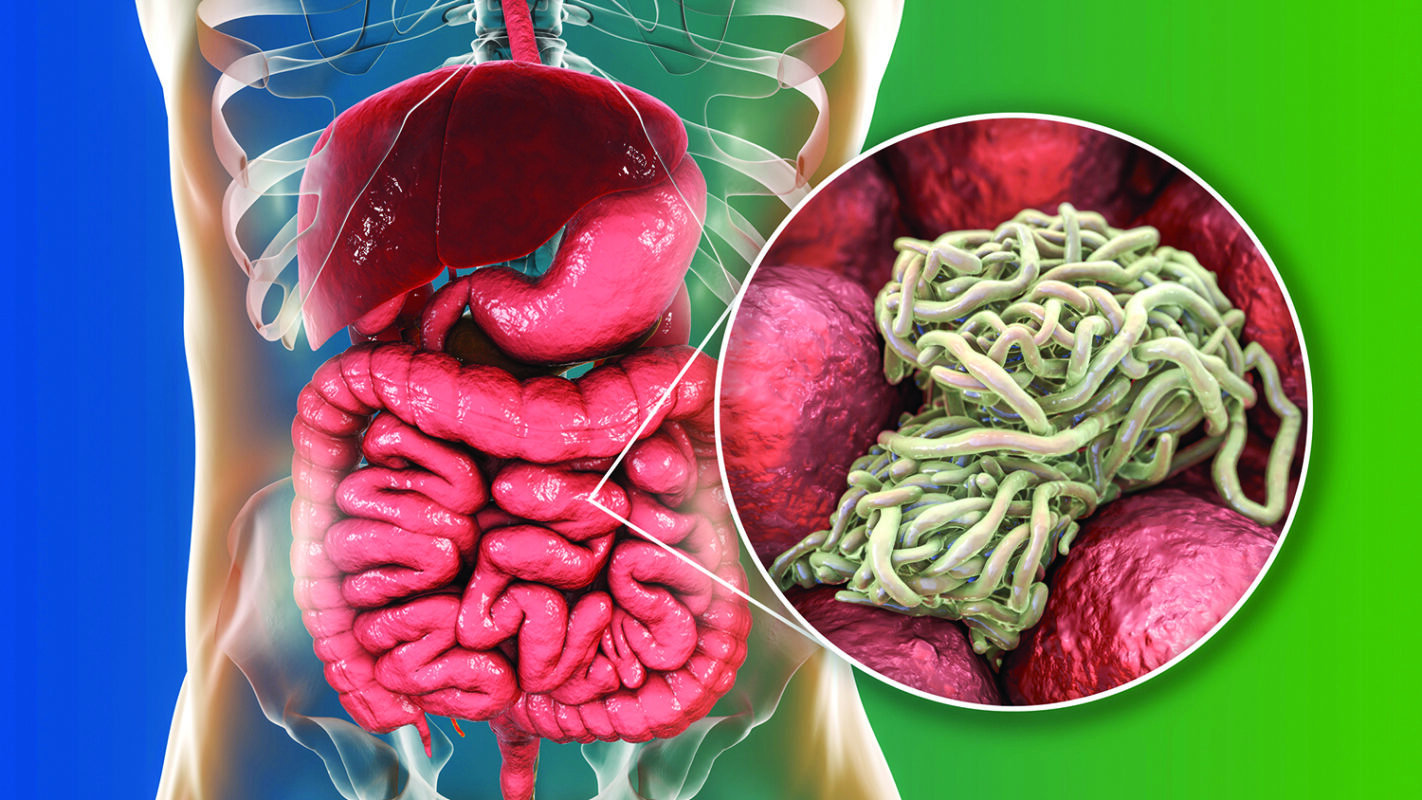
Parasites are organisms that live in or on another organism, known as the host, and rely on the host for survival. In humans, parasites can include microscopic organisms as well as worms.
Common human parasites include:
- Protozoa, such as Giardia
- Helminths, or parasitic worms, such as pinworms, tapeworms, and roundworms
- Ectoparasites, such as lice or scabies mites that live on the skin
Parasitic infections can occur through contaminated food or water, poor sanitation, undercooked meat, insect bites, or exposure to infected individuals or animals.
In some parts of the world, parasitic infections remain a major public health concern. However, in the United States and many other developed countries, they are far less common due to water purification and clean drinking water, as well as modern sewage systems, heightened food safety standards, refrigeration, better handwashing and hygiene practices, and routine medical care
That doesn’t mean parasitic infections never occur. They certainly can, especially if you have one or more of these risk factors:
- Recent international travel
- Drinking untreated water
- Camping or backpacking exposure
- Eating undercooked meat or seafood
- Persistent diarrhea
- Unexplained gastrointestinal symptoms
- Significant unexplained weight loss
- Exposure to infected individuals
- Living in or traveling to areas with poor sanitation
But, Smith notes, the widespread idea that most people are unknowingly carrying parasites is not supported by current medical evidence.
Symptoms of Parasite Infection
One reason parasite cleanses have become popular is that the symptoms they claim to address are extremely common and nonspecific. They include:
- Persistent diarrhea
- Abdominal pain
- Nausea
- Bloating
- Excess gas
- Unexplained weight loss
- Fatigue
- Loss of appetite
- Nutrient deficiencies
- Itching around the rectum (common with pinworms)
However, these same symptoms can also result from many other causes, including:
- Irritable bowel syndrome (IBS)
- Food intolerances
- Stress and anxiety
- Viral infections
- Poor sleep
- Hormonal changes
- Dehydration
- Medication side effects
- Other gastrointestinal disorders
“This overlap is important because it means symptoms alone cannot be used to diagnose a parasite,” Smith says. “Proper medical testing is needed to determine whether an infection is actually present.”
So, you may want to consult a health-care provider if you experience symptoms along with risk factors for parasitic infection (mentioned earlier).
Do Parasite Cleanses Work?
Though very little high-quality scientific evidence shows that over-the-counter parasite cleanses effectively eliminate parasites in humans, some herbs used in these products have demonstrated antiparasitic activity in laboratory or animal studies. For example, compounds in garlic, oregano oil, or wormwood may affect certain microorganisms under controlled experimental conditions.
But findings from test tubes or animal models do not automatically translate into proven benefits in humans, Smith says. Moreover, human clinical trials on commercial parasite cleanses are extremely limited. Most products have not undergone the type of rigorous testing required for prescription medications.
Are Parasite Cleanses Safe?
Just because a product is labeled “natural” does not automatically mean it’s harmless, Smith cautions. Parasite cleanses can carry risks, especially when used excessively or without medical supervision. Potential parasite cleanse side effects include:
- Nausea
- Vomiting
- Diarrhea
- Abdominal cramping
- Dehydration
- Electrolyte imbalances
- Dizziness
- Liver irritation
Moreover, some herbs can interact with medications, including blood thinners, diabetes medications, blood pressure drugs, or antidepressants. Groups who should avoid parasite cleanses or use extreme caution include:
- Pregnant or breastfeeding women
- Children
- Older adults
- Individuals with liver or kidney disease or other chronic medical conditions
- Anyone taking multiple medications
Another concern is delayed diagnosis: “Self-treating symptoms with a cleanse may postpone appropriate medical care for conditions that require real evaluation and treatment,” Smith says.
How Are Parasitic Infections Diagnosed and Treated?
Health-care providers can perform diagnostic testing that may include stool sample testing, blood work, imaging studies, and, in certain cases, an endoscopic exam. If a parasite is identified, treatment can then be tailored to the specific organism involved.
Medical experts generally emphasize that confirmed parasitic infections should be treated using targeted prescription drugs that have been carefully studied for safety and effectiveness. Examples include medications such as albendazole, metronidazole, or praziquantel, depending on the specific parasite involved.
These medications are designed to target particular organisms. “In contrast, parasite cleanses tend to use broad, nonspecific approaches without clear evidence that they work,” Smith says.
Safer Alternatives and Prevention Tips
Parasite cleanses are best viewed as a wellness trend rather than an evidence-based medical strategy. While parasites are real and can cause illness, most healthy individuals in developed countries are unlikely to have hidden parasitic infections.
More importantly, there is no strong scientific evidence showing that over-the-counter parasite cleanses effectively eliminate parasites in humans. Many of the claims surrounding these products are based more on marketing than on rigorous clinical research.
If you have symptoms that concern you—especially after travel, contaminated food or water exposure, or ongoing digestive problems—the safest approach is to seek a medical evaluation rather than self-diagnosing and using a parasite cleanse, Smith recommends.
For overall wellness, these proven habits remain far more important than detox programs or trendy supplements:
- Practicing good hygiene
- Washing hands regularly
- Drinking safe water
- Cooking food thoroughly
- Eating a balanced diet
- Staying physically active
- Getting regular medical care
“These practices offer far more evidence-based support for long-term health than any parasite cleanse on the market,” Smith says.