How do you know if you have good credit? “The answer depends partly on which credit-scoring model is being used,” says John Ulzheimer, president of the Ulzheimer Group, which focuses on credit reporting, credit scoring, and identity theft.
“Lenders are the ultimate arbiter of what is a good credit score. But for FICO’s credit scores, 714 is the national average, so anything at or above that number is good. Under the VantageScore credit score, 702 is the average, so anything at or above that number is good.”
We asked Ulzheimer to explain credit score ranges and offer tips on how to improve credit scores.
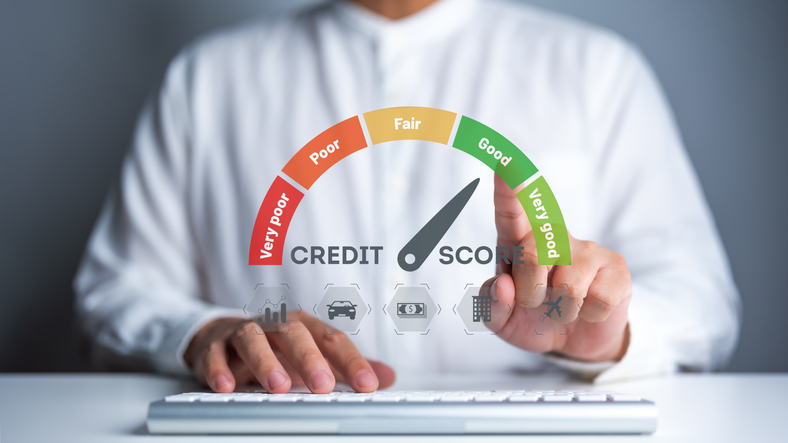
Credit Score Ranges Explained
“Lenders use your credit score to determine the odds of how likely you are to repay borrowed money in a timely manner,” says Ulzheimer. The data used to calculate your scores comes from your credit reports, which are records of your payment history.
Both FICO and VantageScore use a scale from 300 to 850, but they work differently, so the results may differ even when scoring the same credit-report data.
In terms of what is a good FICO score, 670 or higher is a useful benchmark despite being below the national average. For VantageScore, the good credit score range generally starts at 661.
For FICO, the commonly used ranges are:
- Poor credit score: 300-579
- Fair credit score: 580-669
- Good credit score: 670-739
- Very good credit score: 740-799
- Excellent credit score: 800-850
For VantageScore, the ranges are:
- Very poor: 300-600
- Poor: 601-660
- Good: 661-780
- Excellent: 781-850
Notice that 700 falls under “Good” under both systems, but 650 is considered “Fair” under FICO and “Poor” under VantageScore.
“When you check your own credit, you might not be seeing exactly the same score a lender will see,” says Ulzheimer. That’s because they may use different models or pull their numbers from different data.
What are the implications of falling into one or another of these categories?
Poor credit score
This suggests higher risk for lenders. You might not qualify for certain products. Even if you get a loan, lenders may hedge against your default by assigning a higher interest rate, offering a lower credit limit, or otherwise giving you less favorable terms.
Fair credit score
You’ll likely qualify for more forms of credit, but the rates and terms will be less desirable than if you were in a higher category.
Good credit score
You’ve achieved a history of reasonably responsible borrowing. You’ll have more options and receive better offers.
Very good credit score
You represent a relatively low level of credit risk to lenders.
Excellent credit score
The highest category under both FICO and VantageScore. Now it’s much easier to qualify for competitive credit offers, but approval and the lowest rates still aren’t guaranteed.
What Factors Affect Your Credit Score?
Payment history
Out of all the credit score factors, this is the most important, accounting for about 35% of a FICO score. If your history contains late payments, collections, and other serious negative information, your score will suffer.
Credit utilization
This refers to the percentage of available credit you’re currently using on your credit cards. “For example,” Ulzheimer says, “if you have a total credit-card limit of $10,000 and your current balance owed is $3,000, your credit or “revolving” utilization is 30%.”
It’s usually best to have a lower utilization ratio, so pay down your credit cards. “You don’t have to carry a balance in order to build credit,” says Ulzheimer. “That is a stubborn myth. By paying in full every month, you avoid interest while building a solid credit history.”
Length of credit history
Having a longer track record of responsible credit use can help your score. Note that closing an old account may have a negative impact because it shortens the credit history that factors into your score.
New credit
If you open several new accounts in a short period—even if you pay on them religiously—that activity will have resulted in multiple hard inquiries into your credit, which negatively impacts your score. New credit also reduces the average age of your accounts, which temporarily works against you.
Credit mix
This is the combination of various types of debt you have. Generally, someone with a proven history of paying back credit cards, mortgages, and car loans will look like a stronger bet than someone with only one type of credit in their history.
“But that doesn’t mean you should take out unnecessary debt just to achieve a more diverse credit mix,” Ulzheimer warns. “That generally happens organically over time.”
Why a Good Credit Score Matters
Any time you apply for credit in the form of a mortgage, car loan, personal loan, or credit card, the lender will pull up your credit score. If you’re toward the higher end of the range, you’ll be much more likely to receive approval.
Your score can also influence the interest rates and terms you’re offered. Generally, borrowers with stronger credit histories are perceived as representing less risk and are thus offered lower interest rates, higher credit limits, and more favorable lending terms.
“All of that matters,” Ulzheimer says. “Over the life of a loan, you could end up paying thousands of dollars more if you have poor credit and thus high interest and poor terms.” That’s why it’s wise to establish good credit now even if you’re not planning on borrowing immediately.
Your credit score can even play a role in renting, insurance, and other financial decisions. Some landlords look at credit scores when they’re considering prospective tenants, and some insurers and other businesses use credit-based information in certain circumstances (although rules and practices vary across states, industries, and companies).
Note, however, that a high score isn’t necessarily synonymous with financial well-being. “Just because you have excellent credit doesn’t mean you can afford to take on new debt,” Ulzheimer says. “And someone with a lower score might still make good decisions because they’ve learned that having poor credit is expensive.”
How to Improve Your Credit Score
Learning how to improve credit score numbers is mostly a matter of developing consistent credit habits rather than looking for a quick fix.
Pay bills on time
Given the outsized importance of payment history in FICO scoring, one of the most effective things you can do is avoid missing payments. One way to do this is to use automatic payments and account reminders so that you don’t accidentally let an account go unpaid.
Lower credit card balances
Paying down your credit card debt will lower your credit utilization percentage and give your score a nudge. You don’t have to carry a balance from month to month in order to build your credit.
Avoid too many new applications
Remember that hard inquiries into your credit can affect your score, and that as you add new credit to your profile, the average age of your accounts will decrease.
Check credit reports for errors
“Make sure you review your credit reports periodically,” Ulzheimer says. “You’re looking for any accounts you don’t recognize, any balances that don’t look right, any inaccuracies about your payment history, and any other mistakes.”
You can check your credit reports once a week if you like, at no cost, from AnnualCreditReport.com. If you do find an error, open a dispute with the appropriate credit-reporting company.