You’ve probably heard many times that memory changes with age, and you’ve no doubt had moments of forgetfulness or confusion that drive the point home. But recognizing the difference between normal age-related memory loss and early signs of cognitive decline or dementia isn’t always easy. And our natural anxiety about Alzheimer’s disease (AD) and other dementias can make even the slightest memory lapses seem concerning.
So, what is normal age-related memory loss?
Bonnie Wong, PhD, of Mass General Brigham’s Frontotemporal Disorders Unit, points out some helpful ways to spot examples of normal memory loss with aging and those that should prompt an evaluation by a medical professional.
Understand that in many cases, age-related memory loss refers to information that is simply harder to recall, she says. “The hallmark is that the information usually isn’t gone,” Dr. Wong notes. “It just may be slower to retrieve, and a cue or a little time brings it back.”
With more serious cognitive decline, some memories can truly seem lost and new information can become much more difficult to absorb.
What Is Normal Age-Related Memory Loss?
In simplest terms, normal memory loss with aging refers to the kinds of thinking-skills changes that are common among most older adults and not the result of neurodegenerative diseases, such as AD or Parkinson’s disease. These changes include frustrating things like forgetting a relative’s birthday or having trouble learning new technology. The are usually not changes that affect independence or the ability to carry out everyday functions and responsibilities.
“On average, some changes are very common, especially slower processing speed and more difficulty dividing attention,” Dr. Wong says. “Vocabulary, general knowledge, and ‘wisdom-based’ skills typically stay stable or even improve.”
Yes, forgetfulness in older adults is very common, and the degree of memory changes can vary greatly from one person to another, even if they’re the same age. Dr. Wong and some of her colleagues are studying the thinking skills of so-called “superagers” to better understand how some people in their 60s and beyond perform memory tests as well as people who are decades younger. “Getting older makes changes more likely, but it doesn’t guarantee them for any one person,” she says.
Common Signs of Normal Memory Loss as You Age
So, what constitutes normal memory loss with aging? Many such examples will seem familiar. They include:
- Occasionally misplacing common items like keys and eyeglasses
- Forgetting names or appointments, frequently recalling them later
- Taking longer to learn new information
- Walking into a room only to forget why
- Finding it hard to multitask or easily switch from one task to another
- Having difficulty following a conversation in a noisy location
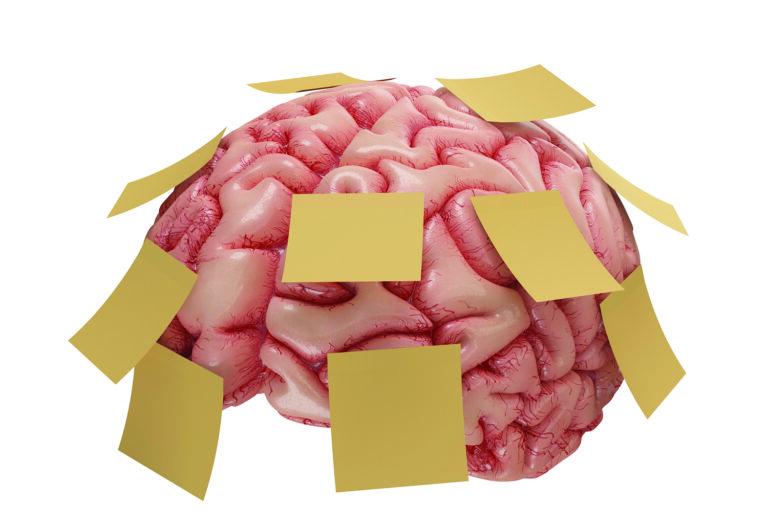
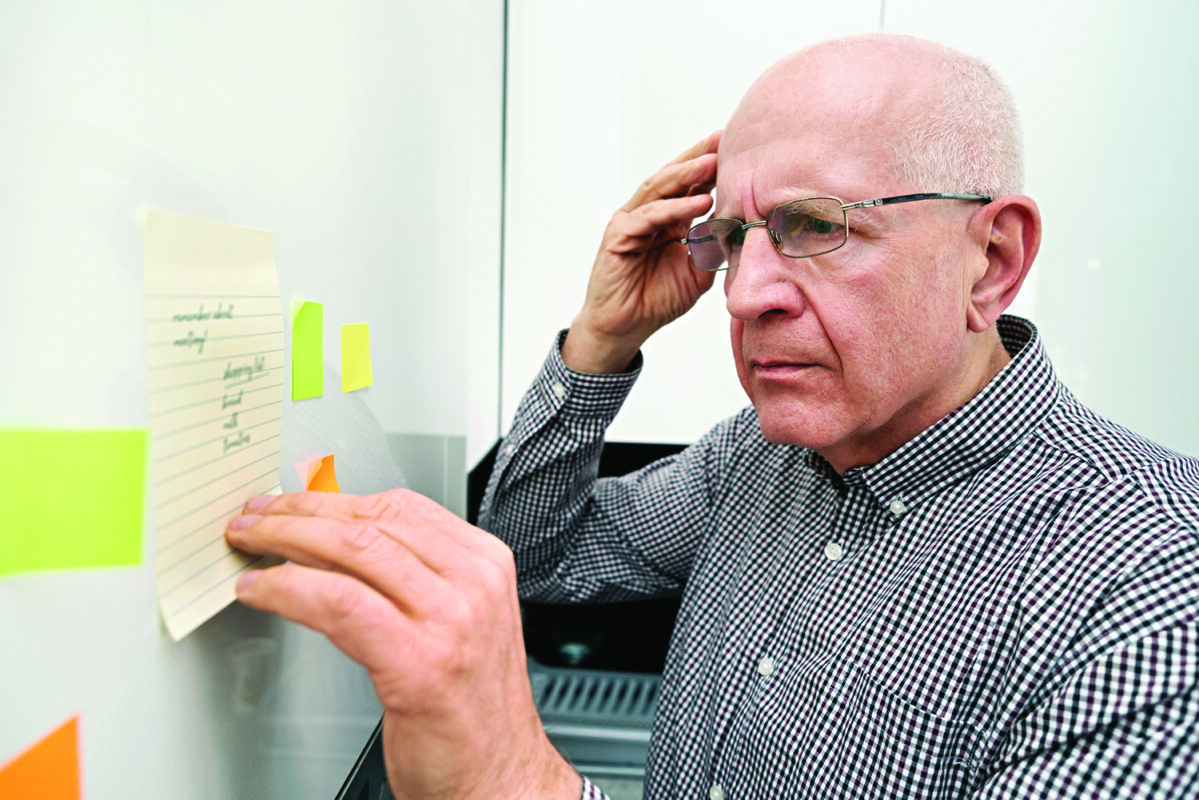
- Relying more frequently on notes and reminders
What Causes Memory Changes with Age?
Normal memory loss with aging is largely due to physical changes in the brain. For example, the hippocampus, which helps form and store memories, gets smaller as people get older. Advancing age is often accompanied by fewer or less-efficient connections between brain cells. Lower levels of certain brain chemicals and reduced blood flow to the brain also can affect memory, processing speed, and other thinking skills.
Other factors also can contribute to memory changes with age. Poor sleep can interfere with the brain’s ability to consolidate and store memories. Diminished ability to manage stress and anxiety can lead to higher cortisol levels, which in turn make it harder to focus and recall detailed memories.
The brain’s ability to store and recall memories can also suffer when older adults don’t get as much socialization and mental stimulation as they did when they were younger. If you think of memory as a muscle, it needs regular workouts to remain strong and healthy.
What’s the Difference Between Normal Forgetfulness and Dementia?
In sorting out normal age-related memory loss vs dementia, Dr. Wong says the key question to ask is whether memory or other thinking changes affect your everyday independence.
“With normal aging, lapses are occasional, don’t worsen noticeably over time, and don’t interfere with managing your life,” she explains. “Mild cognitive impairment (MCI) means a decline that you or others have noticed and that shows up on testing as below what’s expected for your age and education. You still function independently, though some tasks, like managing bills or medications, may take more effort.”
Dr. Wong adds that some people with MCI progress to dementia, while some stay stable and others improve, particularly when a treatable cause is found. “Dementia means the changes are significant enough to interfere with independence in daily life, such as handling finances, preparing a complex meal, managing medications, or finding your way in familiar places,” she explains.
When Should You Worry About Memory Loss?
Often the differences between normal age-related memory loss and concerning cognitive changes are subtle. And the onset of MCI can be gradual.
Dr. Wong suggests that when memory lapses or problems with attention and processing become more frequent and more obvious to you or your loved ones, it may be time to take them seriously. She offers a few examples of contrasts between normal memory changes and those that may be red flags.
“Forgetting an acquaintance’s name is common; forgetting that an in-depth conversation with a family member happened at all is not,” she says. “Pausing to find a word is common; losing track of what words mean, or repeating the same question within minutes, is not.”
Knowing when to worry about memory loss isn’t always obvious, because a number of lifestyle choices and treatable health conditions can affect thinking skills. So don’t automatically assume that increasing moments of confusion or recent-onset struggles with memory are sure signs of MCI or dementia.
How to Support Memory and Brain Health as You Age
Counteracting normal forgetfulness as you age involves some common-sense behaviors that support your overall physical and mental health. “The strongest evidence points to a handful of habits,” Dr. Wong says.
Among them are regular physical activity, including aerobic and strength-training activities, and consistent control of vascular risk factors, such as blood pressure, diabetes, and cholesterol. “What’s good for the heart is good for the brain,” Dr. Wong notes.
She also emphasizes the importance of an often-overlooked aspect of health: getting enough good-quality sleep. Sleep is when the brain consolidates memories from the day’s experiences and moves them into longer-term “storage.” A poor night’s sleep makes new information harder to learn and hold onto. Dr. Wong also explains that sleep may also help the brain clear waste.
Some habits that support good-quality sleep include:
- A consistent bedtime and wake time
- Getting enough daylight exposure and exercise during the day
- Limiting caffeine after midday and alcohol in the evening
- Keeping the bedroom cool, dark, and quiet
Dr. Wong adds that treating conditions that affect sleep, such as sleep apnea and insomnia, can lead to improvements in attention and memory.
Another important consideration for healthier brain function is staying socially and mentally stimulated, especially in activities that are genuinely challenging and engaging. “Social isolation and loneliness are recognized risk factors for dementia and also raise the risk for depression, poor sleep, and inactivity, which can harm brain functioning,” Dr. Wong says. “Socialization and conversation can be a demanding brain ‘workout,’ and regular social contact exercises these skills in a way that solitary activities do not.”
She explains that mental engagement matters, too. “Activities that involve novelty and effort, such as learning a language or instrument, taking a class, and picking up a new hobby, may help build cognitive ‘reserve,’ which may buffer the brain against age-related changes.”
Being proactive about your mental and physical health can’t be underestimated, either. That means no smoking, limiting alcohol consumption, and protecting your head from injury. Likewise, it’s important to treat depression and anxiety.
And Dr. Wong says it’s especially important for older adults to have their hearing tested and to treat hearing loss if it is diagnosed. “Hearing loss, it turns out, is a more substantial dementia risk factor than people realize,” she says. “Studies in recent years found that straining to hear likely uses up mental effort that would otherwise be used for remembering, learning, and understanding. People who can’t hear well may retreat from conversation and social life.”
She adds that the scientific evidence that treating hearing loss is promising but not yet definitive, however.
When to Talk to a Doctor
The decision to talk with a healthcare professional about your memory concerns is an important one, even though you might not know where to start or even if now is the right time to have that conversation. If you’re unsure whether changes you’re experiencing are signs of normal aging memory loss or something more serious, don’t hesitate to talk with your healthcare provider.
Dr. Wong also suggests seeing a doctor if memory changes are new, persistent, or getting worse, if family or friends have noticed, or if the changes affect work, your ability to manage your finances, taking your medications as prescribed, or driving.
She notes that because some causes of thinking skills changes are reversible—such as medication side effects, vitamin B12 deficiency, thyroid problems, depression, sleep apnea, or other medical conditions—consider starting with your primary care provider.
“Attend the appointment with someone who knows you well, if possible, since they may notice things you don’t,” Dr. Wong says. “Bring along a list of all medications and supplements you take, and be ready to provide specific examples of what has changed in your memory and thinking skills and when. Expect questions about your history and daily functioning, a physical exam, and a brief cognitive screening test that takes about 10 minutes.”
You may also have blood work and screenings for reversible or treatable causes.
Depending on the results, you may be referred to a neurologist, a geriatric psychiatrist, or a neuropsychologist. A neuropsychological evaluation is a longer, detailed assessment of thinking abilities including memory, language, attention, organization/planning, visuospatial abilities, and problem-solving/reasoning—all of which will be compared against people of your age and education, Dr. Wong says. The assessment may be combined with brain imaging or blood and other biomarker tests to help pinpoint the possible cause of your memory changes.