Working memory is a type of memory that allows you take a piece of information you just learned and then put to use immediately. It’s the active use of information in your short-term memory, and it’s a brain function people use every day, throughout the day.
What Is Working Memory?
Working memory is a process, as opposed to a collection of memories stored in the brain or the passive memorizing of static information. The waiter who takes a drink order from his customers without writing anything down and then tells the bartender the order is using his working memory. He’s putting newly acquired information to use quickly.
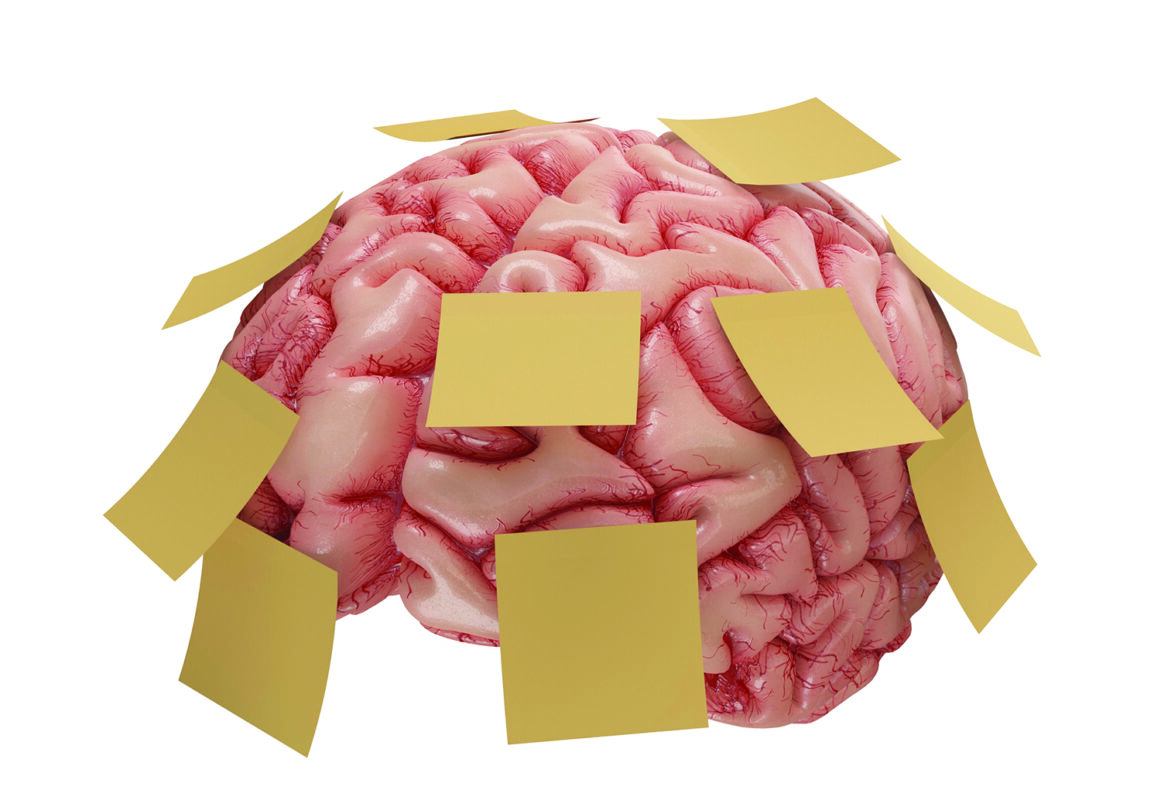
Think of working memory as a temporary, but very active, workspace or mental scratchpad. It’s also limited in its memory capacity. Research suggests that adults can manage about five to seven pieces of new information at a time before they’re either forgotten or consolidated in their long-term memory.
How Working Memory Works
The first phase of working memory is attention. If you pay attention to the information you see, hear, or otherwise take in, it moves quickly into your sensory memory. From there, it can live briefly in your short-term memory, which allows you to use it to make a decision, answer a question, or otherwise take action. Decision-making, planning, organizing, and other similar types of information processing make up what is known as your brain’s executive function.
“Attention is required for information to enter working memory,” says Molly Colvin, PhD, a Massachusetts General Hospital developmental neuropsychologist. “If you’re distracted, you’ll miss new information as it is being presented. Once you have registered new information, working memory helps us to keep our goal in mind, follow multistep directions, organize information, and keep track of where we are in a task. In that sense, working memory is an important component of the broader executive function system that allows us to regulate and direct our thinking and behavior.”
Working Memory vs. Short-Term Memory
Working memory is related to short-term memory, but they’re not the same thing. Over the course of your day, countless bits and pieces of information float in and out of your short-term memory. Think of your short-term memory as simply a temporary storage facility for bits of new information. It’s a relatively passive process.
Some short-term memories, however, get pulled into duty through your working memory.
“Short-term memory is the ability to hold information briefly in mind,” Dr. Colvin explains, adding that working memory is the active use of short-term memories. “For example, mentally calculating a tip requires working memory because you manipulate the numbers. Similarly, mentally ordering your ‘to-do’ list requires working memory.”
Examples of Working Memory in Everyday Life
If you’re driving and someone gives you directions about an upcoming left turn and then a sharp right, you’re using your working memory to keep all that straight as you navigate your way to your destination.
If you’re busy in the kitchen, turning from a recipe in a cookbook back to the counter or stove, your working memory is what’s keeping those ingredients and measurements straight.
Your working memory gets a workout every day. But as often as you use it and reinforce it, working memory is also subject to factors that can interfere with its efficiency.
What Affects Working Memory
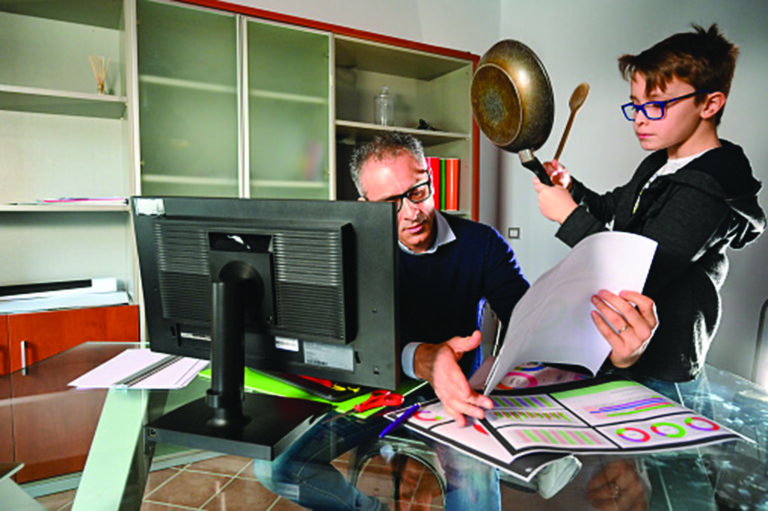
Among the most common problems affecting working memory are distractions that keep people from paying close enough attention to absorb new information. The distractions can be external, such as background noise or a crowded environment, or internal, such as thoughts about upcoming obligations, previous conversations, or worries about loved ones. If you’re unable to concentrate, information may not make it to your short-term memory for use by your working memory.
Stress can interfere with all types of memory, including working memory. Stress makes it hard to pay attention and recall learned information. And as people get older, the ability to focus and pay attention can suffer, too.
Certain health and medical factors can also be reasons why working memory may not be operating smoothly. People with attention-deficit/hyperactivity disorder (ADHD), for example, often struggle keeping information straight in their short-term and working memories. The same is true for people with dyslexia or other learning disabilities.
Signs of Weak Working Memory
If you occasionally need someone to repeat a phone number while you’re dialing or give you directions a second time, you’re in good company. Most people run into moments when their working memory isn’t working so well.
“Someone with working memory difficulties may lose track during conversations, have trouble following multistep instructions, forget what they were doing after an interruption, or find mentally demanding tasks increasingly difficult,” Dr. Colvin says.
But if those episodes are occurring more frequently, or if you’ve always struggled with these kinds of tasks, you may have a working memory problem that might benefit from a healthcare professional’s evaluation.
Can You Improve Working Memory
While there are no guaranteed methods of improving working memory, some strategies may be helpful. Rehearsing new information before or as you’re putting it to work often helps. And if you’re trying to remember a long list, such as a 10-digit phone number, chunking the numbers into groups of three or four can make it easier to store and apply that information.
But again, the strength of your working memory is subject to many factors. Practice may help, but be realistic about the difference it might make.
“There is limited evidence that ‘exercising’ working memory improves it, although people can certainly get better at individual tasks if they practice,” Dr. Colvin says. “However, strategies that reduce working memory load are often effective in everyday life. These include writing things down, breaking complex tasks into smaller steps, using calendars and reminders, reducing distractions, and doing one cognitively demanding task at a time. Sleep, exercise, and treatment of conditions that interfere with attention can also help.”
When to Seek Help
Frequent working memory challenges or episodes when information truly seems to get jumbled or confusing may be signs that it’s time to talk with a healthcare professional. With any type of memory issue, consider talking with your primary care physician, Dr. Colvin advises. A review of your symptoms and medical history can be a good place to start, and it may offer insight into health issues that could be contributing to some cognitive trouble.
If changes in your memory or thinking skills are becoming more noticeable to you and/or your loved ones, you may want to see a specialist who can administer sophisticated screening tests and order lab work or imaging if appropriate.
“Going directly to a specialist can make sense when memory changes are progressive, clearly interfering with everyday functioning, occurring unusually early in life, or are accompanied by other neurological symptoms, or when there is a particularly concerning neurological or family history,” Dr. Colvin explains. “Depending on the circumstances, an evaluation may include a neurologist, psychiatrist, or neuropsychologist.”