High blood pressure (hypertension) is notoriously hard to control. It’s not uncommon to require two or three drugs from different classes to bring blood pressure down into an acceptable range.
When you require more than three drugs to rein in your blood pressure, you have resistant hypertension.
What Is Resistant Hypertension?
Resistant hypertension is defined as blood pressure that remains uncontrolled (too high) on three or more medications that are appropriately dosed for your kidney function. An estimated 50% of people in the United States have higher-than-normal blood pressure, and an estimated 5% to 15% of them have resistant hypertension.
Sometimes, blood pressure will fall when a fourth or fifth antihypertension medication is added. These individuals are said to have controlled resistant hypertension. (Blood pressure that remains uncontrolled on five drugs, including a potent thiazide diuretic and a mineralocorticoid receptor antagonist, is known as refractory hypertension.)
“The process of finding the right combination of medications at the right doses to control blood pressure can be time-consuming and frustrating,” says Cleveland Clinic preventive cardiologist Luke B. Laffin, MD. “We urge you not to give up, because hypertension is a major contributor to coronary artery disease, heart failure, heart valve disease, arrhythmias, carotid artery disease, peripheral artery disease, and renal (kidney) disease, as well as death from these diseases, and lowering high blood pressure can mitigate some of these risks.”
Symptoms and Warning Signs
Hypertension is known as “the silent killer” because it generally causes no symptoms until major damage has been done. Most individuals learn their blood pressure is high during a routine visit to their doctor’s office or at a public health fair screening.
Blood pressure is measured when the heart is contracting (systole) and when it is relaxing between beats (diastole). Normal blood pressure is less than 120 millimeters of mercury (mmHg) systolic and less than 80 mmHg diastolic (written as 120/80 mmHg). Blood pressure readings of 120–129/80 mmHg are considered elevated. Hypertension is defined as a sustained systolic blood pressure reading of 130 mmHg or higher or a diastolic reading of 80 mmHg or higher.
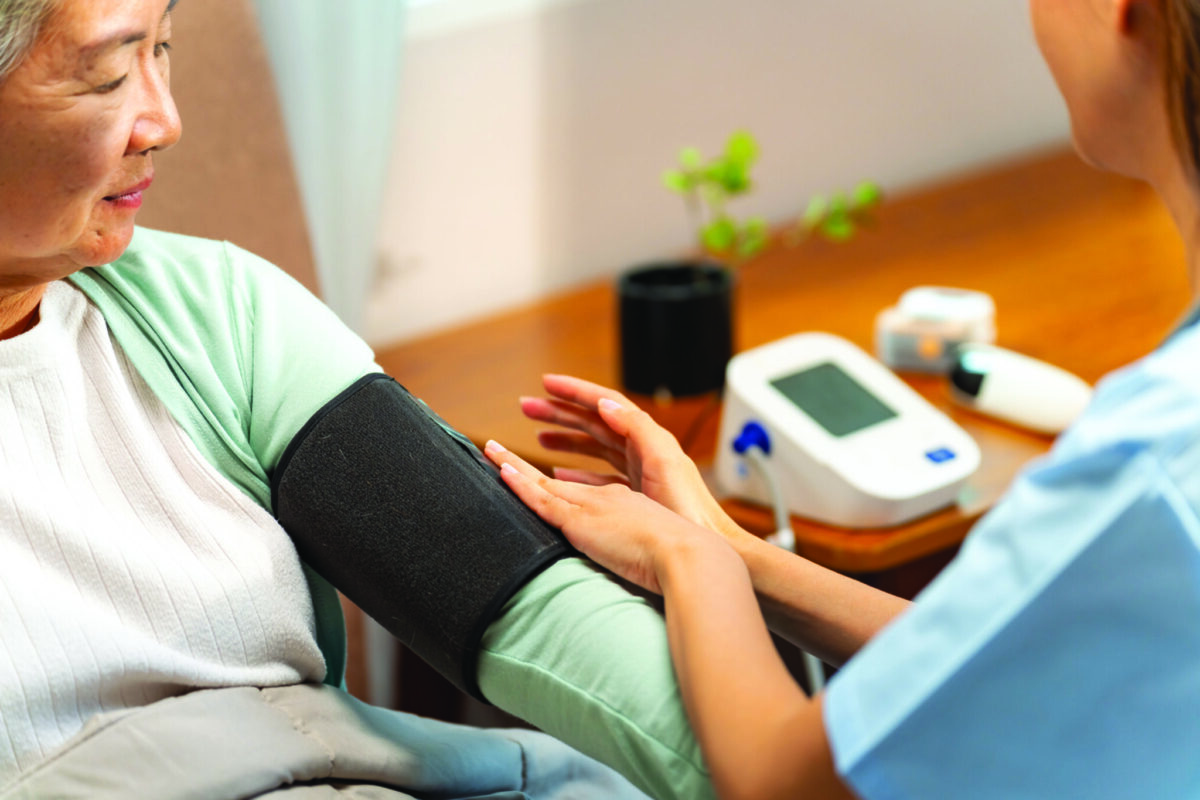
Blood pressure fluctuates continually throughout the day in response to influences such as exercise, stress, anxiety, pain, and consumption of salty foods. For this reason, taking your own blood pressure twice a day at home will help establish your average blood pressure.
“Knowing your average blood pressure and whether it rises and falls in a typical pattern will reveal whether something is amiss,” Dr. Laffin says. “If it rises slowly, then suddenly rises and stays high, or if it fluctuates more widely than usual, tell your doctor.”
Self-monitoring at home also helps identify situations in which blood pressure isn’t what it appears to be. For example, in white-coat hypertension, blood pressure is high when measured in the doctor’s office but normal when measured at home. “About 15% to 30% of people with white-coat hypertension develop sustained hypertension at some point,” Dr. Laffin says.
In the opposite problem, known as masked hypertension, blood pressure is normal in the doctor’s office but high when measured at home. “Without home monitoring, these individuals may never know they have uncontrolled hypertension and will miss getting lifesaving treatment,” he says.
Causes of Resistant Hypertension
High blood pressure can be caused by obesity, physical inactivity, diabetes, a high-sodium diet, and excessive caffeine or alcohol use, as well as chronic kidney disease, obstructive sleep apnea, and long-term exposure to air pollution.
Certain medications and herbal supplements may raise blood pressure. The list of drugs includes over-the-counter decongestants containing vasoconstrictors like pseudoephedrine, antidepressants, ibuprofen, prescription nonsteroidal anti-inflammatory drugs (NSAIDs), steroids, and estrogen. Licorice root, ephedra, and guarana are the major herbal offenders.
Fortunately, your blood pressure is likely to fall when you stop using these medications or herbal supplements and/or when you make appropriate lifestyle changes.
Genetics and older age may play a role in blood pressure that remains high and resistant to treatment. However, the two most common causes of resistant hypertension are hyperaldosteronism and hypercortisolism.
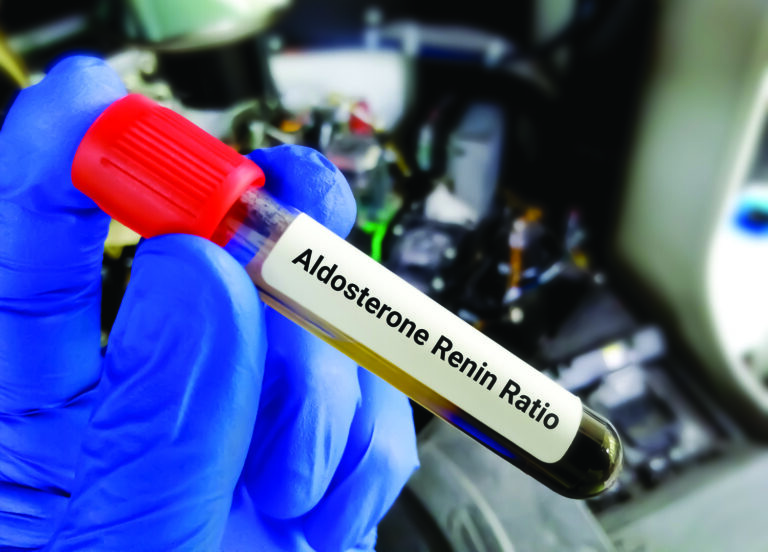
In hyperaldosteronism, the body makes too much aldosterone. Aldosterone is a hormone that signals the kidneys to absorb sodium, which makes blood pressure rise.
Hypercortisolism is the production of excess cortisol, a steroid hormone that elevates blood pressure and heart rate in response to danger. In hypercortisolism, cortisol levels never drop, putting the body in a perpetual state of stress. In MOMENTUM, a study of 1,086 people with resistant hypertension at 50 centers in the United States, hypercortisolism was found to be the driver of high blood pressure in 27.3% (JACC: Advances, March 2026).
How Resistant Hypertension Is Diagnosed
The diagnosis of resistant hypertension is straightforward.
Your doctor will initiate blood-pressure-lowering therapy and advise you on lifestyle changes that are likely to be beneficial. After giving the medications an appropriate amount of time to take effect—about one month—you will return to your doctor’s office to have your blood pressure measured again. If it has not fallen far enough, the doses may be raised (a process called titration) or a third medication added.
If your blood pressure is still too high with maximally tolerated doses of a diuretic and two antihypertension medications from different classes, you will be diagnosed with resistant hypertension.
Treatment Options
“Due to the dangers of untreated high blood pressure, it is important to start antihypertension therapy without delay,” Dr. Laffin says.
Finding the right combination of blood-pressure-lowering medications is generally a matter of trial and error. Unfortunately, this sometimes-lengthy process can lead to complacency. “Make sure your physician tests you for secondary causes like hypercortisolism and hyperaldosteronism and that they follow treatment guidelines when prescribing medications,” Dr. Laffin advises.
New treatments are improving the likelihood that individuals with resistant hypertension are able to lower their blood pressure. One of them is baxdrostat (Baxfendy), which was approved by the U.S. Food and Drug Administration (FDA) in May 2026 as the first in a novel class of drugs known as aldosterone synthase inhibitors.
Another option is renal denervation. In this minimally invasive, catheter-based procedure that was approved in 2023, ultrasound or radiofrequency energy is used to destroy nerves near the kidneys that are sending signals to raise blood pressure.
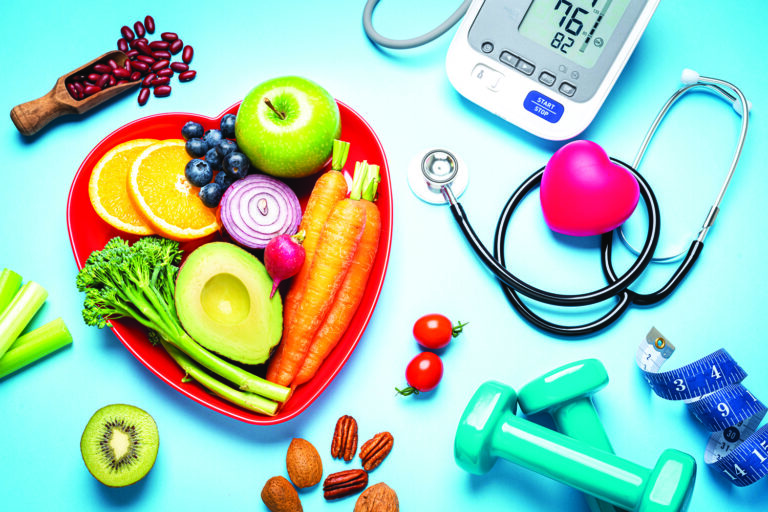
More often than not, it takes a combination of medications and lifestyle measures to lower blood pressure. Your doctor should explain which lifestyle changes could be beneficial for you, but it’s up to you to make these changes. Depending on your situation, advice may include increasing the amount of exercise you get each week, losing weight, cutting back on sodium or caffeine, or minimizing or eliminating alcohol intake.
Practical Tips for Managing Resistant Hypertension
Keep in mind that the goal of lowering high blood pressure is to prevent a stroke, heart attack, or any number of other cardiopulmonary dangers. You want to avoid being diagnosed with pseudoresistant hypertension, a dangerous situation in which your blood pressure remains high because you are not taking your antihypertension medications, not taking them as directed, not taking the appropriate doses, or not measuring your blood pressure correctly.
“Successful treatment of resistant hypertension is best accomplished by working closely with your physician,” Dr. Laffin says. “Pay attention to what your doctor recommends, and follow their instructions closely. If you don’t understand or agree with a recommendation, or have problems taking your medications as prescribed, don’t be afraid to speak up.”
On your part, make a concerted effort to adopt the positive lifestyle behaviors your healthcare provider recommends. “If a low-sodium diet was advised, try the DASH [Dietary Approaches to Stop Hypertension] diet, which was created to lower blood pressure. If you need to lose weight, ask your doctor if you might try a GLP-1 agonist.”
Increasing exercise is a great way to lower blood pressure and one of the hardest lifestyle changes for many individuals to follow. Here’s a suggestion: “Ask for a consultation with an exercise physiologist. They are pros at identifying the best option for any individual who is not accustomed to exercising,” Dr. Laffin advises.
During the course of finding an effective treatment for resistant hypertension, you will see your physician on a regular basis. Nevertheless, call 911 if you develop symptoms such as chest pain, shortness of breath, or temporary loss of speech or use of one side of your body.
“The goal of treating hypertension is to prevent an adverse cardiovascular event, such as a heart attack or stroke,” Dr. Laffin says. “However, some damage may be done before your high blood pressure is discovered, so never delay seeking emergency medical care for symptoms such as these.”