Whether or not you are aware of it, you may have high blood pressure (hypertension). Over time, the force of blood pushing against your artery walls will damage your arteries, greatly increasing your risk of stroke, heart attack, and many other serious events.
You can prevent these outcomes, however, using natural ways to lower blood pressure. Lowering your systolic blood pressure to less than 120/80 millimeters of mercury (mmHg) has been shown to reduce the risk of:
- Stroke by 30%
- Death from stroke by 39%
- Death from heart attack by 23%
- Risk of heart failure by 64%
- Death from any cause by 21%
“If you don’t take steps to reverse your blood pressure when it starts to rise, it will continue to go up,” says Luke J. Laffin, MD, a Cleveland Clinic preventive cardiologist. “Eventually, the consequences will catch up to you.”
Why Choose Natural Ways to Lower Blood Pressure?
You can lower blood pressure by making lifestyle changes and taking medications as prescribed. The methods are complementary.
“Blood pressure management is 70% lifestyle and 30% medications,” Dr. Laffin says.
Adjusting your lifestyle may require you to change what you eat and drink, how much you exercise, and how you sleep. These behavioral adjustments are nonpharmacological and natural ways to lower blood pressure.
Many antihypertensive medications are available, yet high blood pressure can be stubborn: It may take weeks or months of trial and error to find the right medications to bring blood pressure down to goal. For this reason, you may want to try natural ways of lowering blood pressure first.
“If you don’t see the numbers fall in three months, or they don’t go down far enough, see your doctor. You may need blood pressure-lowering medications,” says Dr. Laffin.
Furthermore, if medications are prescribed, embracing natural ways to lower blood pressure can augment their effects. “Although some people can lower their blood pressure with lifestyle changes alone, if you don’t make the recommended changes, blood pressure medications will not be nearly as effective,” says Dr. Laffin.
Key Natural Strategies to Lower Blood Pressure
The following methods have been proven effective in clinical studies.
Eat a Heart-Healthy Diet
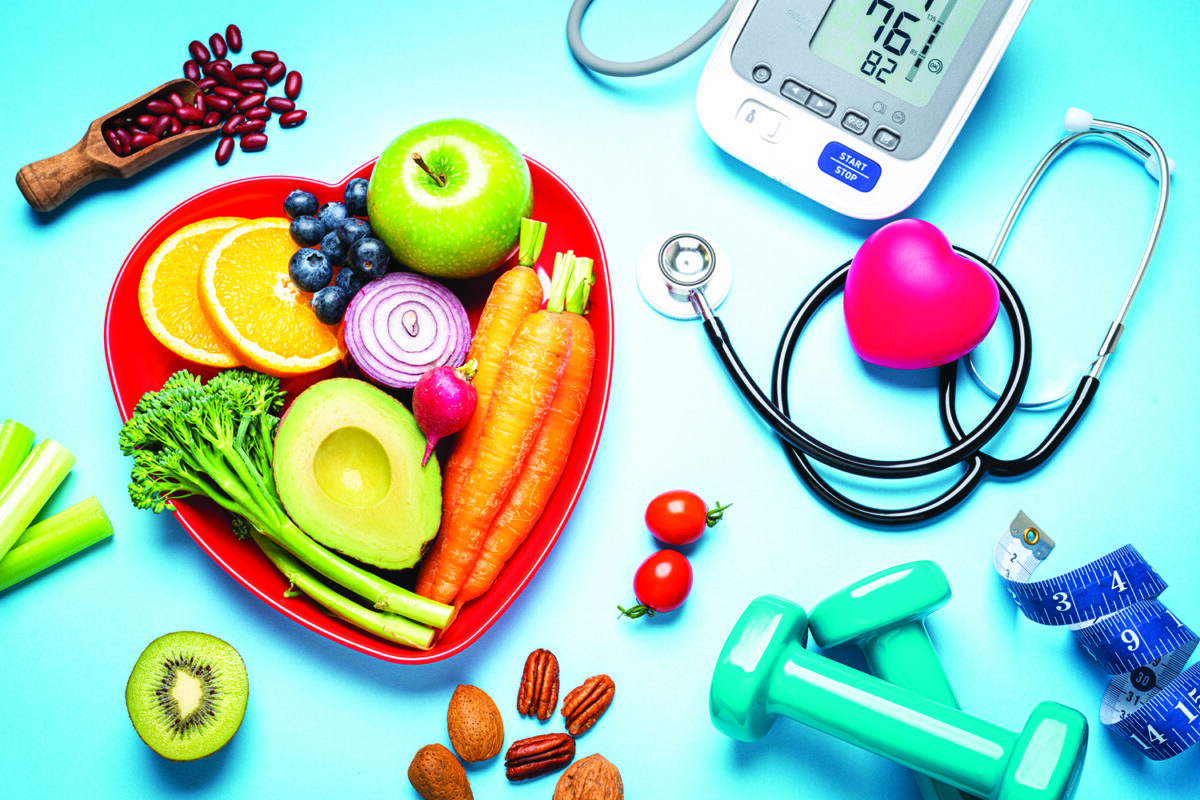
If you consume an average American diet, you will probably need to eat less salt and more fruits, vegetables, whole grains, and high-potassium foods.
“No food will magically lower your blood pressure. However, your overall diet can have an impact,” says Dr. Laffin.
For example, the heart-healthy Dietary Approaches to Stop Hypertension (DASH) diet was created to lower blood pressure. It’s a low-sodium, Mediterranean-style eating pattern that emphasizes fruits, vegetables, whole grains, and low-fat dairy. People who adopt the DASH diet usually meet potassium guidelines and may lose weight, as well. Research on this diet is so positive that it is now considered one of the most important nonpharmaceutical methods of controlling hypertension.
“Following the DASH diet can drop blood pressure by as much as 11 mmHg,” Dr. Laffin says.
Here are some key tenets to follow when adhering to the DASH diet or any heart-healthy eating pattern:
- Cut back on salt. “Cutting your salt intake is probably the most important way to lower blood pressure. Studies have shown that a low-sodium diet has the same effect as one-and-a-half to two blood pressure medications,” Dr. Laffin says. The average American consumes between 3,500 and 5,500 milligrams (mg) of sodium a day. If you have hypertension, limiting daily sodium to 1,500 mg—about one teaspoon—should drop your blood pressure by 5 or 6 mmHg. Because 1,500 mg a day is so hard to achieve, Cleveland Clinic sets the limit at 2,300 mg. “At minimum, we recommend lowering sodium intake by at least 1,000 mg per day,” Dr. Laffin says.
- Eat more potassium. A diet high in fast foods, highly processed foods, meat, potatoes, and carbohydrates is likely to be low in potassium, which can contribute to high blood pressure. A daily intake of 3,000 to 3,500 mg of potassium through foods such as bananas, tomatoes, and other vegetables should drop your blood pressure by 4 to 5 mmHg. “This advice may not apply to individuals with chronic kidney disease, because their kidneys may not be able to eliminate the extra potassium,” Dr. Laffin says.
- Watch your caffeine intake. Caffeine causes blood pressure to rise temporarily—as much as 5 to 10 mmHg—right after consuming it. Regularly drinking large amounts of caffeinated coffee may cause blood pressure to remain elevated. For this reason, moderate consumption is wise. “No more than one cup of regular coffee or two cups of decaf a day is what we recommend for patients with hypertension,” Dr. Laffin says.
Maintain a Healthy Weight
Excess weight increases the likelihood of developing high blood pressure. Every loss of 2.2 pounds should cause blood pressure to drop by 1 mmHg.
Excess weight also increases the risk of developing obstructive sleep apnea (OSA), a condition that interrupts breathing hundreds of times during sleep throughout the night. OSA causes blood pressure to rise.
Exercise Regularly
Doing 150 minutes of moderate-intensity aerobic activity or 75 minutes of high-intensity activity every week can lower blood pressure by 5 to 8 mmHg.
Aerobic exercise forces blood vessels to expand and contract to counteract the impact of high blood pressure. It also increases blood flow and encourages the growth of new blood vessels, among other benefits.
Dynamic resistance exercises, such as doing bicep curls with weights, and isometric resistance exercises, such as pushing against a wall, also may lower blood pressure as much as 4 to 5 mmHg. However, their benefit depends on how often they are done, how many repetitions are performed, and, in the case of dynamic resistance exercises, what weights are used.
Limit Alcohol and Quit Smoking
The American Heart Association recommends men limit alcohol to two drinks a day; women to one drink. If you have hypertension, reducing your alcohol consumption may cause your blood pressure to drop as much as 4 mmHg.
There is less evidence on how smoking directly impacts blood pressure. However, the fact that smokers are two to four times more likely than nonsmokers to have a heart attack should be reason enough to quit.
“We know that smoking harms the lining of the blood vessels, as does high blood pressure, so it stands to reason that you should not smoke,” Dr. Laffin says.
Manage Stress
One way in which chronic stress impacts the heart is by raising blood pressure. Chronic stress also can prevent quality sleep; stimulate the appetite and slow metabolism, resulting in weight gain; and cause individuals to adopt unhealthy habits such as drinking and smoking.
When you can’t avoid the source of chronic stress, you can mitigate its effects by embracing a method that helps you cope with it, such as meditation or focused breathing.
“Anything that relaxes you will decrease blood pressure temporarily,” Dr. Laffin says. “For a stress-management technique to be effective in the long term, you will have to incorporate it into your daily routine.”
Get Quality Sleep
Getting the right amount of quality sleep every night is important to your cardiovascular system.
“Getting six to eight hours of uninterrupted sleep a night can prevent high blood pressure as well as widely fluctuating blood pressure, which we now know is as dangerous as high blood pressure,” Dr. Laffin says.
An Additional Lifestyle Tip
If you do an internet search, you’ll find home remedies and other natural options for lowering blood pressure. Take them with a (figurative) grain of salt, since supporting evidence will be limited or of questionable quality.
“If you are serious about using natural ways to lower blood pressure, choose a method that has stood the test of time,” says Dr. Laffin.