High blood pressure (hypertension) is a leading risk factor for heart attack and stroke. Some individuals, however, have the opposite problem—very low blood pressure (hypotension). It does not increase cardiovascular risk, but it can cause unpleasant symptoms. If you’re looking at how to raise blood pressure, the good news is there are practical ways to manage symptomatic hypotension.
“If low blood pressure happens intermittently, we try lifestyle measures first. They work for most people,” says Luke J. Laffin, MD, a Cleveland Clinic preventive cardiologist.
What Is Low Blood Pressure (Hypotension)
Blood pressure is the force of blood as it presses against the inside walls of the arteries. It is given in two numbers as measured in millimeters of mercury (mmHg). The first number, the systolic pressure, measures the force of blood against the artery walls when the heart contracts. The second number, the diastolic pressure, measures the force when the heart relaxes and refills with blood between beats.
As a rule, cardiovascular risk rises in tandem with blood pressure. It is a continuum of risk, so there is no point that divides safe from unsafe blood pressure. Nevertheless, to help individuals understand their risk and set appropriate treatment goals, medical societies have established blood pressure categories. In 2025, American College of Cardiology and American Heart Association guidelines set normal (ideal) blood pressure at less than 120 mmHg systolic and less than 80 mmHg diastolic (120/80 mmHg).
“For every 20 points that blood pressure rises above 120/80 mmHg, the risk of heart attack and stroke doubles,” says Dr. Laffin.
When blood pressure drops below 90/60 mmHg, a person is said to have hypotension. Around this low level, symptoms are likely to appear. But just as there is no number above which higher blood pressure suddenly becomes dangerous, there is no cut-off point where the symptoms of hypotension will appear.
“Some people with low blood pressure have no symptoms. Other people get symptoms when their systolic blood pressure is higher than 90 mmHg,” Dr. Laffin says.
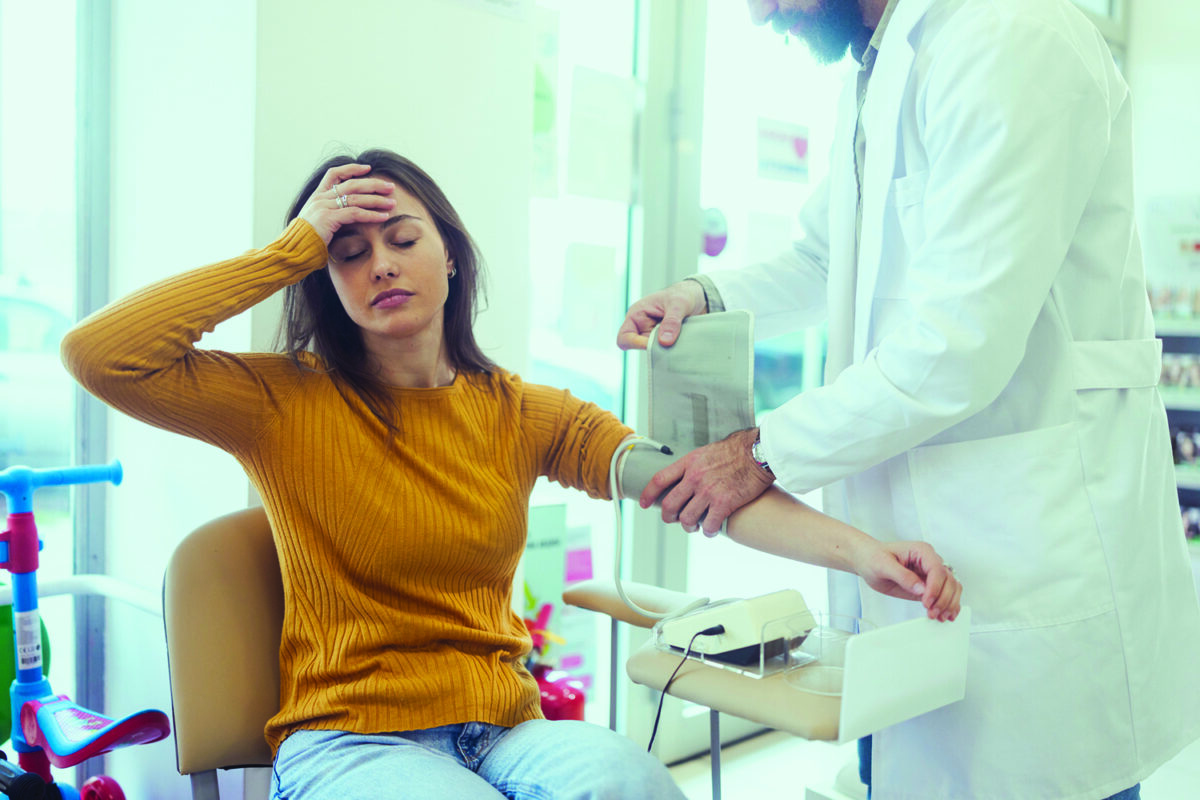
Lightheadedness is the most common symptom of hypotension. “Not dizziness, like the world is spinning, but feeling lightheaded and faint. It can be particularly noticeable when you are changing position,” Dr. Laffin explains.
Other common symptoms include:
- Fainting
- A slow heart rate
- Nausea
- Blurry vision
- Upset stomach
- Rapid breathing
- Fatigue
- Lethargy
- Confusion
- Difficulty concentrating
- Abnormal agitation
Common Causes of Low Blood Pressure
Hypotension is less likely to occur in people being treated with antihypertensive medications, because their blood pressure is closely monitored. Furthermore, medications can be adjusted to prevent blood pressure from falling too low.
Some of the more common causes of hypotension are dehydration, infection and anemia from internal bleeding.
People with orthostatic (postural) hypotension experience a drop in blood pressure when they stand up from a reclining or seated position. Diseases with an underlying autonomic central nervous system dysfunction, such as postural orthostatic tachycardia syndrome (POTS) and Parkinson’s disease, also can cause blood pressure to drop. In addition to the symptoms being triggered by positional changes, they may become particularly obvious after eating (postprandial hypotension), when blood is diverted to the digestive tract.
Low blood pressure is not uncommon during pregnancy and in individuals with a variety of heart and lung conditions, particularly heart failure with reduced ejection fraction.
And, some people simply have very low blood pressure. “If you have low blood pressure and are not symptomatic, it is generally not a problem,” says Dr. Laffin.
When to Seek Medical Attention
Blood pressure has a natural circadian variation, meaning that it rises and falls in a predictable pattern over a 24-hour period.
If you have any blood pressure issues, buy a home monitor. Measure your blood pressure twice shortly after awakening and again around in the evening.
Then, to learn whether you have hypotension, take your blood pressure when you are experiencing its symptoms, and make an appointment to discuss the readings with your physician.
“Most general practitioners can treat hypotension,” Dr. Laffin says. “However, if you are passing out frequently, you may benefit from being seen in a clinic that specializes in the diagnosis and management of syncope [fainting]. If your blood pressure fluctuates between very high and low, consider seeing a hypertension specialist.”
Practical Ways to Raise Blood Pressure
There are three nonmedical ways of raising low blood pressure:
- Staying hydrated. “Drink at least 64 ounces of fluid a day,” says Dr. Laffin.
- Wearing compression stockings
- Increasing the amount of salt in your food.
Adding salt to your diet without resorting to unhealthy processed foods like potato chips can be tricky.
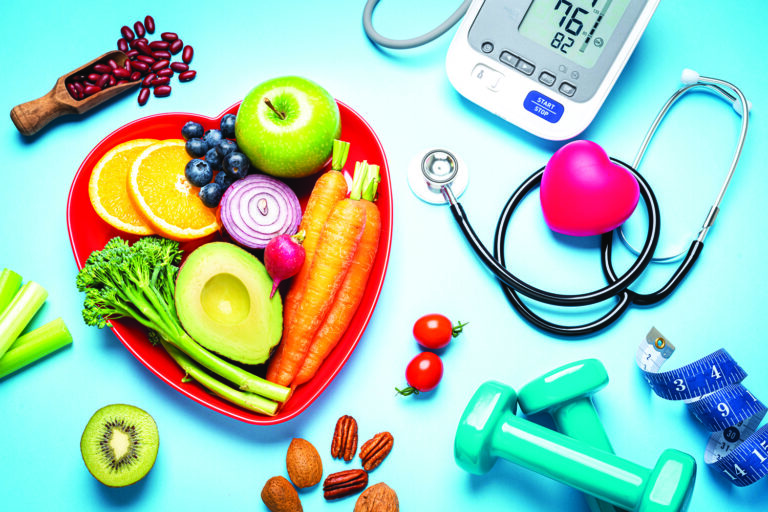
“I usually suggest people increase their consumption of fermented and pickled foods such as sauerkraut and pickles; cheese and cottage cheese; nuts, seeds and nut butters; canned beans; canned tuna or salmon; and electrolyte beverages,” says Michelle Dodd, RD, LD, a Cleveland Clinic dietitian.
Understand that permission to add these foods to your diet does not mean you have free rein to eat as much of them as you want. “The amount of extra salt you will need depends on your medical condition, so it would be best to consult with your doctor or a registered dietitian,” Dodd says.
Home Remedies and Lifestyle Tips
If your symptoms of hypotension are caused by a form of autonomic dysfunction, you may find it helpful to eat multiple small meals throughout the day, rather than three larger meals.
If you feel lightheaded when you change positions, move slowly.
Additionally, a 2022 study found that people with orthostatic hypotension could prevent their blood pressure from dropping significantly by tensing their leg muscles before they stood up. Once they were in a standing position, crossing their legs and continuing to tense their leg muscles effectively prevented them from feeling lightheaded or faint.
Medical Treatments for Low Blood Pressure
When lifestyle measures fail to resolve the symptoms of hypotension, medications may be necessary.
Fludrocortisone (Florinef®) can be used to expand the volume of blood in the body. It works by helping the kidneys retain sodium and maintain a sodium-water balance.
Midodrine (Orvaten®, Proamatine®) causes blood vessels to constrict, raising blood pressure.
“Whether you need to take either medication and, if so, for how long will depend on your individual situation,” Dr. Laffin says. “Only a small percentage of people need medication. Lifestyle measures like increasing salt intake work for most.”