A heart attack is a frightening event that leaves many people reeling.
“Most patients are shocked that it happened and feel a profound sense of vulnerability,” says Cleveland Clinic cardiologist Leslie Cho, MD.
In medical terms, a heart attack is known as an ST-elevation myocardial infarction (STEMI), which reflects how it appears on an electrocardiogram. Today, complete heart attack recovery is common, thanks to revascularization with angioplasty and stenting. Advances in cardiac rehabilitation continue to improve heart attack recovery outcomes.
When blood flow through a coronary artery is blocked, a balloon-tipped catheter is inserted in the artery and inflated to open the artery. A tiny cage called a stent is then inserted to prevent the artery from closing. When angioplasty and stenting are performed within 90 minutes after heart-attack symptoms began, the heart muscle is unlikely to suffer permanent damage from lack of oxygen. This allows many heart-attack survivors to resume a normal or near-normal lifestyle.
However, the story doesn’t end there. After a heart attack, specific steps must be taken to prevent a second heart attack or develop heart failure.
“Think of your heart attack as a wake-up call. It’s an opportunity to focus on controlling your risk factors to reduce the likelihood of a future event,” says Dr. Cho.
The First Days After a Heart Attack
The days immediately following a heart attack may be a blur as you try to come to terms with what happened and why.
You will be put on specific medications that have been shown to lower the risk of heart attack and heart failure and increase the likelihood of survival. These include aspirin, an antiplatelet medication to prevent clots from forming inside the stent, a beta-blocker, a statin and an angiotensin-converting enzyme inhibitor or angiotensin receptor blocker.
You will be assessed for risk factors that likely contributed to your heart attack, such as high blood pressure, diabetes, high cholesterol, obesity, poor dietary habits, lack of exercise, smoking, alcohol use, quality and length of sleep and psychosocial factors such as chronic stress and loneliness. Your physician or a member of your treatment team will discuss the findings and make recommendations.
“It’s a lot to absorb, particularly when you are likely to be feeling tired and overwhelmed,” says Dr. Cho. “However, it’s very important to follow the medical advice you are given. If you don’t understand why you need to take certain medications, let us know before you leave the hospital. We will be happy to explain it to you.”
Your Heart Attack Recovery Timeline
The average length of hospital stay after a low-risk STEMI is three to four days. If you feel you need a little extra time to prepare yourself mentally or physically for discharge, tell your doctor: It may be possible for you to remain in the hospital longer.
If you are considered a low-risk patient, however, efforts to recover physically should begin without delay. Studies have shown that it is safe to resume physical activity one week after STEMI. Cleveland Clinic cardiologists allow more time, starting patients in cardiac rehabilitation two to four weeks after their heart attack.
Your psychological and emotional recovery may take longer. The need for emotional support after a heart attack should not be discounted.
“When patients go home, many feel super-anxious—and who could blame them?” says Dr. Cho. “If they feel a little discomfort, they worry they are having another heart attack and go straight to the emergency department. It may take time for these individuals to relax and trust that their revascularization procedure was successful and that another heart attack is not around the corner.”
If you follow your doctor’s orders, your recovery should go smoothly.
One of the most common reasons for rehospitalization after a heart attack is failure to take your medications. Although reasons can include simply forgetting to take the drugs or fill the prescription, some people simply don’t want to take medications. This is very unwise. “Not taking aspirin or an antiplatelet drug can cause your stent to fill with clots, causing another heart attack,” says Dr. Cho.
Essential Steps for a Strong Recovery
Before you are discharged, a follow-up appointment will be made for you about one week later. It is important to keep this appointment.
“We want to see how you look, how you are feeling mentally and emotionally and make sure your vital signs are good,” says Dr. Cho. “We also want to see how you are responding to the medications and whether you are taking them as prescribed. Studies have shown that heart-attack survivors who don’t fill their prescriptions are far more likely to die within a year than those who take their medications as prescribed.”
The seven-day follow-up appointment is a good time to ask questions that you didn’t think to ask immediately after your heart attack, questions like “When can I go back to work?”
“The answer depends on how big a heart attack you had, and how well your heart is pumping,” says Dr. Cho. “Unless the work is physically very strenuous, most patients can go back in 10 to 14 days, if they must. However, we encourage everyone to participate in cardiac rehabilitation three times a week for 12 weeks, if at all possible. Cardiac rehabilitation reduces the risk of heart attack and stroke by 60% and cardiovascular death by 58%. It also boosts mental and emotional health,” says Dr. Cho, who serves as Co-Director of Preventive Cardiology and Rehabilitation at Cleveland Clinic.
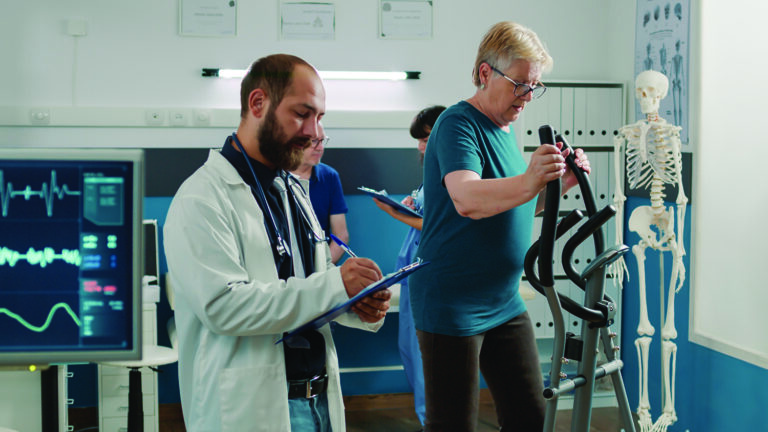
Cardiac rehabilitation is a multifaceted, medically supervised program designed to promote recovery from heart attack or a heart procedure through supervised aerobic and resistance exercises tailored to each participant’s fitness level and risk factors. Preventing a second heart attack is one of the top priorities of cardiac rehabilitation and your long-term recovery.
During the program, participants also are taught the elements of a heart-healthy lifestyle, including how to follow a balanced diet, how to attain and remain at a healthy weight, how to quit smoking and how to manage stress.
“After a heart attack, many people are scared to exercise, and most are still fatigued, but after a couple of cardiac rehabilitation sessions, they feel better. Some even feel better than they did before their heart attack,” Dr. Cho says.
Lifestyle Changes That Support Healing
Most heart attacks are the result of years of neglected risk factors or unhealthy lifestyle habits. To make sure you don’t have another heart attack, you need to take control of your modifiable risk factors. Your doctor will monitor your blood pressure, cholesterol and blood sugar and put you on medications to keep these in check. However, it will be up to you to make necessary any recommended lifestyle changes after a heart attack.
You will need to examine your diet and eliminate processed foods, refined carbohydrates, fried foods, heavily salted foods, soft drinks and sources of empty calories. In their place, you will want to eat heart-healthy foods like fresh fish, whole vegetables and fruits and complex carbohydrates. A Mediterranean-style diet is a good diet to follow.
“If making extensive dietary changes is overwhelming, consult a dietitian,” Dr. Cho recommends.
The dietary changes you make are likely to produce weight loss—a terrific benefit if you are overweight or have Type 2 diabetes or hypertension.
You are likely to lose weight faster and keep it off if you exercise. This requirement will be met by participating in cardiac rehabilitation. “After the formal cardiac rehabilitation program ends, many people find it easy to continue doing the same exercises. They often feel so much better and have more energy, so it’s not difficult,” says Dr. Cho.
If you smoke anything—tobacco, e-cigarettes or anything else—it is important to stop immediately. You should also avoid secondhand smoke. “Heart-attack survivors are 61% more likely to have a second heart attack or experience angina (chest pain) within 30 days when exposed to secondhand smoke,” says Dr. Cho.
Emotional and Mental Health During Recovery
In addition to anxiety, depression is so common after a heart attack that Cleveland Clinic cardiologists routinely screen for it by using the PHQ9 questionnaire. A score of 10 or higher prompts a referral to Cleveland Clinic’s Cardiobehavioral Clinic, which is staffed by nurses, psychologists and psychiatrists experienced in treating mental health in heart-attack survivors.
If you are outside the Cleveland Clinic system, you can self-administer the PHQ9 questionnaire to determine whether you would benefit from seeing a mental health professional. The need for emotional support after a heart attack is often overlooked, as people prioritize their physical health. But strong feelings of anxiety or depression are quite common after a heart attack, and can interfere with your recovery.
“Depression can shorten your life, and it certainly can affect your quality of life,” says Dr. Cho. “You don’t have to live with this burden.”
The sooner you can resume an active social life, the faster your quality of life will be restored. As your energy returns, you will find that the enjoyment of socializing with friends improves your mental outlook. Cardiac rehabilitation sessions foster a sense of camaraderie, as well. Participants often find that friendships formed during cardiac rehabilitation last long after the formal sessions are over.
Involving Family and Caregivers
If someone you love has a heart attack, you can help them recover by offering understanding and encouragement.
“Heart attack has a huge emotional component that encompasses fear, sadness, disbelief, resentment and a host of other emotions,” says Dr. Cho. “It may be the first time these individuals have faced their own mortality, and coming to terms with this can take time.”
There is no universal timetable for recovery. Many people are able to get through the emotional shock in a reasonable amount of time, but some need help. “If your partner is depressed, won’t take their meds, exercise or eat right, or they resume old, unhealthy habits, they could end up having another heart attack. Nagging won’t help. Instead, we recommend telling your loved one’s cardiologist or making an appointment to get them the professional help they need.”
On the other side of the coin, don’t let your own fears interfere with your loved one’s recovery, either. Allow your loved one to begin exercising and resume normal activities when they feel up to it or when their cardiologist recommends they begin. This includes participating in sexual activity.
“We tell patients that it’s safe to have sex with your regular partner when you can walk up two flights of stairs without stopping to catch your breath,” says Dr. Cho.
Preventing a Second Heart Attack
The American Heart Association recommends eight essential actions for preventing a heart attack: Manage your blood pressure, cholesterol and blood sugar; eat a healthy diet; maintain a normal weight; quit smoking; get at least 150 minutes of exercise a week; and get an adequate amount of quality sleep.
“This advice is good, whether you are trying to prevent a first heart attack or a second one. But after you’ve had a heart attack you also need to take your medications as directed, complete a cardiac rehabilitation course and tend to your mental health,” says Dr. Cho. “Look at it this way: If the heart attack didn’t kill you, it gave you an opportunity to become a healthier, happier person than you were before.”