If you have been diagnosed with a heart condition or need a heart procedure, your doctor may advise you participate in cardiac rehabilitation. It’s a program designed to help you recover and put you on the road to better heart health.
“Cardiac rehab saves lives,” says cardiologist Leslie Cho, MD, a Cleveland Clinic cardiologist. “We know from large studies that patients who participate in cardiac rehab live longer, have fewer heart attacks, and are less likely to be hospitalized.”
Indeed, cardiac rehab has been shown to reduce the risk of heart attack by 30%, stroke by 60%, and cardiovascular death by 58%. Additionally, cardiac rehab boosts mental and emotional health.
“Cardiac rehab has a positive impact on quality of life,” says Cleveland Clinic exercise physiologist Mike Crawford, MS, ACSM-CEP. “Participants experience fewer symptoms of their disease. They feel less vulnerable and more in control. Symptoms of depression and anxiety subside. They simply feel better, have more energy, and have a more positive outlook on life.”
What Is Cardiac Rehab?
Cardiac rehab is a multifaceted program designed to help individuals with heart disease get stronger and healthier. The program promotes recovery from heart attack or a heart procedure through exercises that strengthen the heart and supports heart disease prevention by teaching a heart-healthy lifestyle.
Importantly, cardiac rehab helps to slow the progression of heart disease. “Gaining control of cardiac risk factors is a goal for every participant,” Crawford says.
Who Should Consider Cardiac Rehab?
Many people associate cardiac rehab with coronary artery bypass grafting (CABG), but that’s only one group of individuals who should take advantage of all that the program offers.
Eligibility for cardiac rehab includes a broad swath of individuals, including those who:
- Undergo any type of heart surgery, including heart transplantation
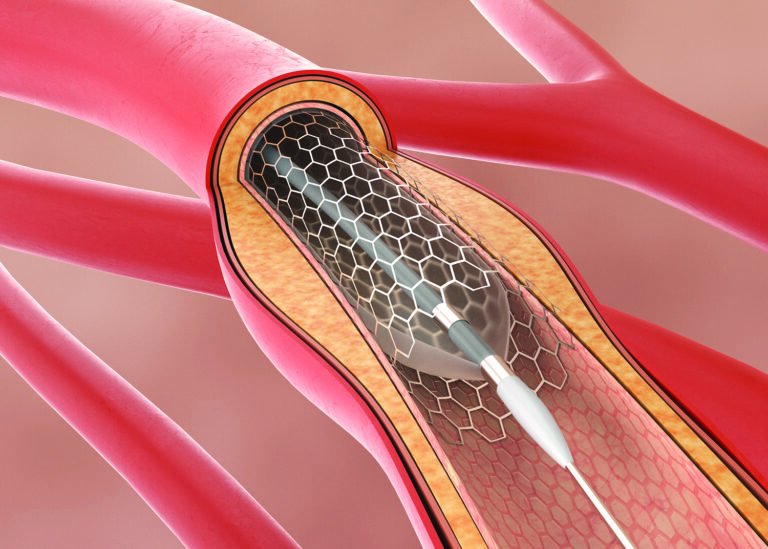
- Undergo a catheter-based intervention such as valve repair, valve replacement, or angioplasty with or without stenting
- Receive a ventricular assist device
- Experience a heart attack
- Experience spontaneous coronary artery dissection (SCAD)
- Have chronic stable angina
- Have peripheral arterial disease
- Are diagnosed with microvascular disease
- Have chronic heart failure.
“These patients benefit tremendously, particularly if they have an ejection fraction of 35% or less. Those being worked up for a heart transplant who participate in cardiac rehab go into surgery stronger and recover more quickly,” Crawford says, adding that participants need to be stable on routine medications to participate.
Key Components of a Cardiac Rehab Program
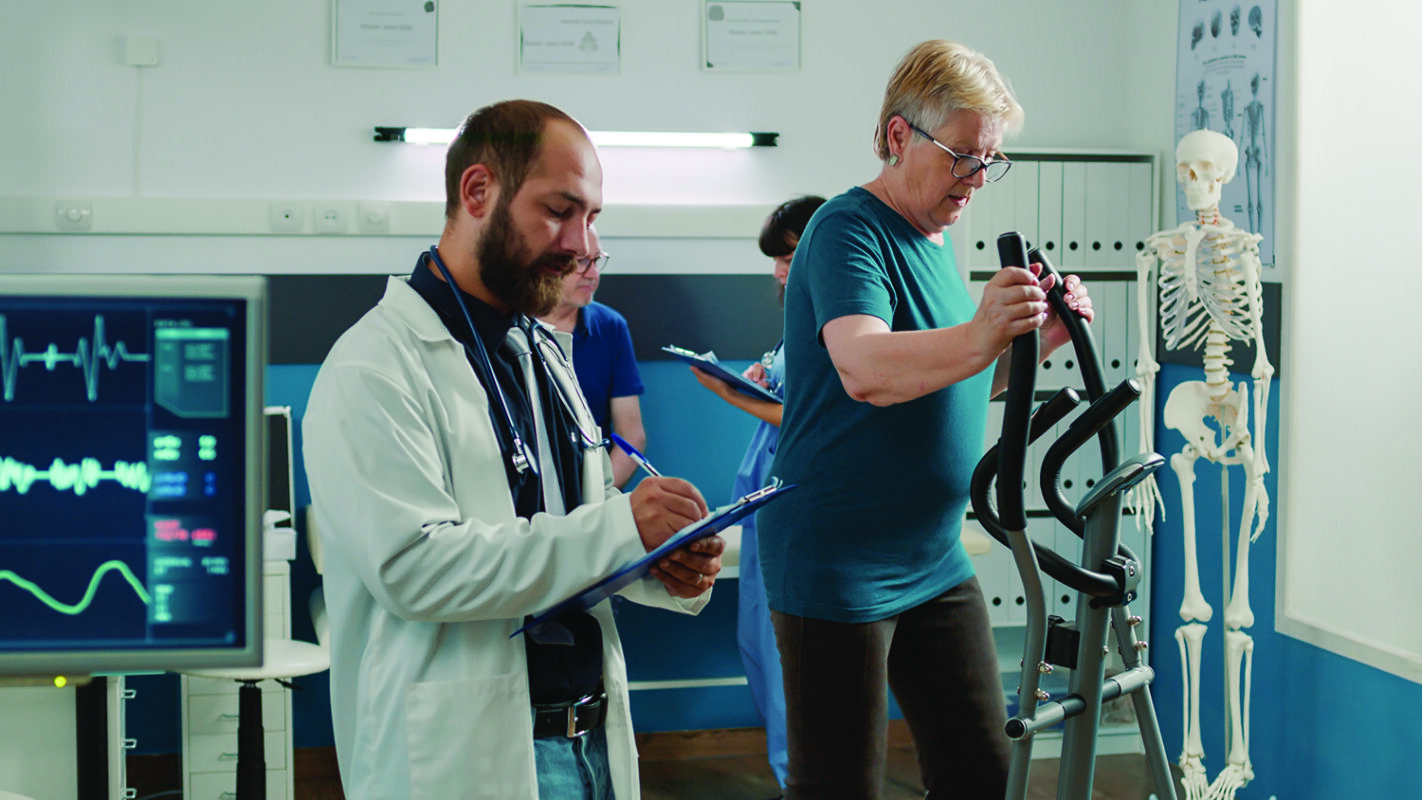
Cardiac rehab is centered around a program of supervised aerobic and resistance exercises that are tailored to each participant, considering their fitness level and risk factors. Exercise starts slowly and increases in duration and intensity as endurance and confidence improve.
During the program, participants are taught the elements of a heart-healthy diet, keys to attaining and remaining at a healthy weight, ways to quit smoking, and methods of managing stress. Cardiac rehab professionals explain the roles of blood pressure, cholesterol, and blood sugar in heart disease and discuss ways to manage these risk factors. Participants learn why certain medications for heart disease and its risk factors are prescribed and how to get the most benefit from them.
“Patients want to get value out of attending, so in addition to group sessions, staff members spend one-on-one time with each participant to ensure their individual problems are addressed and their questions are answered,” Crawford says.
Every 30 days, a report card documenting their progress is created, and their individual exercise prescription is reviewed, updated, and shared with their personal physician.
The Phases of Cardiac Rehab
Cardiac rehab is conducted in three phases:
- Phase 1 starts in the hospital, when you are introduced to the program and what it offers.
- Phase 2 begins after discharge, when you are back home and can attend sessions as an outpatient. Your doctor will let you know when you can start participating.
- Phase 3 is the maintenance program, when you take the exercises you learned and continue practicing them on your own.
What to Expect: Getting Started
In addition to exercise physiologists, the cardiac rehab team may include registered nurses, nurse practitioners, respiratory therapists, pharmacists, smoking-cessation counselors, psychiatrists, psychologists, cardiologists, and other specialists as needed.
Staff members will examine you, take your medical history and ask about your risk factors. They also may conduct some tests. The information will be used to determine the safest and most effective exercises for you and what goals should be set. Your blood pressure, heart rate, and other aspects of your health will be closely monitored at each cardiac rehab session.
Benefits of Cardiac Rehab
If you complete cardiac rehab, you can expect to be physically and emotionally stronger and healthier. By continuing to exercise and applying what you learn about a heart-healthy lifestyle, you may add five years or more to your life. Importantly, you can expect your quality of life to improve.
“Individuals end up feeling better than they thought they would,” Crawford says. “It’s not unusual for someone who enters the program in a wheelchair to exit at the end walking on their own.”
Management of Potential Risks
Some heart patients decline to participate because they are afraid to exercise. Crawford says this fear is unfounded: “Cardiac rehab has a great safety record. The incidence of heart attack or cardiac arrest in rehab participants is low because we ensure everyone exercises safely by starting slowly and wearing a heart monitor. We also check their blood pressure and blood sugar if needed before they exercise.”
Very rarely, exercise causes a patient’s heart rhythm to soar. When this happens, the staff steps in to treat the arrhythmia immediately.
Practical Tips for Success
To make the most of cardiac rehab, start the program when your physician recommends you begin, and complete the entire program—attending three times a week for three months. The cost is mostly covered by Medicare, and balances are often covered by any secondary insurance.
Despite the multiple advantages gained through cardiac rehab, nationally only 25% to 30% of people who qualify enroll.
Patients who undergo a percutaneous catheter-based intervention tend to believe they don’t need to participate, because they return to a normal life very quickly. Nevertheless, those who complete cardiac rehab still gain the survival advantage documented in research studies, undoubtedly due to the education participants receive.
“Some people think they don’t need to attend a cardiac rehab program, that they can rehabilitate themselves at home. However, it takes an exceptional person to remain motivated enough to accomplish what the program delivers,” Crawford says. “We are coaches. We want to know what is important to you and how can we help you achieve your goals. We are here to support you through your journey.
“Cardiac rehab is an opportunity to invest in yourself,” he adds. “Over time, this investment will pay big dividends.”