If you’re struggling to maintain a healthy weight, there probably are days when you wish there were magical pills you could take to help you shed excess pounds. You may, for example, look to a supplement such as turmeric for weight loss.
And while turmeric, a popular seasoning particularly in Indian food, may offer some health benefits, there is little solid evidence that it can fuel significant weight loss. If you need to lose weight, and need help beyond diet and exercise, you should talk with your healthcare provider about weight-loss medications, such as glucagon-like peptide-1 (GLP-1) inhibitors.
But if you’re still interested in trying turmeric supplements for weight loss—especially since it’s often marketed as a “fat burner”—take a few more minutes to learn about this spice and its many uses.
What Is Turmeric?
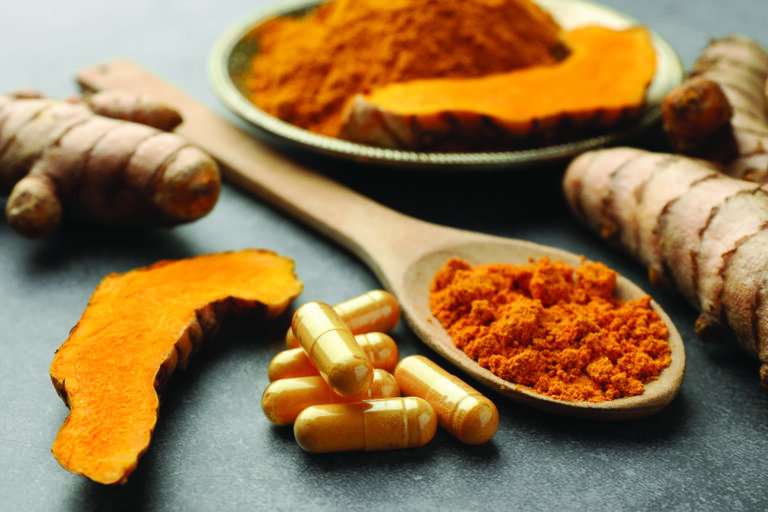
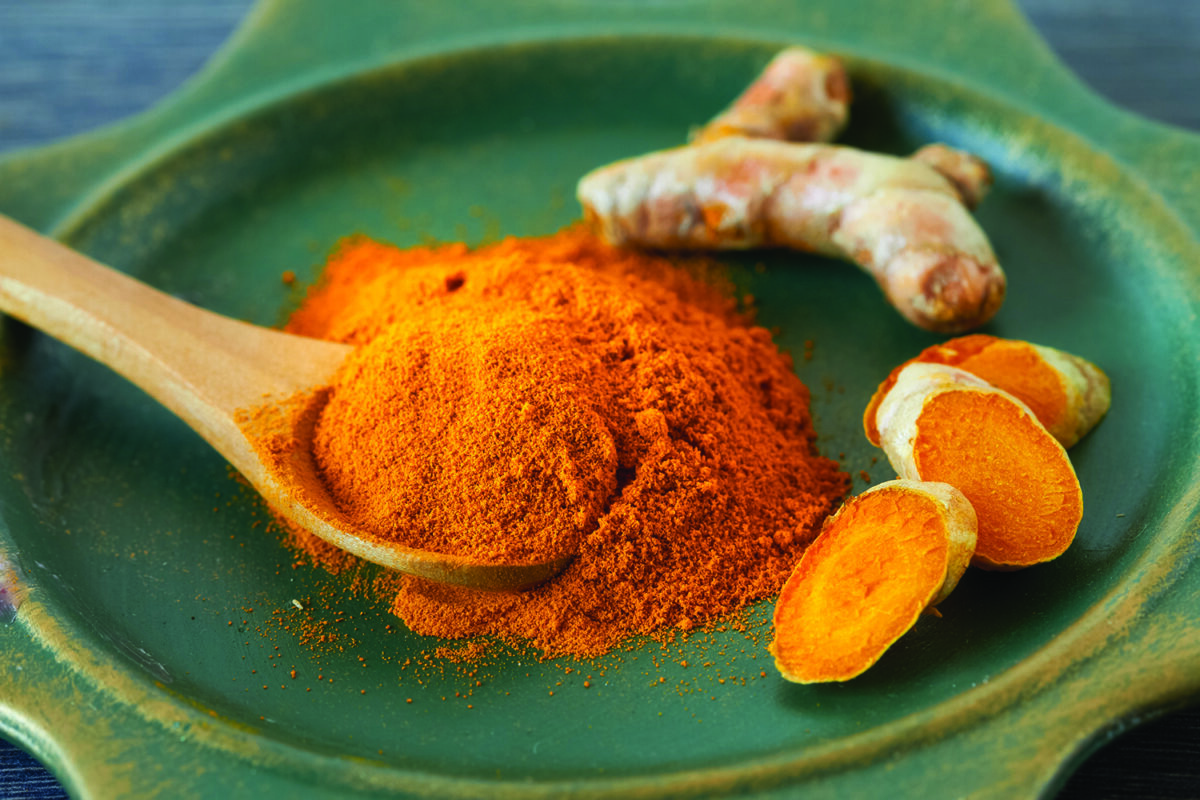
Turmeric is a spice that is closely related to ginger. You’ve probably encountered it if you like eating Indian food—it’s what gives many of these tangy dishes their orange-gold hue. It also is used in traditional Chinese and Ayurvedic medicine. In the former, turmeric is believed to invigorate the blood and ease pain, including painful joints. In the latter, the spice is used to purify the blood and boost digestion.
The active ingredient in turmeric is curcumin—it gives turmeric its yellow color and likely is responsible for any biological effects it may have on the body. And those benefits may be broad.
Research has suggested that curcumin is a potent antioxidant, for example. “Antioxidants are plant compounds that can neutralize free radicals, naturally occurring molecules that contribute to inflammation in the body,” says Mount Sinai nutrition consultant Fran C. Grossman, RD, MS, CDCES, CDN. “Inflammation plays a role in arthritis, and some small studies have shown that curcumin supplements may reduce osteoarthritis pain. Studies also have indicated that curcumin might help regulate blood sugar and balance cholesterol.”
Grossman adds a word of warning, though: If you’re taking prescribed medications to control high blood sugar and high cholesterol, don’t stop taking them in favor of dietary supplements that promise to regulate these health metrics naturally. Some trials also have pointed to possible memory benefits in older adults taking curcumin supplements, but other research has found no cognitive benefit. Low doses of curcumin may help protect against mild gastroesophageal reflux disease (GERD), but this benefit is lost with very high doses.
Can Turmeric Help with Weight Loss?
Yes, turmeric may have other health benefits, but does turmeric help you lose weight? The studies examining turmeric and weight loss have produced mixed results. And those studies have primarily explored curcumin for weight loss more so than the turmeric spice. “If it helps at all, the benefit is likely to be minimal,” Grossman says. “Unfortunately, you’re not likely to see any increased weight loss by visiting your favorite Indian restaurant more often.”
Some data suggest that curcumin may help decrease fat accumulation and slow the formation of new fat cells. That sounds encouraging until you consider the fact that these were mainly lab and animal studies. “There isn’t any really solid research carried out in people,” Grossman observes. “Most clinical studies analyzing weight-related benefits have not enrolled many people and haven’t had the kind of long follow-up period that produces a clearer picture of how well an intervention works—or doesn’t.”
Another thing to keep in mind is that the studies on curcumin for weight loss that do suggest a benefit have been carried out mainly in younger people. “There aren’t any trials that have looked at how curcumin supplements might help older adults manage their weight,” Grossman says. “That’s important, because older people are the age group most likely to be taking conventional medications that may interact with dietary supplements, including curcumin supplements.”
How to Take Turmeric
If you are considering taking turmeric, Grossman recommends using the powdered form sold in the spice aisle at your local grocery store. It’s easy to add it to stir fries, scrambled eggs, curries, and even smoothies. “Sprinkling it on warm milk, along with cinnamon, ginger, and black pepper, provides a warming pick-me-up during colder months, and you also can steep turmeric root in hot water to make tea,” she adds.
Keep in mind that turmeric has poor bioavailability (the amount of nutrients that are absorbed by the body), but you may be able to absorb more if you consume black pepper at the same time (hence Grossman’s advice to add some to that warm, delicious milky drink). Healthy fats (think avocados, extra virgin olive oil, peanut butter, nuts, and seeds) also can improve absorption.
You’ll get the most curcumin from supplements, which provide doses closer to those that have been studied.
How Much Turmeric Should You Take?
The U.S. Food & Drug Administration (FDA) has not established a recommended turmeric dosage for weight loss or any other purpose, but the World Health Organization recommends consuming no more than 3 milligrams (mg) per kilogram of body weight per day. Given how difficult it is to absorb curcumin before it is excreted from the body, studies usually have significantly increased this limit—up to as high as 2,000 mg per day—but don’t be tempted to do so yourself without consulting your doctor.
“There is a tendency for people to assume that dietary supplements are safe because they are ‘natural,’ but they may cause problems if taken to excess,” Grossman cautions. “If you are considering taking any dietary supplement, including vitamins, or any herbal remedies, always mention it to your doctor.”
Side Effects and Safety Risks
Consuming turmeric through food probably won’t cause any ill effects, but taking megadoses of curcumin or turmeric for weight loss can result in side effects including nausea, diarrhea, and bloating (in fact, you shouldn’t exceed the dose of any supplement you take).
Research also links large doses taken over a prolonged period to a greater risk for GERD, stomach ulcers, kidney stones, and gallstones. Liver damage also has been seen in some studies, although the risk was very low. Curcumin also may interfere with blood clotting. That’s another key reason to tell your doctor if you take this supplement, since you probably will need to stop taking it prior to any surgeries.
Another issue is that the quality of dietary supplements can vary. “They’re not regulated by the FDA in the same way that conventional drugs are,” Grossman notes. “This means there often is a lack of quality control at the manufacturer level.”
Research has suggested that dietary supplements often contain contaminants, including pesticides and herbicides, and may contain much more or much less of their active ingredients than what are listed on the label. Take a pill that includes more and you may be at greater risk for side effects and drug interactions.
Who Should Avoid Turmeric Supplements?
Turmeric is safe to use in cooking, and curcumin supplements are safe for healthy older adults who do not exceed the recommended dose and get the go-ahead from their doctor before taking the supplement.
But there are some older adults who need to be on guard for turmeric side effects and contraindications. “Because curcumin may interfere with blood clotting, you shouldn’t take it in supplement form if you take blood thinners or have a bleeding disorder,” Grossman advises. “Taking diabetes medications is another red flag, since curcumin may enhance the effect of these drugs.”
Also steer clear if you are taking iron supplements for anemia (supplementing curcumin may interfere with iron absorption), have ever been diagnosed with gallstones or kidney stones, or you have liver disease.
Tips for Choosing a Turmeric Supplement
If your doctor says it’s safe for you to take a turmeric or curcumin supplement, look for products that include black pepper, which helps with absorption. Black pepper often is listed as “piperine” on the label.
Also look for evidence of quality control during the manufacturing process. You can best do this by sticking to supplements that have been approved by independent organizations like the U.S. Pharmacopeia, which tests supplements for strength and purity.
Does Turmeric Really Help You Lose Weight?
If there are any turmeric benefits for weight loss, Grossman reckons they probably are indirect. “Say a person has osteoarthritis pain that is impeding their ability to exercise, and a lack of physical activity is contributing to their weight issue,” she says. “If that person experiences some pain relief by taking curcumin, she might be able to exercise more and might lose some weight due to the increased physical activity.”
But overall, Grossman emphasizes that if you are looking to lose weight, turmeric or curcumin supplements aren’t going to be as effective as combining healthy eating and portion control with increased physical activity. Try to pack your diet with fruits, vegetables, whole grains, and healthy fats, and cut back on red meat, full-fat dairy, junk/fast food, and sweets. Aim to meet federal exercise guidelines (at least 150 minutes per week of moderate-intensity physical activity or at least 75 minutes per week of vigorous physical activity), combined with strength-training exercises on at least two (nonconsecutive) days per week. “If you aren’t used to exercising, start low and build toward these targets,” Grossman advises.