You probably know that reducing sodium intake is a key part of preventing or managing hypertension (high blood pressure). Hypertension is a cardiovascular risk factor, raising the risk of stroke, heart attack, and chronic kidney disease, among other health problems.
While excessive sodium intake can contribute to hypertension in salt-sensitive individuals, it’s also vital to get enough potassium in your diet. Just keep in mind that unless your health-care provider recommends a potassium supplement to meet your needs, it’s best to get this important nutrient from foods instead.
How Potassium Levels Affect Sodium
Everyone needs some sodium, but getting too much of it in your diet causes your body to retain water and other fluids in the blood. This rise in fluids increases blood volume, which in turn raises blood pressure and adds stress to your heart and blood vessels.
Like sodium, potassium is a mineral and electrolyte, but it helps to reduce the effects of sodium—the more potassium you consume, the more sodium is excreted from the body in urine. Potassium also helps to relax blood vessel walls and, in the process, aids in lowering blood pressure.
Because having too much potassium in the blood can cause serious heart problems, your body is focused on keeping blood potassium levels in a normal range. When you consume a lot of potassium in your diet, your kidneys excrete not only more salt and water, but also excess potassium. When you don’t get enough potassium, the body reabsorbs more sodium. Because of the kidneys’ role in removing excess potassium from the body, people with chronic kidney disease often have to stick to low-potassium foods.
How Much Potassium Per Day?
Potassium has been designated as a “nutrient of public health concern” because most people don’t get enough of it. The National Academy of Medicine (formerly the Institute of Medicine) recommends that adults get 4,700 milligrams (mg) of potassium per day, but the average daily intake in the United States is about 2,290 mg for women and 3,026 mg for men. To put this in perspective, it’s estimated that prehistoric individuals consumed as much as 15,000 mg of potassium per day—all from food.
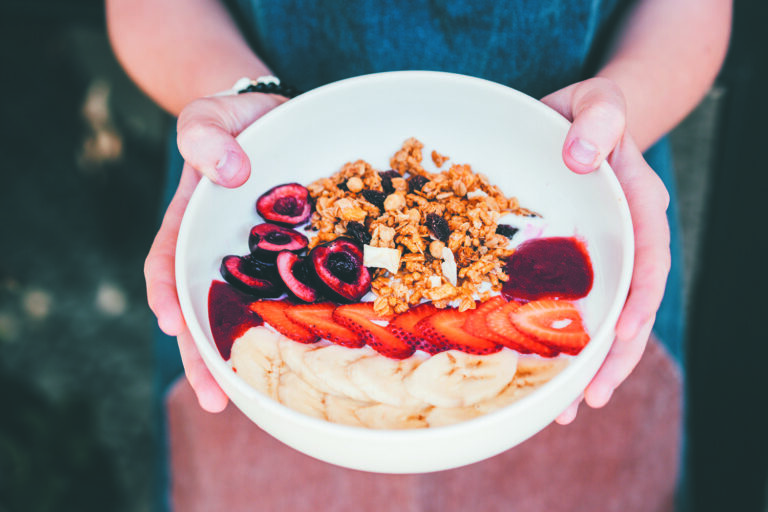
Many fruits and vegetables are high in potassium, with avocados, bananas, potatoes, and vegetable juices being some of the richest sources. Milk, yogurt, nuts, whole-wheat bread, brown rice, and many beans and legumes are also good sources of potassium.
The Dietary Approaches to Stop Hypertension (DASH) studies examined the effects of consuming a diet rich in vegetables, fruits, and low-fat dairy foods. While this diet wasn’t specifically designed to be high in potassium, it naturally is. Researchers found that the DASH diet lowered blood pressure regardless of whether participants consumed low, medium, or high quantities of sodium. In fact, the diet had the greatest impact among people consuming the highest amounts of sodium.
What About a Potassium Supplement?
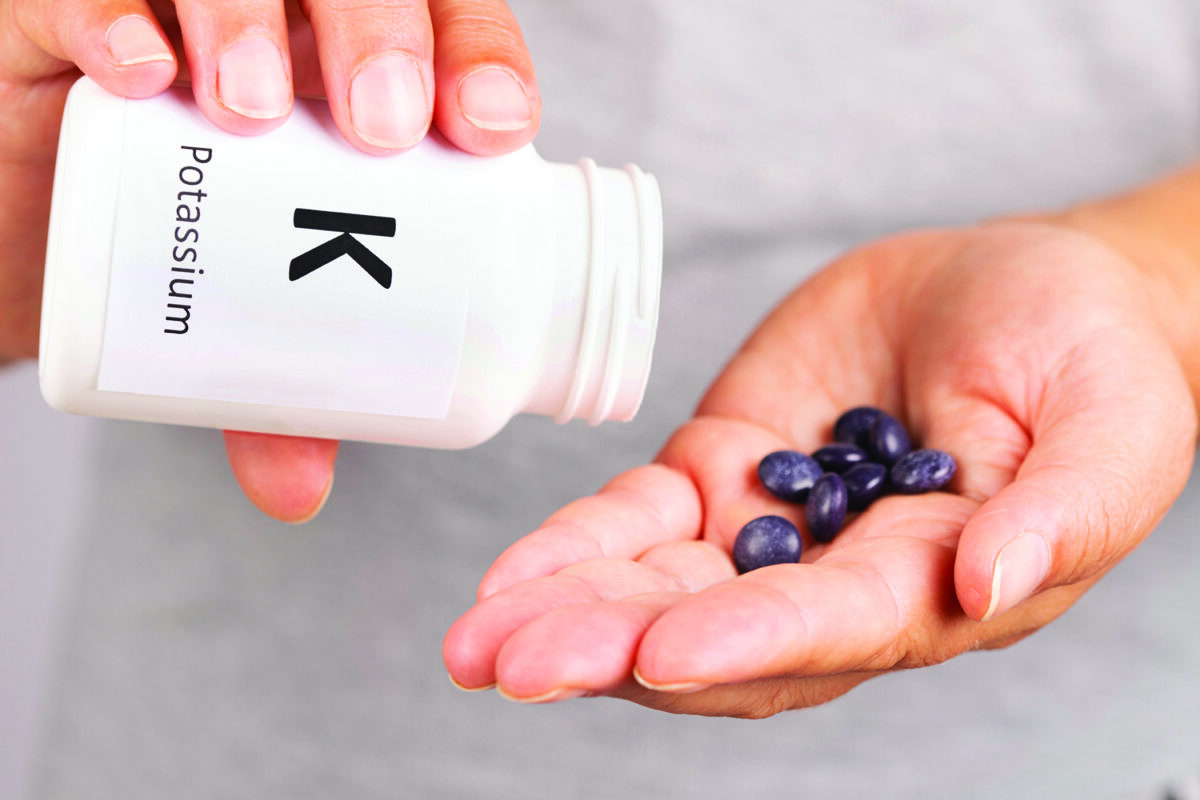
Since most Americans fall short of meeting dietary potassium recommendations, it’s reasonable to wonder whether potassium supplements might help.
However, for most healthy people, potassium is best obtained from food rather than supplements. One reason why is that potassium-rich foods provide other important nutrients that supplements do not, such as fiber, vitamins, antioxidants, and other beneficial compounds that support heart health and overall well-being.
Potassium supplements can pose risks if used improperly. Excessive potassium intake—especially from supplements—can lead to dangerously high blood potassium levels, a condition known as hyperkalemia. Hyperkalemia can trigger potentially fatal abnormal heart rhythms, or arrhythmias.
The risk of hyperkalemia is higher for people with kidney disease, diabetes, or heart failure, older adults, and individuals taking certain blood pressure medications, such as angiotensin-converting enzyme (ACE) inhibitors (examples include benazepril, captopril, enalapril, lisinopril, quinapril, and others), angiotensin receptor blockers (ARBs, such as candesartan, losartan, valsartan, and others), and potassium-sparing diuretics (e.g., amiloride, eplerenone, spironolactone, triamterene). For this reason, over-the-counter potassium supplements in the U.S. are limited in dose and provide only a small amount of potassium per serving.
The Bottom Line
In some cases, a health-care provider may recommend a potassium supplement, such as for individuals who develop low potassium levels while taking certain diuretics. However, supplements should be used only under medical guidance. For most people, building meals around potassium-rich foods is the safest and most effective way to increase potassium intake.
Most Americans don’t eat enough fruits and vegetables, and as a result, they don’t get enough potassium. Diets containing too many restaurant meals and highly processed foods tend to be high in sodium and low in potassium. Cooking more meals at home using whole and minimally processed foods—and including fruits or vegetables at every meal and snack—can help increase potassium intake while naturally lowering sodium, thereby supporting healthier blood pressure and long-term heart health.