Perimenopause and menopause are natural life stages, but the changes that come with them can feel anything but simple. Shifts in hormones can affect sleep, mood, energy, bone strength, and how your body handles stress.
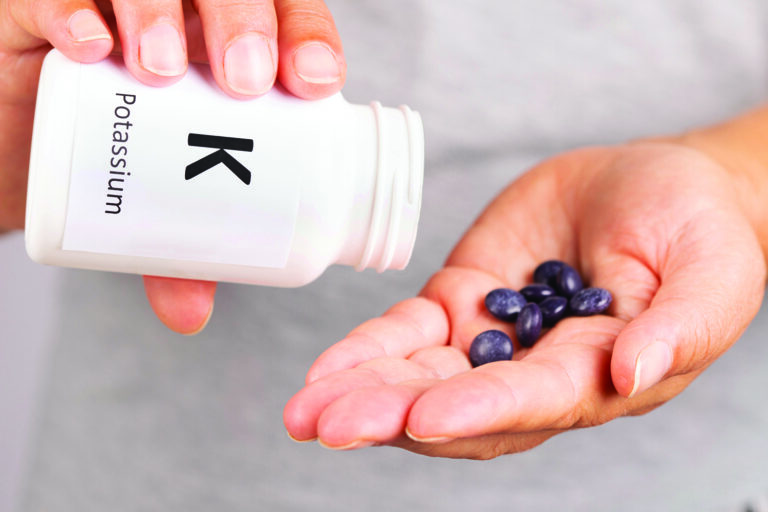
Although perimenopause supplements can’t “fix” these changes, some may offer support alongside healthy daily habits like good nutrition, movement, and rest. Here’s a look at some key components you can get from food or perimenopause supplements that may help.
What Is Perimenopause?
Perimenopause is the transitional period before menopause when your reproductive years near their end and your menstrual cycle becomes irregular due to reductions in estrogen and other hormones. Women usually enter perimenopause in their mid-40s, but some experience it earlier in life. Perimenopause typically lasts for two to eight years before your periods stop permanently. Once you’ve gone 12 months without a period, you transition from perimenopause to menopause.
Women in perimenopause can experience one or more symptoms associated with this transition to menopause, such as irregular or skipped periods or periods that are lighter or heavier than normal. Other potential symptoms include:
- Hot flashes
- Mood changes
- Night sweats
- Sleep disruption
- Reduced sex drive
- Vaginal dryness
- Increased urination
Perimenopause Supplements for Bone Health
Your bones go through a constant process of breakdown and formation. Estrogen helps to slow bone breakdown while promoting bone formation. But, as estrogen levels fall during perimenopause and menopause, bones can lose strength more quickly. Two nutrients—calcium and vitamin D—are especially important during this time.
Calcium is vital for bone health, but since your body cannot produce calcium on its own, you have to get it from food or supplements. Experts recommend that women ages 50 and younger and men ages 70 and younger get 1,000 milligrams (mg) of calcium per day, while women ages 51 and older and men over 70 should get 1,200 mg daily. Good dietary sources of calcium include milk, yogurt, and other dairy products, fortified plant milks, leafy greens, and tofu.
When your diet falls short, calcium supplements may help fill the gap. (To help determine if you need a calcium supplement, talk to your physician and/or try the International Osteoporosis Foundation’s calcium calculator: iofbonehealth.org/calcium-calculator.) Check the supplement label for the amount of elemental calcium, the actual total calcium in the product. The two most widely available supplements are calcium carbonate (which contains about 40% elemental calcium) and calcium citrate (containing about 20% to 25% elemental calcium). You might need to take more (or larger) calcium citrate pills to gain the amount of calcium you need.
Vitamin D helps the body absorb calcium and maintain bone health. Many adults have low vitamin D levels, as measured by blood levels of 25-hydroxyvitamin D (25-OHD), which your body converts into an active form of vitamin D. Experts such as the Endocrine Society recommend maintaining a 25-OHD level of 30 nanograms per milliliter (ng/mL) or higher—the organization considers levels of 21–29 ng/mL as vitamin D insufficiency and below 20 ng/mL as deficiency.
The recommended dietary allowances for vitamin D are 600 international units (IUs) a day for adults up to age 70 and 800 IUs daily for those over age 70. However, these vitamin D amounts are widely considered to be too low, especially for people with vitamin D deficiency, so ask your doctor about your vitamin D requirements.
Many people can gain sufficient vitamin D by getting 10 to 15 minutes of sun exposure three times a week—your body produces vitamin D when the skin is exposed to the sun’s ultraviolet radiation. However, due to concerns about skin cancer from sun exposure, many experts recommend getting vitamin D from foods such as fortified milk and cereals, rainbow trout, salmon, and white mushrooms.
Since dietary sources of vitamin D are limited, you may need a supplement to meet your needs. Choose products containing vitamin D3, which can produce and maintain target blood vitamin D levels more effectively than vitamin D2. Also, take vitamin D with your largest meal of the day, as doing so may improve its absorption.
Perimenopause: Help from Omega-3s
Omega-3 fatty acids are polyunsaturated fats that your body needs but cannot produce on its own. They may benefit your heart and blood vessels, support brain health, and help with mood and inflammation.
Diets and supplements rich in the primary omega-3s—eicosapentaenoic acid (EPA) and docosahexaenoic acid (DHA)—have been shown to reduce triglycerides, a type of fat in the blood associated with increased cardiovascular risk. Many people have opted for fish oil supplements to obtain these omega-3s, but concerns have arisen after studies linked high intakes of omega-3s with an increased risk of atrial fibrillation, a common abnormal heart rhythm associated with a greater risk of stroke.
So, as much as possible, get omega-3s from your diet. Good dietary sources of EPA and DHA include fatty fish such as salmon, mackerel, herring, trout, sardines, and tuna. The American Heart Association recommends eating at least two 3-ounce servings of fish, particularly fatty fish, each week. You also can get omega-3s from plant sources such as flaxseed, walnuts, chia, and soybeans (and their oils). These foods contain alpha-linolenic acid (ALA), which your body can convert in small amounts to EPA and DHA.
Better Sleep and Calmer Days
Trouble sleeping is one of the most common complaints in perimenopause. Several supplements may help with sleep:
Magnesium may help relax muscles and support deeper sleep, especially when taken in the evening. It can also play a role in stress management and overall nervous system health.
Recommended intakes for magnesium are 320 mg a day for women and 420 mg daily for men. Good dietary sources of magnesium include pumpkin seeds, almonds, dark chocolate, spinach, and quinoa.
In older adults, magnesium—particularly magnesium citrate and magnesium glycinate—has been shown to shorten the time it takes to fall asleep and improve sleep quality and daytime function. You may be more likely to gain these benefits if you have underlying magnesium insufficiency.
Melatonin, a hormone that helps regulate sleep cycles, can sometimes be useful for perimenopausal sleep problems, some research suggests. Lower doses (1 mg or less) taken two to four hours before bedtime are recommended. Higher doses may cause daytime grogginess.
B vitamins help the body make energy and support the nervous system. While they are not menopause-specific, correcting low levels may improve fatigue, brain fog, and low mood.
Managing Hot Flashes Naturally
Some women find relief from hot flashes by taking phytoestrogens, plant compounds that have estrogen-like effects in the body. They include isoflavones (from soy, legumes, and lentils), lignans (found in flaxseed and vegetables), and coumestans (found in bean sprouts and sunflower seeds). Soy isoflavones are the best-studied and may slightly reduce hot flash frequency for some people. (Some data suggest that omega-3 fatty acids also may help with hot flashes.)
Black cohosh, a North American woodland herb, is another popular herbal option. One investigation, a review of 22 studies, found that black cohosh was potentially beneficial for improving hot flashes and overall menopause symptoms but not anxiety or depressive symptoms, according to the National Center for Complementary and Integrative Health.
A concern about black cohosh and other dietary supplements is that they do not undergo the same regulatory scrutiny as conventional pharmaceuticals, so there’s no guarantee of the efficacy, purity, and safety of a given product. In fact, some research has raised concerns about the quality of some supplements (see “Before You Buy”). Plus, be aware of potential interactions that supplements can have with any medications you take. Overall, choosing a high-quality product and checking with a health-care provider are important.
Perimenopause Supplements: The Big Picture
Supplements work best as part of a bigger lifestyle picture. Eating well, staying active, managing stress, and getting enough sleep matter just as much—if not more. Before starting new supplements, it’s wise to review your medications and health history with your health-care professional and, when possible, check for nutrient deficiencies.
Menopause is a transition, not a problem to fix, and thoughtful support can make the journey feel a little easier.