Eating more fruits and vegetables has long been a cornerstone of healthy eating, but the variety of plant foods may matter as much as the quantity. That’s the idea behind the increasingly popular recommendation to eat 30 plants a week.
The concept originated with a 2018 study published in mSystems that included more than 10,000 volunteers. Researchers found that people who ate more than 30 different plant foods each week had greater gut microbiome diversity than those who ate fewer than 10.
“This is consistent with the extensive scientific literature supporting more generally that plant-based diets and dietary plant components such as fiber and polyphenols have beneficial effects on the gut microbiome,” says Jonathan P. Jacobs, MD, PhD, a gastroenterologist and physician-scientist at UCLA Health.
What Does “30 Plants a Week” Mean?
The 30-plants-a-week approach encourages eating 30 types of plant foods over seven days. That total can come from a wide range of sources. “Beans, whole grains, nuts, seeds, herbs, and spices all contribute to the total,” Dr. Jacobs says. The goal is to get a wide variety of plant foods.
For example, eating a banana every day counts as one type of plant, but putting that banana on oatmeal with cinnamon and flax seeds takes a simple breakfast up to four plants. Dr. Jacobs notes that although the 30-plant approach emphasizes variety, the broader research on plant-based diets suggests that quantity also matters, particularly when plant foods replace highly processed foods.
Why Plant Diversity Matters
Your digestive tract contains trillions of microorganisms, including bacteria, viruses, and fungi, collectively known as the gut microbiome. These microorganisms help digest foods, produce compounds that influence health, and interact with the immune system. Different microorganisms thrive on different nutrients. Plant foods provide fiber, polyphenols, and other compounds that can support a wider range of beneficial microbes, which, in turn, supports better gut health.
In the 2018 American Gut Project study, researchers discovered that people consuming more than 30 types of plants weekly had significantly different gut microbial communities compared with those consuming fewer than 10.
“This included higher overall microbial diversity and increased levels of certain gut microbes, such as F. prausnitzii, that are thought to have beneficial properties,” Dr. Jacobs says. F aecalibacterium prausnitzii is a bacterium associated with the production of butyrate, a short-chain fatty acid that helps nourish cells lining the colon. A subsequent study published in Nature Medicine also found associations between dietary patterns, plant foods, and beneficial gut microbes.
Both of these studies were observational, so they showed an association between dietary variety and microbiome diversity, but they cannot establish causality. More recent intervention studies are beginning to dig deeper. Dr. Jacobs points to a small pilot study published in Clinical Journal of the American Society of Nephrology that suggested a dietary intervention targeting more than 30 plants weekly might help reduce certain uremic toxins in people with kidney disease. He also cites a randomized trial involving 399 adults that investigated a supplement containing 30 different plants.
“This blend was associated with shifts in some gut microbes and improvement in gastrointestinal symptoms (e.g. reduced constipation and flatulence) as well as subjective measures (energy and happiness),” Dr. Jacobs says. These findings are encouraging, but they don’t establish that the same benefits will occur in everyone who eats 30 different plants each week.
What Counts Toward 30 Plants a Week?
One of the appealing aspects of the 30-plants-a-week approach is that you don’t need to buy expensive specialty products or rely exclusively on fresh produce. There are many common foods that qualify:
- Fruits, such as apples, oranges, bananas, blueberries, strawberries, grapes, pears, and peaches
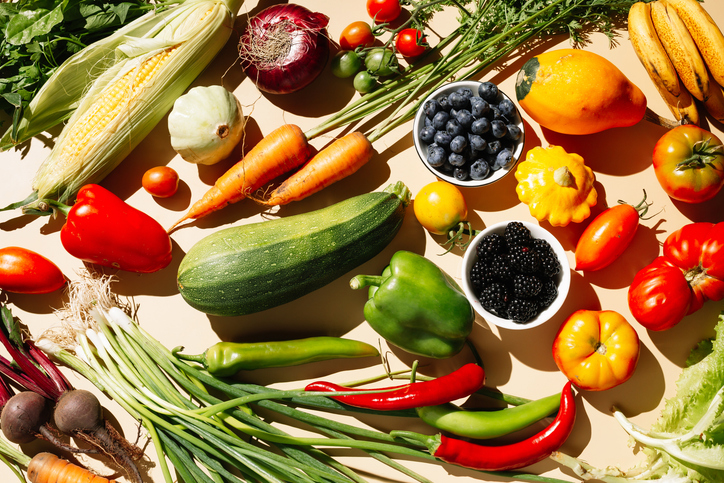
- Vegetables, including broccoli, carrots, spinach, tomatoes, onions, bell peppers, zucchini, and sweet potatoes
- Legumes, such as black beans, chickpeas, lentils, kidney beans, peas, and soybeans
- Whole grains, including oats, barley, quinoa, brown rice, whole wheat, and buckwheat
- Nuts and seeds, such as almonds, walnuts, pistachios, peanuts, chia seeds, flaxseeds, and pumpkin seeds
- Herbs and spices, including basil, oregano, parsley, rosemary, thyme, cinnamon, turmeric, and cumin
Each distinct plant food can contribute to the total, even when consumed in relatively small amounts. For example, a bowl of oatmeal topped with blueberries, walnuts, and cinnamon provides four different plant foods. A vegetable soup containing carrots, onions, celery, tomatoes, lentils, and parsley adds six more. Herbs and spices are especially useful because they allow you to introduce additional plant compounds without substantially changing what you eat. Dr. Jacobs notes that most ingredients in one recently studied 30-plant blend were nuts, seeds, herbs, and spices.
There are some gray areas. Different varieties of the same plant, such as red and green apples, are generally counted as one plant type, while different species, such as almonds and walnuts, count separately. Refined plant-derived products, such as sugar and oil, don’t provide the same nutritional benefits as whole plant foods and generally aren’t included. The goal is to broaden your diet, not spend time debating every ingredient.
How to Reach 30 Plants a Week
For someone who typically eats only a handful of different fruits and vegetables, reaching 30 may seem daunting. But Dr. Jacobs recommends starting with changes that are manageable rather than immediately trying to meet a numerical target.
“A good starting point is to reduce processed foods as much as possible and to introduce whichever plant-based foods are appealing without worrying about plant diversity,” he says. Once you’ve established a routine that includes more whole foods, try gradually introducing additional plants.
Build variety into familiar meals
Mix several vegetables into pasta sauce, soup, or an omelet.
Use herbs and spices
Season vegetables with rosemary, thyme, or paprika. Add cumin to beans, cinnamon to oatmeal, or basil to pasta.
Rotate your produce
If you usually buy apples and bananas, try pears, oranges, or berries the following week. Choose different vegetables when shopping.
Keep pantry and freezer staples available
Frozen berries and vegetables, canned beans, lentils, oats, nuts, and seeds make it easier to add variety without frequent shopping trips.
Add one new food at a time
Trying unfamiliar ingredients gradually allows you to discover foods you genuinely enjoy and are likely to eat regularly.
Aim for a rainbow
Build meals that feature many different colors, For example, try a grain bowl with red tomatoes, orange carrots, yellow bell peppers, green lettuce, and purple potatoes over a bed of quinoa.
“Having whole foods of many different colors is a straightforward visual cue for high diversity of plants in your diet,” Dr. Jacobs says. If you’re not accustomed to eating much fiber, increase your intake gradually to reduce bloating and gas.
Sample Meals
You don’t have to prepare elaborate dishes to reach 30 plants a week. A few simple combinations can add substantial variety to your diet.
- Breakfast: Oatmeal topped with blueberries, strawberries, walnuts, chia seeds, and cinnamon. (six plants)
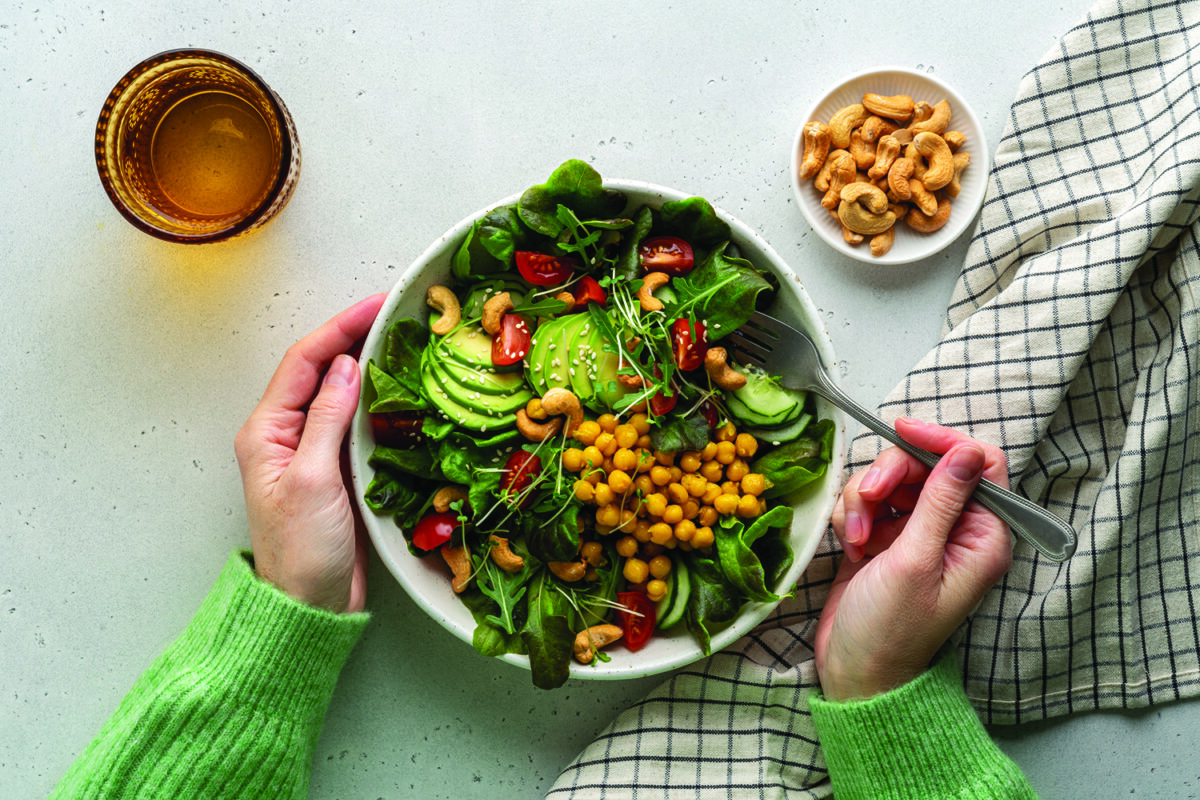
- Lunch: Chickpea and quinoa salad with quinoa, chickpeas, spinach, cucumber, tomatoes, bell peppers, and parsley. (seven plants)
- Dinner: Rice and bean bowl with brown rice, black beans, broccoli, carrots, sweet potatoes, avocado, and cilantro. (seven plants)
- Snacks: Munch on an apple, pear, orange, almonds, and pumpkin seeds throughout the day. (five plants)
Together, these meals and snacks provide 25 different plant foods in a single day. Adding just five more plants over the next six days would bring the weekly total to 30. You wouldn’t need to eat this much variety every day; the goal is to accumulate different foods throughout the week.
Common Mistakes or Misconceptions
One common misconception is that eating 30 plants requires 30 full servings of fruits and vegetables. The original research focused on the number of different plants consumed, not the amount of each.
Perhaps the biggest mistake is becoming so focused on counting plants that the overall quality of the diet gets overlooked. Dr. Jacobs points out that the original American Gut Project findings compared people eating more than 30 plants with those eating fewer than 10. Those consuming very limited plant variety also may have diets higher in processed foods. That makes it difficult to determine how much of the observed difference is attributable specifically to the number of plants consumed.
The practical message is to emphasize whole foods, gradually expand your choices, and choose foods you enjoy enough to eat consistently. In the words of Michael Pollan, a best-selling author and noted nutrition and environmental journalist, “Eat food. Not too much. Mostly plants.”