You’re probably familiar with calcium’s importance for your bones and teeth. It also plays an important role in the normal function of your muscles, nerves and heart.
But you’re probably less aware that calcium can be used to identify heart disease. Calcium buildup inside the walls of the heart’s major blood vessels—a process known as coronary artery calcification—is an indicator of atherosclerotic cardiovascular disease and your heart attack risk.
Imaging studies that detect these calcium deposits can provide you with a snapshot of your cardiovascular health and guide you and your doctor in making decisions about initiating medical therapy. They also can serve as a powerful motivator for you to improve your heart health.
“Coronary artery calcification is a good marker of the risk for future cardiac events,” explains Ashish Sarraju, MD, a Cleveland Clinic preventive cardiologist. “It’s a good marker for selecting patients who are good candidates for statins or other aggressive risk-lowering measures if you’re uncertain to begin with.”
What Is Coronary Artery Calcification?
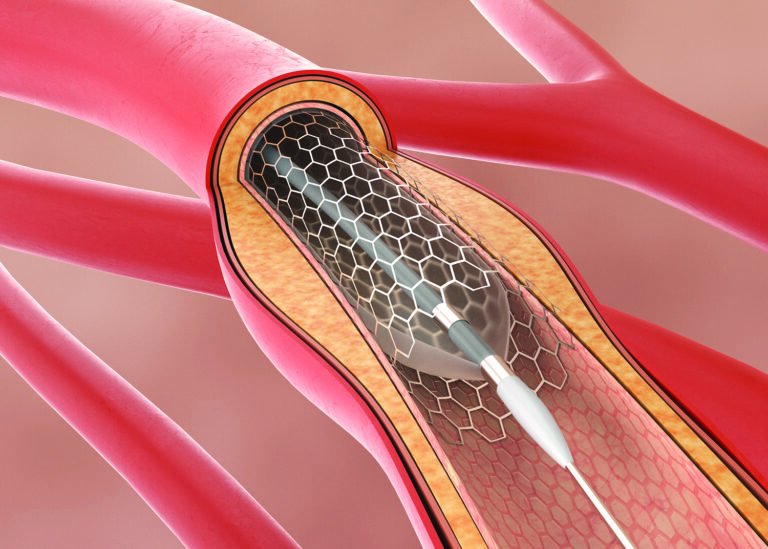
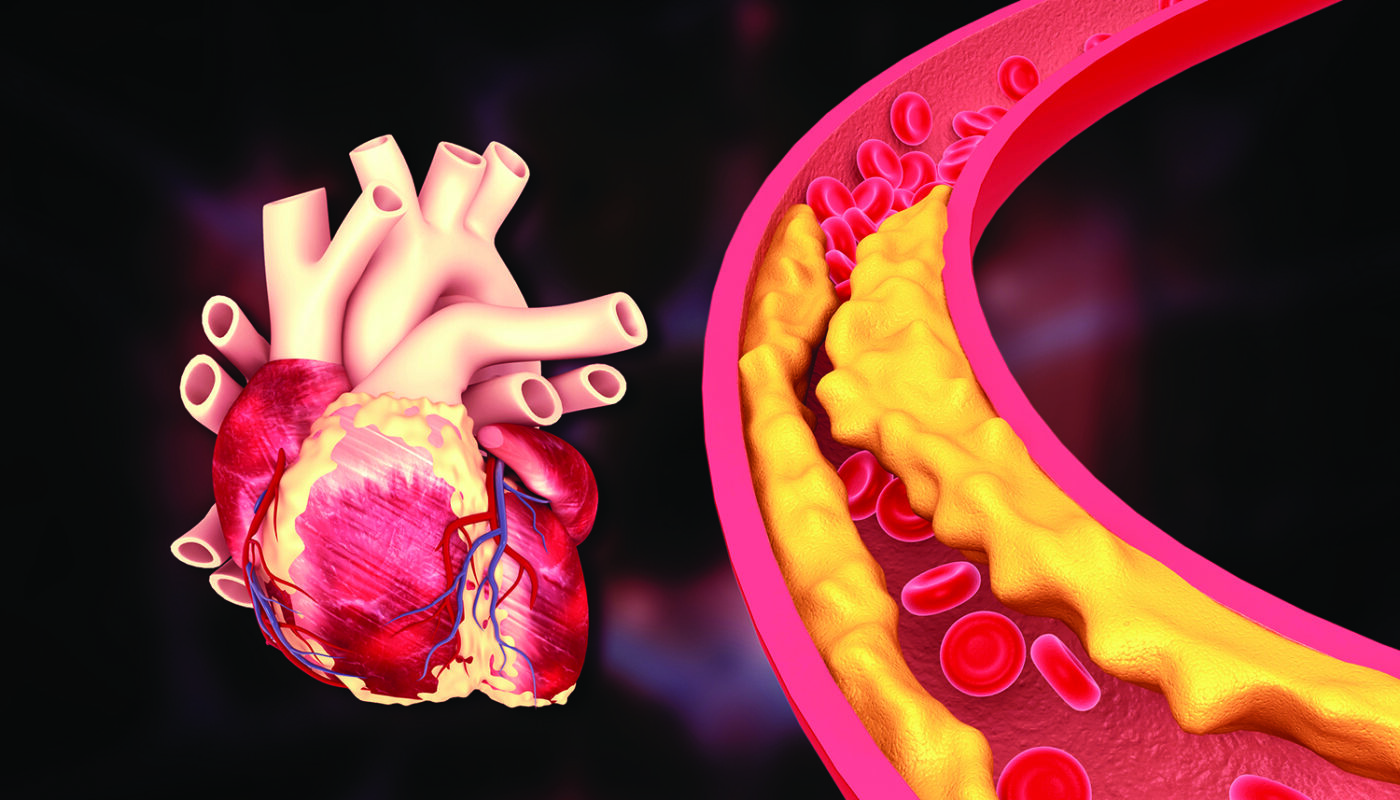
Coronary artery disease is characterized by the formation and accumulation of fatty atherosclerotic plaques in the arteries supplying blood to the heart muscle. These plaques can grow large enough to narrow an artery and restrict blood flow to areas of the heart. Or, if an unstable plaque ruptures and spills its contents into the bloodstream, it can prompt the formation of a blood clot that can block the artery completely and cause a heart attack.
To help stabilize the plaque, the body responds by depositing calcium inside or overtop of it. By the time a plaque becomes calcified, it has been residing in the arterial wall for years.
“Coronary artery calcification is just part of the evolution of atherosclerotic plaque,” Dr. Sarraju says. “It’s a healing or stabilizing response to arterial damage and plaque buildup and inflammation.”
Although these calcified plaques are generally considered less risky than their softer, unstable counterparts, the degree of coronary artery calcification provides your physician with an idea of how much of the more dangerous plaque is present in your arteries.
“Guidelines recommend using coronary artery calcifications as a marker of overall plaque burden,” Dr. Sarraju says. “These calcified plaques are more likely to represent stable plaques that are less likely to suddenly rupture and cause heart attacks. But if you have a lot of coronary artery plaque that’s calcified, you probably have plaque at other stages of development.”
Causes and Risk Factors
The same factors that contribute to coronary artery disease are, by extension, the same that lead to coronary artery calcification, such as hypertension, lipid (cholesterol) abnormalities, diabetes, smoking, obesity, and chronic kidney disease. A family history of premature cardiovascular disease or diabetes, genetic conditions that predispose you to abnormally high cholesterol levels (familial hypercholesterolemia), and advancing age also are key risk factors for developing calcifications.
Advancing age is another significant risk factor: More than 90% of men and about two-thirds of women over age 70 have some degree of coronary artery calcification.
Symptoms and Warning Signs
Many people with coronary artery calcification experience no symptoms. However, as plaques grow and narrow the coronary arteries over time, blood flow to the heart muscle can be restricted, producing symptoms such as stable angina—a sensation of pain, pressure, squeezing, or tightness in the chest that can radiate to the arms, neck, back, and jaw—especially during exertion.
Other potential symptoms of coronary artery disease include shortness of breath (particularly with stress or exertion), fatigue, and/or dizziness.
How Coronary Artery Calcification is Diagnosed
To detect calcifications, your physician will recommend coronary artery calcium (CAC) scoring, which uses computed tomography (CT) imaging to assess the number, size, density, and distribution of calcified plaques in your coronary arteries. That information is used to generate a score, known as an Agatston score, that assesses the severity of coronary artery disease (see “Calcium Scoring Results”).
CAC scoring is noninvasive, and aside from the exposure to radiation from the cardiac CT scan—the amount from one test is the same as that from a mammogram and comparable to the amount of natural radiation exposure you experience over the course of a year—it carries no real risks.
Generally, CAC scoring should be used when it can influence clinical management decisions, such as whether to initiate treatment with cholesterol-lowering statins—atorvastatin (Lipitor) and rosuvastatin (Crestor) are examples. As such, CAC scoring is not recommended if you have a history of heart attack, have cardiac stents, or have known plaque and are already on maximal lipid-lowering therapy, Dr. Sarraju says.
The American College of Cardiology and American Heart Association recommend that CAC scoring be reserved for individuals whose risk of experiencing major adverse cardiovascular events is borderline (3% to 5%) or intermediate (5% to 10%). In this setting, CAC scoring can fine-tune and sometimes reclassify someone’s cardiac risk level. It’s also an option for people in whom a decision about starting statin therapy remains unclear.
“Those borderline to intermediate patients who have therapeutic uncertainty are a good population to use a coronary artery calcium score to get a sense of whether statin therapy is indicated at that moment,” Dr. Sarraju says. “Or, if a patient strongly prefers to defer statin therapy, a coronary artery calcium score can give us some short-term reassurance about the safety of doing that.”
While older adults would be expected to have an Agatston score above zero, people in their 20s or 30s would be expected to have little to no calcification, so a higher score could be more concerning, Dr. Sarraju says. Interpreting CAC scoring is nuanced, he adds, so the results should be considered along with your age, risk level, and other risk factors and explained to you by a skilled physician who can help you understand their significance.
“We have to interpret it very carefully in the context of the individual patient,” Dr. Sarraju says. “That’s an important message because these days a lot of people are aware of coronary calcium scores and are thinking about getting them, but I always urge thoughtfulness in interpreting them. Otherwise, if you look at a certain score, it may lead to false reassurance or an unnecessary amount of anxiety if you don’t put it in context.”
The coronary artery calcium scan produces an Agatston score, which your physician can use along with other factors to identify coronary artery disease (CAD), assess your likelihood of a heart attack, and help guide treatment decisions. Here’s a look at what the scores mean:
- Zero: no evidence of CAD; very low risk
- 1–10: minimal evidence of CAD
- 11–100: mild evidence of CAD
- 101–400: moderate evidence of CAD
- >400: extensive evidence of CAD
CONSIDERATIONS
- CAC scoring is less likely to be useful for screening in adults over age 75 because some calcification is expected and many already qualify for risk-reduction strategies.
- If a CAC score is zero and no lipid-lowering therapies have been started, a repeat CAC score should generally be obtained in three to seven years.
- If a CAC score is nonzero, Dr. Sarraju finds little utility in repeating the test, especially if the score is higher than 100, because “we generally don’t expect scores to resolve or decrease.” And, if the score increases, it could be because older noncalcified plaques become calcified, not because new, dangerous plaque is forming.
Sources: Radiological Society of North America; Ashish Sarraju, MD, Cleveland Clinic
Treatment Options
Regardless of the extent of your coronary artery calcification found on a CAC scan, what’s key is that you respond appropriately. One important aspect of CAC scoring is that it can prompt you to take control of your cardiovascular health and intensify your risk-reduction efforts—for example, making heart-healthy lifestyle choices and taking statins and other lipid-lowering therapies, as well as medications to optimize your blood pressure, blood sugar, and other cardiac risk factors.
“I have patients who were unsure of whether they wanted to take statin therapies,” Dr. Sarraju says. “Getting the scan helped make that decision pretty clear, because their coronary artery calcium score was high enough that the risk-benefit ratio was clarified for them, and so it helped our conversations quite a bit.
“Looking at your own heart, looking at the calcium sitting in the coronary arteries, cuts through a lot of the noise you hear about medications,” he adds. “It really clarifies the picture. It’s no longer an abstract discussion of these concepts. You’re looking directly at your own heart. It’s powerful.”
Complications and Prognosis
Perhaps the most serious complication of coronary artery calcification occurs if a plaque grows large enough to fully obstruct a coronary artery and block blood flow to a section of the heart muscle, causing a heart attack.
What you learn from a CAC scan may be alarming, but understand that just because you have coronary artery calcification, that doesn’t mean you’re a “ticking time bomb,” Dr. Sarraju emphasizes. On the contrary, the results simply provide you with a glimpse of what’s been happening in your heart for years or decades, affording you the chance to alter the course.
“I tell my patients that if we start intensive lipid-lowering therapies or other therapies based on the coronary calcium score, that person’s risk is now better than it would have been if they hadn’t gotten the calcium score,” Dr. Sarraju says. “The calcium score didn’t increase the risk; it found out what risk was already there. Since the calcium score allowed us to implement preventive therapies, the prognosis is actually better than it would have been if you hadn’t come to us and hadn’t gotten this testing. The whole point of the calcium score is to improve your prognosis.”
Prevention and Lifestyle Modifications
Whether or not you have coronary artery calcification, follow these recommendations to help optimize the health of your heart and blood vessels:
- Adopt a heart-healthy eating pattern, such as the Mediterranean diet or the Dietary Approaches to Stop Hypertension (DASH) diet. Prioritize fruits, vegetables, legumes, whole grains, lean protein sources, and low-fat/fat-free dairy products, while limiting your intake of heavily processed foods, added sugars, sodium, and unhealthy fats.
- Aim to get at least 150 minutes of moderate-intensity physical activity, 75 minutes of vigorous activity, or a combination of the two each week. For many people, moderate-intensity activities include walking, biking, and swimming, while more vigorous activities may include running, jogging, playing racket sports, and hiking on hilly terrain.
- If you have diabetes and/or overweight or obesity, discuss the use of medications like semaglutide and tirzepatide, which can help you lose weight, manage your blood sugar, and, potentially, lower your cardiovascular risk.
- If you smoke, discuss nicotine replacement, medications, counseling and other cessation strategies with your health-care provider.
- Report any sleep problems, such as insomnia or obstructive sleep apnea, to your physician.
- Try meditation, calming baths, aromatherapy, or other coping strategies to help you manage anxiety and stress.