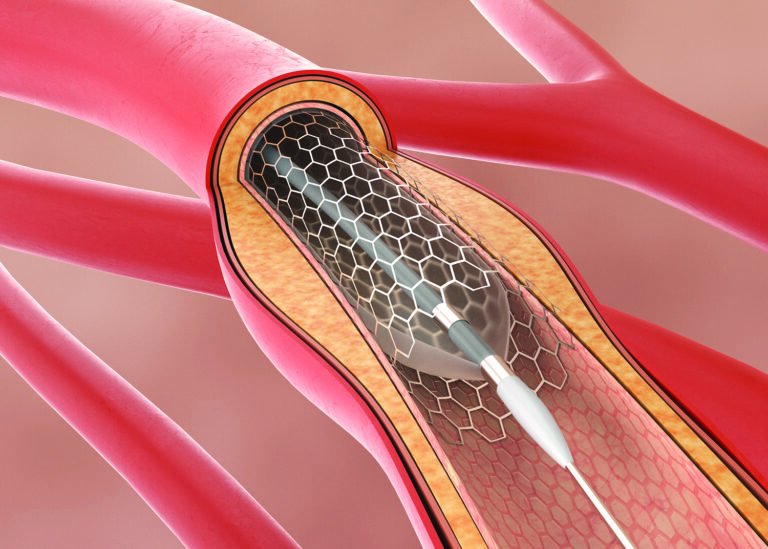
Cholesterol is one of many fats (lipids) that circulate in your blood and are necessary for proper cell functioning. When they exist in balance, all is well. But in the United States, about 25% of adults and 5% of adolescents have elevated levels of “bad” low-density lipoprotein (LDL) cholesterol, and one in 250 babies is born with genetically high cholesterol (familial hypercholesterolemia, or FH).
The lead role high cholesterol plays in atherosclerotic cardiovascular disease (ASCVD)—the primary cause of heart attack, stroke and death—has been proven. Lifestyle adjustments and medications can be used to lower high cholesterol and reduce these risks. But first, you have to know if your blood lipid levels are elevated.
The American College of Cardiology, American Heart Association (AHA) and nine other medical societies have issued guidelines for managing dyslipidemia (blood lipids that are out of balance). These guidelines discuss the place of new therapies, a better method for determining ASCVD risk, and what individual goals for LDL cholesterol and other lipids should be. Statins are the basic medication for lowering LDL cholesterol, but there are now other options.
“Lowering your cholesterol will not only reduce your risk of heart attack and stroke, but of vascular dementia, too. And you will live longer,” says Cleveland Clinic cardiologist Leslie Cho, MD, who served on the 2026 guideline writing committee.
Why Cholesterol Guidelines Matter
Guidelines are written to explain what research has shown about disease treatments and how compelling the evidence is. They enable physicians and patients to obtain reliable information from a single source and understand how well various treatment options, such as newer lipid-lowering agents like PCSK9 inhibitors and bempedoic acid, are supported.
“New cholesterol guidelines were really needed because the previous guidelines were issued before cardiovascular outcome trials on PCSK9 inhibitors and bempedoic acid had been completed. They also did not discuss many other issues regarding the diagnosis, treatment, and prevention of ASCVD or how certain populations are affected by it,” Dr. Cho says.
What’s New in the Latest Cholesterol Guidelines
The 2026 guidelines contain a large number of additions and changes to the 2018 guidelines. However, several new inclusions are worth highlighting.
Earlier screening and intervention are advised. The new guidelines recommend children be screened at ages 9 to 11 to identify those born with high cholesterol. Children having a close relative with familial hypercholesterolemia (FH, high cholesterol that is genetically determined) should be screened starting at age 2.
We should look beyond LDL cholesterol. The new guidelines underscore the need to reduce lipids other than LDL cholesterol that increase ASCVD risk, including non-high-density lipoprotein (non-HDL) cholesterol and triglycerides (TG).
A newer tool should be used to determine risk. The PREVENT-ASCVD calculator should be used in place of the pooled cohort equation for calculating an individual’s 10-year risk of heart attack. The calculator is available free of charge at https://professional.heart.org/en/guidelines-and-statements/prevent-calculator.
Key Terms Explained
- LDL cholesterol. LDL is a particle made of fat and protein that carries cholesterol through the bloodstream. LDL deposits extra cholesterol in artery walls, where it helps to form artery-blocking atherosclerotic plaques. That’s why LDL is considered “bad” cholesterol.
- HDL cholesterol. High-density lipoprotein (HDL) cholesterol is a particle made of fat and protein that carries cholesterol through the bloodstream. HDL works like a vacuum, removing cholesterol from blood vessel walls. It is known as “good” cholesterol.
- Non-HDL cholesterol. Subtracting HDL cholesterol from the total amount of cholesterol in the blood reveals six types of particles that increase heart attack risk: LDL, very-low-density lipoproteins (VLDL), intermediate-density lipoproteins, chylomicrons, triglyceride-rich lipoproteins, and lipoprotein(a), or Lp(a).
- Triglycerides. Triglycerides are fats and sugars obtained from foods that the body stores in fat cells until they are needed for fuel.
- Lipoprotein(a). Lp(a) is similar to LDL but is even more likely to block arteries, promote blood clots, and cause inflammation.
- Apolipoprotein B (apoB). ApoB is the primary protein found on LDL, VLDL, and Lp(a).
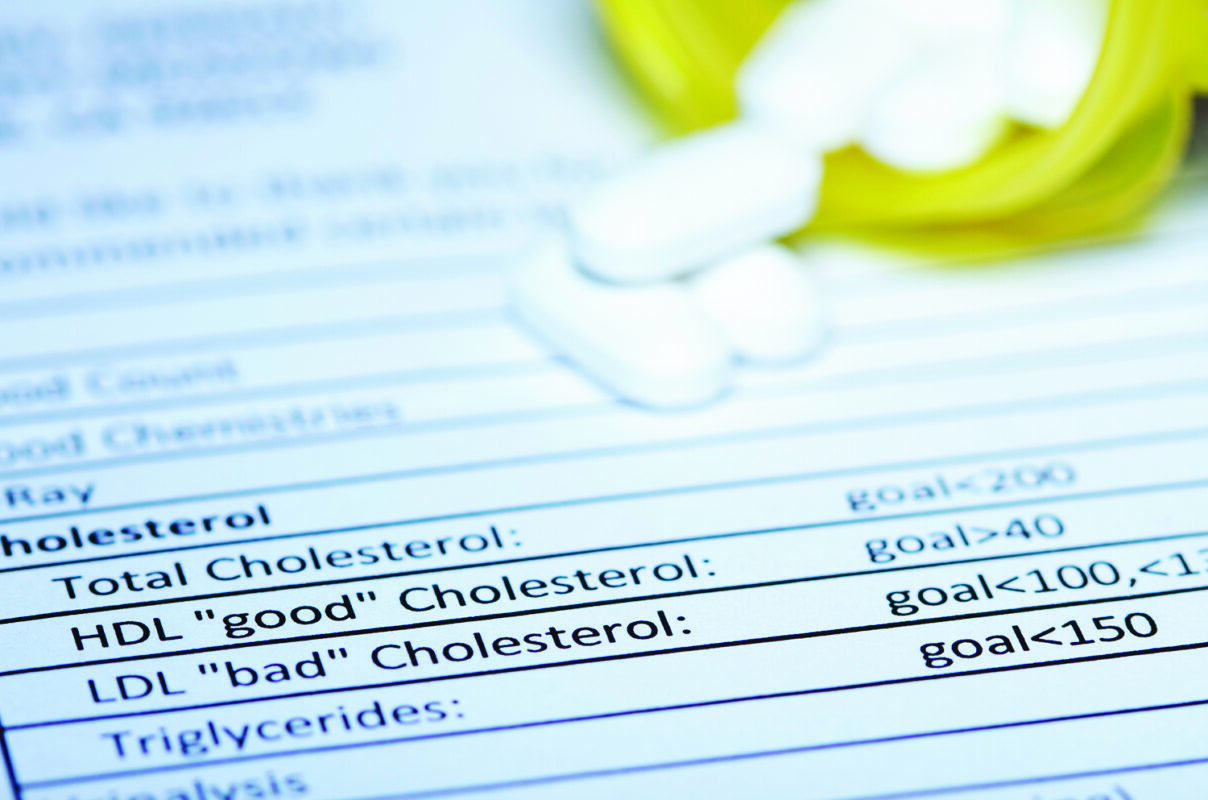
- Lipid panel. A lipid panel is a blood test that measures total cholesterol, HDL cholesterol, and triglycerides and estimates LDL cholesterol. A lipid panel establishes baseline lipid levels and is essential for estimating ASCVD risk, determining the need for lipid-lowering therapy, and monitoring response to therapy.
How Risk Is Now Calculated
The guidelines recommend the use of the AHA’s PREVENT-ASCVD calculator to gauge an individual’s risk of ASCVD. An accurate assessment of individual risk is important for guiding treatment recommendations.
“The PREVENT-ASCVD equation provides a more accurate measure of future risk than the pooled cohort equation we used for years,” Dr. Cho says. “Risk estimates from PREVENT-ASCVD equations tend to be 40% to 50% lower than 10-year risk estimates from the pooled cohort equations. This means about 1 million fewer people will need to be on cholesterol-lowering medications.”
For primary prevention of ASCVD, a discussion of the risks and benefits of statin therapy should begin when an individual’s 10-year risk of heart attack is as low as 3%. Ideally, however, any risk factors for ASCVD should be identified early and managed over a lifetime by modifying health behaviors and, when necessary, using cholesterol-lowering medications.
Treatment Recommendations
Treatment of elevated cholesterol may involve lifestyle measures, statin therapy or other lipid-lowering therapy, or both.
One important aspect of cholesterol control is eating a heart-healthy diet with plenty of fruits, vegetables, nuts, legumes, whole grains, and fiber. Saturated fat and trans fats should be replaced with monounsaturated and polyunsaturated fats.
“Avoiding saturated fat is an important component of controlling LDL cholesterol,” Dr. Cho says. “We do not agree with animal protein recommendations put forth in the 2025-2030 Dietary Guidelines for Americans.”
Statin therapy may be considered when an adult’s 10-year risk of ASCVD is 3% to 5% and should be considered in those with a 5% to 10% risk.
When statin therapy and lifestyle changes fail to adequately lower LDL cholesterol, a non-statin therapy such as ezetimibe, bempedoic acid, or an injectable PCSK9 inhibitor should be added.
“PCSK9s are so expensive that insurance providers will not cover them in place of statins as first-line agents,” Dr. Cho says. “However, statin therapy also lowers inflammation, which PCSK9 therapy does not. This is one of most critical functions for heart-attack prevention and one reason statin therapy is so effective.”
The guidelines set treatment goals for LDL cholesterol and non-HDL cholesterol that depend on whether an individual is considered at very high, higher, or borderline-intermediate risk as determined by PREVENT-ASCVD.
Special Considerations
Guidance for optimizing lipid management is provided for individuals at increased risk of heart disease, including:
- Those with type 1 and type 2 diabetes
- Adults ages 40 and older with chronic kidney disease (Stage 3 or higher) or living with HIV
- Those being treated for cancer
- Adults with persistently elevated triglycerides
- Individuals of any age with FH.
Advice is also given for managing cholesterol in children, young adults, and older adults.
“High cholesterol is a lifelong risk, not something that starts at age 40,” Dr. Cho says.
To underscore this point, the guidelines recommend all children ages 9 through 13 undergo cholesterol testing to identify and treat those with genetically elevated cholesterol who are at risk for heart attack at an early age. Those without high cholesterol should resume screening at ages 19 to 21 and be screened every five years. Because lowering cholesterol reduces ASCVD risk at any age, statin therapy may begin or continue in active adults over age 75.
The Role of New Tests and Tools
The guidelines encourage the use of biomarkers to help assess additional risk in certain patient populations.
Everyone should have their Lp(a) measured at least once. Because Lp(a) is not affected by lifestyle changes or lipid-lowering therapies, one measurement is generally sufficient.
“Lp(a) is more strongly associated with ASCVD than LDL cholesterol. People with elevated Lp(a) need intensive management of risk factors to avoid a heart attack,” Dr. Cho says.
After individuals with type 2 diabetes, cardiovascular-kidney-metabolic syndrome, or high triglycerides have met their LDL cholesterol and non-HDL cholesterol goals, measuring apolipoprotein B (apoB) levels can help determine whether more aggressive therapy is needed.
In men over age 40 and women over age 45 at borderline risk, coronary artery calcium (CAC) scoring is a validated way of determining whether lipid-lowering therapy would be beneficial.
“CAC scoring is useful only in adults who have not had a cardiovascular event. If you have ASCVD, CAC scoring is not needed: There’s no question you should be on lipid-lowering therapy,” Dr. Cho says.
Practical Steps
“We are so lucky to live in era when we have medications that can help prevent heart attack and stroke,” Dr. Cho says. “It’s important to know your ASCVD risk, so ask your doctor for a lipid panel.
“Once you have the results and know your risk, ask your doctor what you should do to lower your cholesterol to goal,” she continues. “This will certainly involve eating a diet low in saturated fat and, possibly, starting statin therapy or other cholesterol-lowering medication.”