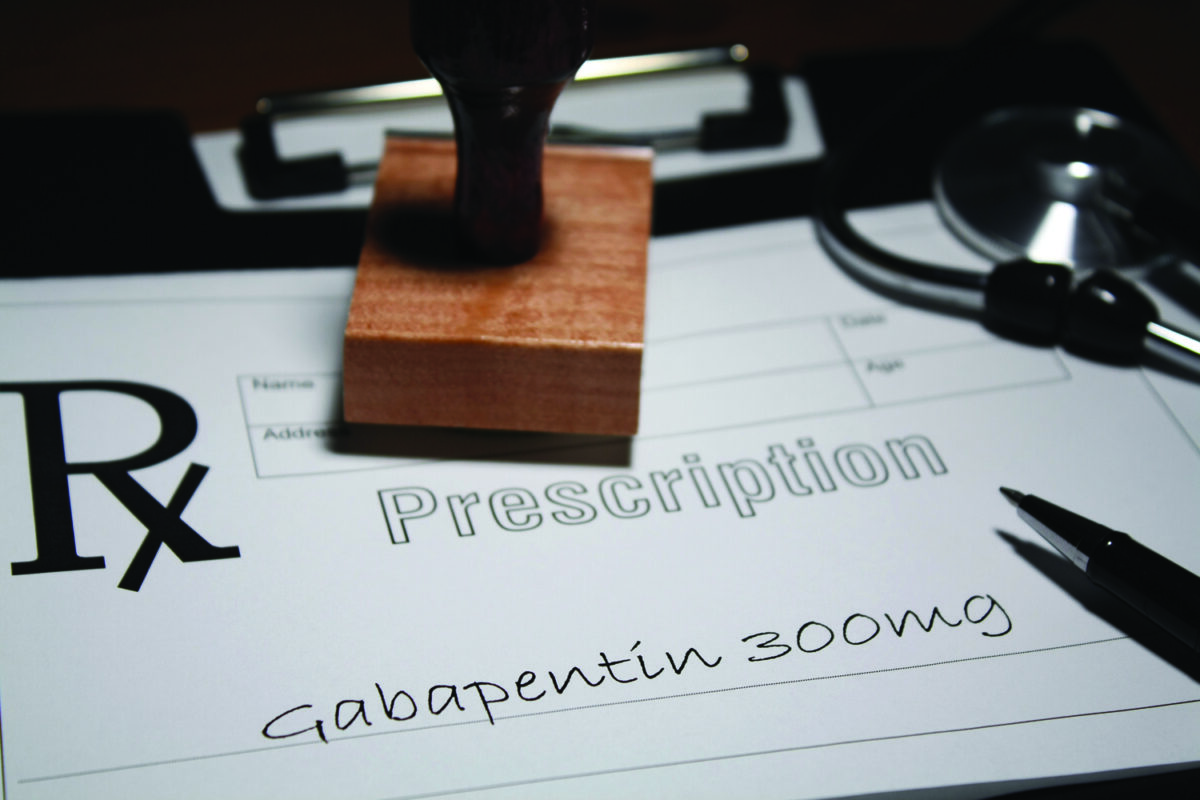
Gabapentin is a medication prescribed to help manage partial seizures and reduce nerve pain triggered by shingles. Additionally, a distinct gabapentin prodrug (gabapentin enacarbil) is approved to treat restless legs syndrome.
While gabapentin is a generally well-tolerated and effective drug, it also comes with several potential complications. Gabapentin side effects range from mild to severe, and recent research suggests there may be some long-term concerns about gabapentin’s impact on cognition and brain health.
Read on to learn about gabapentin’s uses and what you should know about the drug’s common and manageable side effects, as well as those that are more serious. We’ll also cover potential drug interactions and the risks of drug dependence and the nature of gabapentin withdrawal.
What Is Gabapentin?
Gabapentin is a type of medication known as a gamma aminobutyric acid (GABA) analogue. GABA is a calming chemical messenger in the nervous system, reducing the excitability of certain nerve cells in the brain. These cells include those involved with stress, muscle tension, sleep, and the perception of pain.
Gabapentin is a GABA-analogue but pharmacodynamically not a GABA-mimetic. It acts on voltage-gated calcium channels, reducing their excitatory transmission, and has a downstream effect of calming overactive nerves. As a result, gabapentin is used by adults and children (ages 3 and older) to control and prevent partial seizures. The drug is prescribed to people with restless legs syndrome and a related condition called periodic limb movement disorder (PLMD). And one of gabapentin’s main uses is for postherpetic neuralgia, the nerve pain that follows a case of shingles (herpes zoster). It’s also prescribed “off-label” to help manage other chronic pain conditions.
Common Side Effects of Gabapentin
Like any powerful medication, gabapentin can bring on some unwanted side effects. Some of the more common gabapentin side effects include dizziness, somnolence (excessive drowsiness), edema (limb swelling), ataxia (balance problems), fatigue, and nystagmus (involuntary eye movements), says Jennifer Gatchel, MD, PhD, a geriatric psychiatrist with Massachusetts General Hospital. She adds that weight gain is another, somewhat less-common side effect.
Of course, many people who take gabapentin—especially at lower doses—experience no noticeable side effects. But Dr. Gatchel recommends taking note of any changes that occur after starting the medication, especially those involving your alertness and balance.
“I advise patients not to drive or operate complex machinery until they have gained sufficient experience on gabapentin to assess whether it impairs their abilities,” she says.
For many people who experience central nervous system-related side effects, such as dizziness, somnolence, and fatigue, the problems are generally most pronounced soon after starting gabapentin. In those cases, gradual dose adjustments are recommended, Dr. Gatchel says: “Many patients do develop tolerance to these effects over the first one to two weeks. For a subset of patients, these effects may persist even after being on the medication for longer periods of time.”
She adds that certain gabapentin side effects, such as peripheral edema and weight gain, are reported in a minority of patients and tend to be more persistent.
Serious Side Effects: When to Call a Doctor
Serious gabapentin side effects are rare, but it’s important to be on the lookout for them, nonetheless.
Among them is DRESS (drug reaction with eosinophilia and systemic symptoms) syndrome, which is a multiorgan hypersensitivity reaction to the drug. It can lead to a widespread skin rash, fever, and organ inflammation. Dr. Gatchel says other severe side effects include anaphylaxis (an allergic reaction that causes breathing problems among other symptoms) and angioedema (a rapid swelling of skin tissue, often in the throat and around the eyes and mouth).
She adds that suicidal thoughts and behavior also develop in rare instances.
“You should seek immediate medical attention if you experience signs of anaphylaxis or angioedema, a rash with fever or lymphadenopathy—swollen or enlarged lymph nodes, difficulty breathing, and any emergence of suicidal thoughts, worsening depression, or unusual behavioral changes,” Dr. Gatchel says. “Patients should also not abruptly stop gabapentin without medical guidance, as withdrawal can precipitate seizures.”
Gabapentin Withdrawal: What to Know
Gabapentin withdrawal symptoms can develop in individuals who have formed a physical dependence on the medication. Gabapentin dependence is rare among those who take it regularly. Research suggests, however, that among people with a history of substance abuse, gabapentin misuse and dependence can occur in up to 20% of users.
Dr. Gatchel notes that gabapentin withdrawal symptoms can include seizures, depression, suicidal thoughts, agitation, confusion, anxiety, insomnia, nausea, sweating, tremor, and dizziness. “Physical dependence can develop, and withdrawal symptoms have been observed after discontinuation of both short-term and long-term treatment, typically within 48 hours,” she says.
If you have been taking gabapentin for some time, talk with your doctor if you plan to stop using it. You should also consult with your healthcare provider if you feel you have grown dependent on gabapentin for pain relief, sleep assistance, or other reasons.
Drug Interactions and Precautions
Because gabapentin acts on the nervous system, you may need to take special precautions if you also take certain painkillers or central nervous system (CNS) medications. “I advise patients to use gabapentin cautiously with other medications that are sedating or ‘CNS depressants,’ due to potential synergy,” Dr. Gatchel says. “Gabapentin also may contribute to life-threatening or fatal respiratory depression when combined with opioids or other CNS depressants, or taken by patients with underlying respiratory impairment.”
The primary interaction of concern is with opioids. “Coadministration of gabapentin with morphine, hydrocodone, oxycodone, or buprenorphine is associated with respiratory depression and sedation, sometimes resulting in death,” Dr. Gatchel says.
She adds that taking gabapentin and antacids containing aluminum and magnesium hydroxide may reduce how much and how quickly gabapentin is absorbed by the body.
Also use caution when taking gabapentin if you have rhabdomyolysis, hyponatremia, Stevens-Johnson syndrome, and movement disorders, Dr. Gatchel says. “For patients with chronic kidney disease, gabapentin requires dose adjustment, since the drug is eliminated solely by the kidneys,” she explains. In older individuals with compromised renal function (estimated glomerular filtration rate less than 60), failing to adjust dose according to renal function and/or starting at higher doses is associated with increased risk of encephalopathy, falls, fractures, and respiratory depression, she adds.
Gabapentin Overdose: Symptoms and What to Do
On its own, a gabapentin overdose is rarely fatal. Gabapentin overdose symptoms are much more likely to include extreme sleepiness, dizziness, and slurred speech because it’s slowing down your nervous system.
If you take more than your prescribed dose and experience any symptoms, rest and avoid driving and using heavy tools. Skip your next planned dose if you take gabapentin more than once a day. Don’t drink any alcohol, and stay hydrated with plenty of water.
If your gabapentin overdose symptoms are more serious and include lightheadedness or fainting, blurry vision, or problems with walking or balance, get medical attention as soon as possible.
If you or someone close to you may have overdosed on gabapentin, you can also call Poison Control at 800-222-1222. Try to provide the amount of medication consumed and the time it was taken.
Long-Term Use and Dependence
Because gabapentin is not a narcotic and works differently than many other addictive drugs, the federal government doesn’t classify it as a controlled substance. Some states, however, consider gabapentin a Schedule V controlled substance. Schedule V substances are the least likely of controlled substances to cause addiction or dependence.
For some people, long-term use of gabapentin can lead to significant rebound symptoms upon discontinuation. As the body’s tolerance builds up, individuals may increase their doses to achieve the same pain relief or calming effect. Misuse of gabapentin to chase euphoria or enhance the effects of other drugs can also lead to dependence and other complications.
One other concern related to long-term side effects of gabapentin is the medication’s possible impact on cognition and dementia risk. Several studies in recent years have suggested that prolonged gabapentin use is associated with a higher risk of mild cognitive decline and dementia.
Dr. Gatchel notes that the studies are all observational and measure associations, rather than causation, and that there is currently no evidence proving that gabapentin causes cognitive impairment. In some of the studies, older adults in early stages of Alzheimer’s disease or other dementias may have been prescribed gabapentin for early neuropsychiatric symptoms of these disorders, thus introducing a potential confounding bias.
If you have concerns or questions about gabapentin side effects, talk with your healthcare provider about the risks and benefits of the drug. Dr. Gatchel adds that gabapentin and its possible link to cognitive impairment is an active area of research, so more study data is likely to emerge in the years ahead.