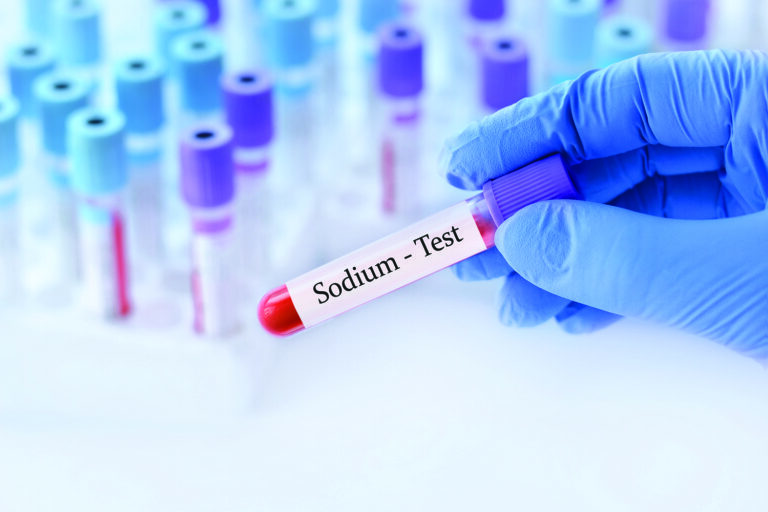
Most people refer to them as “blood thinners.” Technically, they’re called anticoagulants.
Whatever term is applied to them, these medications help to prevent dangerous blood clots from forming in your blood vessels and causing potentially life-threatening events. Several classes of these drugs may be prescribed in a variety of clinical settings. All of them are effective, but they work differently and have varying benefits and potential risks that you need to know about.
“The efficacy of all the anticoagulants is more or less the same, but the choice really depends on how quickly some of them work, how long they last in the blood, and the setting a person is in,” says Leben Tefera, MD, a Cleveland Clinic vascular medicine specialist.
What Are Anticoagulants?
The term “blood thinners” is a bit misleading because anticoagulants don’t thin the blood or increase its wateriness, as the term would imply. Instead, anticoagulants prohibit blood clots from growing by interfering with the blood-clotting cascade, a chain reaction by proteins known as clotting factors that form solid clots to stop bleeding.
“The purpose of taking an anticoagulant really isn’t to dissolve a blood clot—your body will do that on its own—but it’s to make sure you don’t develop more clots,” Dr. Tefera explains. “An anticoagulant literally stops you from coagulating while your body works on dissolving the blood clot that you currently have.”
Who Needs Anticoagulants?
Anticoagulants are widely prescribed for blood clot prevention in people with atrial fibrillation (A-fib), the most common irregular heart rhythm. A-fib-induced clots can travel to the brain and cause strokes—A-fib is a leading stroke risk factor.
Individuals with deep-vein thrombosis (DVT) also may require anticoagulant therapy. These clots, which form in the deep veins of the legs and (less commonly) arms, can break free, move through the venous circulation, and become lodged in a blood vessel of the lung, causing a life-threatening pulmonary embolism. The drugs also are commonly prescribed postoperatively to prevent venous clots in people undergoing lower-extremity surgeries like total knee and hip replacements.
Additionally, you may be prescribed an anticoagulant if you undergo heart-valve surgery or replacement (you’ll require lifelong anticoagulant therapy if you receive a mechanical heart valve) or have certain blood-clotting disorders (thrombophilia).
Types of Anticoagulants
Here’s a look at the primary classes of anticoagulants:
Warfarin
Warfarin (Coumadin, Jantoven) has been a mainstay of anticoagulant therapy for decades. A once-daily oral medication, warfarin works by inhibiting vitamin K, which your body needs to form clots.
It’s the preferred anticoagulant for people with antiphospholipid syndrome (an autoimmune disorder that increases clot risk), and it’s also used in certain individuals with mechanical heart valves, moderate-to-severe mitral valve disease, and people on dialysis, Dr. Tefera says. Among its other advantages, warfarin has a long track record of use, and it’s inexpensive.
However, a wide array of medications and supplements can interact with warfarin and alter its effects. Changes in your dietary intake of vitamin K (found in broccoli, cauliflower, green leafy vegetables, and other foods) also can affect warfarin’s activity. Most notably, warfarin users must undergo periodic calculations of their international normalized ratio (INR), which measures how quickly blood clots. An INR that’s too high confers a higher risk of bleeding; a too-low INR indicates a greater risk of clots. Some people taking warfarin require frequent dosing adjustments to keep their INR in a safe, therapeutic range.
“It’s a good medication. It’s just very finicky and demands a lot of work from the patient when taking it,” Dr. Tefera says. “That said, I’ve had people taking warfarin for decades who have done very well, and they don’t want to switch. They feel comfortable knowing that they can check their INR.”
Heparin
Heparin works by activating one of your body’s natural blood-thinning proteins (antithrombin). Unfractionated heparin is administered intravenously in hospital settings to treat and prevent certain clots. It works quickly, requires careful monitoring, and has a very short half-life, meaning it exits your system quickly when treatment is stopped.
A low-molecular-weight form of heparin, enoxaparin (Lovenox), is used to prevent and treat DVT and pulmonary embolism, as well as ischemic cardiac problems like acute heart attacks. Administered once or twice a day as a self-injection, enoxaparin has a longer half-life and therefore requires less frequent dosing than unfractionated heparin. Also, it usually doesn’t require monitoring.
Heparins are inexpensive and effective, Dr. Tefera says. However, a unique risk associated with them is a rare (occurring in about 1% to as many as 5% of heparin users) condition known as heparin-induced thrombocytopenia, in which the medication paradoxically increases the risk of clot formation. Another drawback to enoxaparin “is that it can be painful giving yourself that shot once or twice a day,” Dr. Tefera says.
Direct Oral Anticoagulants (DOACs)
DOACs, including apixaban (Eliquis), edoxaban (Savaysa), and rivaroxaban (Xarelto), are the most widely used anticoagulants today. They’re indicated for prevention of stroke in nonvalvular A-fib, treatment and prevention of DVT and pulmonary embolism, and (with apixaban and rivaroxaban) for DVT prophylaxis after knee or hip replacement.
DOACs have been particularly beneficial at improving quality of life for certain people with cancer-induced blood clots, who before required twice-daily enoxaparin injections, Dr Tefera says. Compared with warfarin, DOACs have few medication interactions, are associated with a lower risk of bleeding, are not affected by vitamin K or other foods, and require no INR monitoring or frequent dose adjustments.
“For elderly patients taking warfarin who lose access to having a car, switching them to a DOAC gives them freedom again,” Dr. Tefera says. “They don’t always have to find someone to drive them to the clinic.”
But because the DOACs are cleared by the kidneys, they require annual checks of renal function. Also, they have a shorter half-life than warfarin and enoxaparin, so you’ll place yourself at risk for clotting events if you miss a dose.
“Every medication has its pluses and minuses,” Dr. Tefera says. “One of the pluses of warfarin is that it’s a little more forgiving, meaning if you accidentally skip one dose, you’re probably OK, as opposed to Eliquis and Xarelto. You really need to try your best not to miss any doses because of the short half-life.”
Risks and Side Effects of Anticoagulants
All anticoagulants increase your risk of bruising and bleeding events, including dangerous intracranial bleeding in the brain. Compared with the DOACs, warfarin is associated with a relatively higher rate of major bleeding events. A treatment called prothrombin complex concentrate (Kcentra, Octaplex) can be used to reverse the anticoagulant effects and buy time until the source of the bleeding can be identified and repaired.
“Most blood thinners work incredibly well in terms of preventing further blood clots,” Dr. Tefera says. “What it really comes down to is picking which blood thinner has the lowest risk of bleeding. That’s really where the difference is between the blood thinners.”
In the COBBRA trial (New England Journal of Medicine, March 22, 2026), 2,760 people with DVT or pulmonary embolism were randomly assigned to three months of treatment with apixaban or rivaroxaban. Researchers reported that both drugs were equally effective at preventing venous clots, but apixaban was associated with a significantly lower risk of major bleeding and clinically relevant nonmajor bleeding (0.2% versus 2.4%).
Dr. Tefera emphasizes that the risk of major bleeding was low with both drugs and that the trial did not include people with A-fib (studies assessing the drugs’ safety in this population are ongoing).
“We know for patients with DVT and pulmonary embolism that Eliquis might be safer, but it doesn’t mean I’m bringing every patient on Xarelto into my clinic and immediately switching them over to Eliquis,” he adds. “A big difference between those two medications is that Eliquis is taken twice a day, as opposed to once-a-day Xarelto. Some people simply cannot remember to take a twice-a-day drug.”
How to Take Anticoagulants Safely
Consider these recommendations if you take an anticoagulant:
- Ask your healthcare provider about how to take the medication (with or without food), the timing of the medication, and any potential anticoagulant drug interactions.
- Tell your doctor about over-the-counter medications you take that inhibit blood clotting, such as aspirin, nonsteroidal anti-inflammatory drugs (e.g., Advil, Motrin and Aleve), as well as supplements like garlic, turmeric, fish oil, ginkgo biloba, and St. John’s wort.
- Inform all your physicians (especially surgeons) that you’re taking an anticoagulant. Carry a card in your wallet, or wear a bracelet or pendant, identifying which medication you take.
- Avoid contact sports or other activities that increase your risk of a dangerous bleeding event while on anticoagulant therapy.
- Seek an evaluation for head trauma. “Even if you fall and hit your head and you feel completely fine and don’t lose consciousness, that is something that needs to be evaluated by your doctor or in the emergency department,” Dr. Tefera says. “You can have silent brain bleeds, especially in the elderly, whenever you take blood thinners.”
In light of all the nuances associated with the different anticoagulants, carefully read the packaging instructions of each medication, noting the dosing instructions and potential side effects. Review all this information with your healthcare provider.
“There are caveats to a lot of these medications,” Dr. Tefera says. “That’s why it’s really important to work with a vascular medicine doctor or a hematologist to make sure that you’re on the right blood thinner.”