You try scratching. You try ignoring it, but the itch persists. You find yourself asking, “Why is my skin so itchy?”
There are many potential causes of itchy skin and many ways this dermatological annoyance can, well, get under your skin. Persistent itching can interfere with sleep, concentration, and everyday life. While many cases of itchy skin are harmless and improve with simple self-care, others may signal an underlying medical condition that deserves attention.
“Itching is one of the common complaints I see in practice,” says Delila Foulad, MD, a board-certified dermatologist at UCLA Health. “The challenge is determining whether the cause is something simple, like dry skin, or whether it’s a sign of an inflammatory skin condition or even an internal disease.”
What Is Itchy Skin?
Itchy skin, medically known as pruritus, may affect one small area or occur across much of the body. It may be accompanied by redness, bumps, scaling, or other visible skin changes, but sometimes the skin looks completely normal.
Occasional itching is common and often temporary. Persistent itching, however, may indicate an underlying skin disorder, allergic reaction, medication side effect, or even an internal medical condition. It develops when specialized nerve fibers in the skin send signals to the brain in response to irritation or inflammation. These signals can be triggered by problems in the skin itself or by diseases elsewhere in the body.
Common Causes of Itchy Skin
A wide variety of medical conditions and other factors can cause your skin to itch.
- Dry skin. By far the most common cause of itchy skin is dry skin, says Dr. Foulad, which can commonly be seen during winter months, in people who shower frequently or use harsh soaps, and in older adults. As you age, your skin naturally loses moisture and protective oils. Unlike many skin conditions, dry skin often causes itching without producing a noticeable rash. “It often improves with regular moisturizing,” she adds.
- Allergic reactions. Skin can also become itchy after exposure to substances that trigger an allergic or irritant reaction. Common culprits include fragrances, preservatives in cosmetics, laundry detergents, nickel jewelry, poison ivy, and certain fabrics. “Allergic or irritant reactions tend to be more localized and are often linked to common triggers,” Dr. Foulad says. “Contrary to popular belief, allergic contact dermatitis can be seen not only with the use of new products, but continual use of long-term skin care products.” People may notice redness, swelling, small bumps, or an itchy rash where the offending product touched the skin.
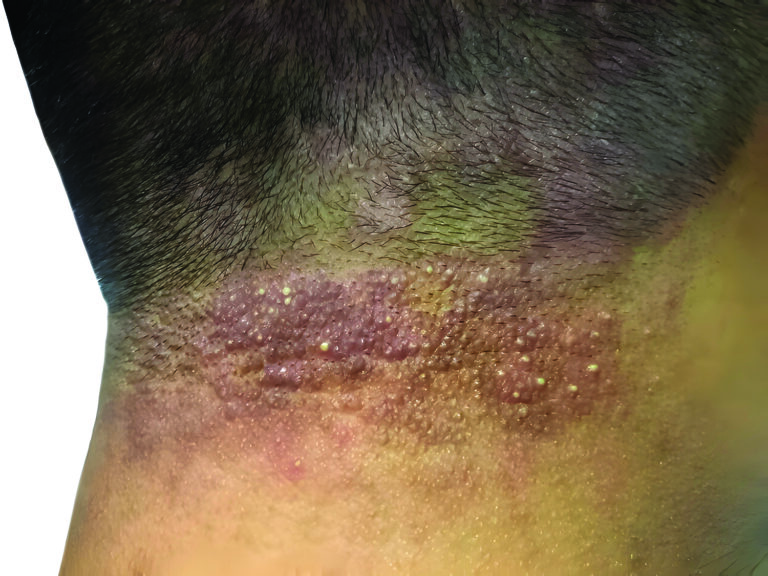
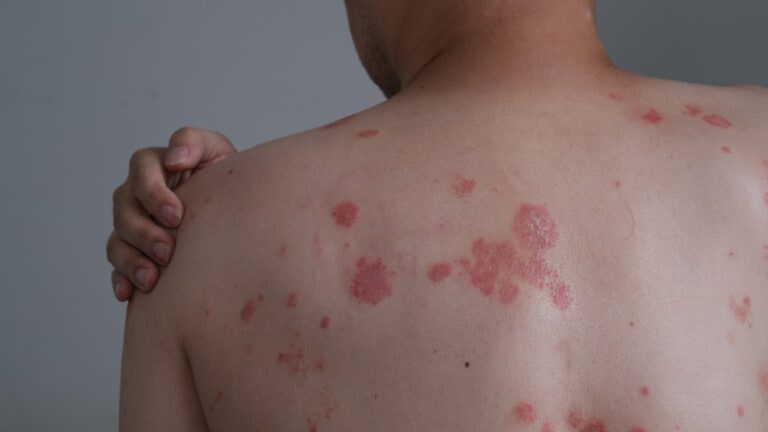
- Skin conditions. Several chronic skin disorders are known for causing intense itching. One of the most common skin conditions that causes itching is eczema (atopic dermatitis), which triggers dry, inflamed patches that itch intensely. It often develops in people who also have asthma or seasonal allergies. Psoriasis, on the other hand, typically causes thick, well-defined plaques covered with silvery scales. Other skin conditions that commonly cause itching include hives (urticaria), seborrheic dermatitis, fungal infections, scabies, autoimmune blistering disease, and contact dermatitis. A dermatologist can usually distinguish among these conditions through a careful skin examination and medical history.
- Insect bites and environmental irritants. Bites from mosquitoes, fleas, bedbugs, chiggers, and other insects frequently cause temporary itching. Even after the bite itself heals, itching may continue for a short time.
- Internal diseases. Although skin problems account for most cases of itching, doctors also may consider diseases that affect other organs, including thyroid disease, iron deficiency, kidney disease, liver disease, diabetes, and certain blood disorders. These conditions may cause itching, because waste products, inflammatory chemicals, or changes in nerve function affect the skin even though no rash is visible. Having itchy skin and no rash often warrants evaluation for these underlying medical conditions.
- Medications and medical treatments. Many people are surprised to learn that medications themselves can trigger itching. “Common offenders include opioids, certain blood pressure medications, and some antidepressants,” Dr. Foulad says. Certain antibiotics, chemotherapy drugs, and medications used to treat cancer can also produce itching. Sometimes the medication causes an allergic reaction; in other cases, itching occurs without any visible rash.
- Stress and mental health. Stress doesn’t directly cause itchy skin, but it can make existing itching feel significantly worse. Anxiety increases the body’s stress hormones and can heighten nerve sensitivity, making people more aware of minor skin irritation. For individuals with eczema, psoriasis, or chronic hives, emotional stress often contributes to flare-ups.
- Age and environmental factors. Older adults experience itchy skin more frequently because aging skin produces less oil and retains less moisture. Low indoor humidity during winter, frequent bathing, chlorinated pools, and harsh cleansers can all strip the skin’s natural protective barrier.
Itchy Skin, No Rash
Many people assume that if they have itchy skin but no rash, their itching can’t be serious. In reality, skin can itch intensely while appearing completely normal.
“When there is severe itching without much to see on the skin, my evaluation includes non-dermatologic causes,” Dr. Foulad says. “Dry skin remains very common, but I also consider systemic conditions.” Environmental factors such as low humidity and harsh cleansers can also contribute.
In some cases, itching develops before any visible skin changes appear. Repeated scratching may eventually create redness, scabs, or thickened skin even though those changes weren’t present initially. If your skin looks normal but the itching persists, your doctor may recommend blood tests to look for an underlying medical condition.
Why Is Itchy Skin Worse at Night?
Many people notice their itching intensifies after they get into bed. Several factors may contribute to itchy skin at night. Your body’s temperature naturally rises slightly in the evening, increasing blood flow to the skin. You also have fewer distractions at night, making you more aware of sensations that might go unnoticed during the day.
Dry indoor air, warm blankets, and changes in the body’s natural circadian rhythms may further exacerbate itchy skin at night. Because chronic itching can interfere with sleep, it’s important to address the underlying cause rather than simply trying to ignore it.
When to See a Doctor
Most cases of itchy skin improve with regular moisturizing, avoiding irritants, and treating any underlying skin condition. However, persistent or severe itching shouldn’t be ignored. Knowing when to see a dermatologist for itching often can help you start to find relief sooner.
“I become concerned when itching is generalized, persistent, or occurs without an obvious rash,” Dr. Foulad says. “Associated symptoms such as unexplained weight loss, fevers, night sweats, fatigue, jaundice, dark urine, changes in bowel habits, or swollen lymph nodes may point toward an internal medical condition and should prompt evaluation.”
It’s also important to seek immediate medical care if itching begins soon after starting a new medication. “Sudden onset of severe itching after starting a new medication should also be taken seriously, especially if accompanied by a widespread rash, facial swelling, blistering, mouth sores, or fever, as these can signal serious drug reactions.”
In general, schedule an appointment with your primary care physician or dermatologist if:
- Itching lasts more than two to four weeks despite home treatment.
- It interferes with sleep or daily activities.
- It affects most of your body.
- You have no obvious explanation for the itching.
- You develop a rash that spreads rapidly or becomes painful.
- You experience fever, weight loss, swollen lymph nodes, or other unexplained symptoms.
How to Find Relief: Practical Tips
Fortunately, many cases of itchy skin can be managed with simple changes to your skin care regimen. Itchy skin treatments include a mix of home remedies and skin care modifications, as well as over-the-counter and prescription medications.
At-Home Remedies
One of the most effective itchy skin remedies is also one of the simplest: moisturize consistently. Apply a thick, fragrance-free cream or ointment immediately after bathing to lock moisture into the skin. Products containing ceramides, glycerin, or petrolatum help restore the skin’s protective barrier. Creams and ointments provide a more effective moisture barrier than lotions.
Other strategies include:
- Take short, lukewarm showers instead of long, hot ones.
- Use gentle, fragrance-free cleansers instead of harsh soaps.
- Apply cool compresses to particularly itchy areas.
- Run a humidifier during the winter if indoor air is dry.
- Wear loose-fitting cotton clothing instead of rough wool or synthetic fabrics.
- Keep fingernails short to reduce skin damage from scratching.
- Avoid known allergy triggers.
- Consider over-the-counter antihistamines, which may help relieve itching caused by allergic reactions or hives.
Preventing Itchy Skin
Good skin care can help prevent itching before it starts. Try to moisturize at least once or twice daily, especially after bathing. Limit exposure to products containing fragrances, alcohol, or harsh preservatives if you have sensitive skin. Staying well hydrated and protecting your skin from cold, dry weather can also help reduce moisture loss.
When Medical Treatments Are Needed
If home remedies aren’t enough, your healthcare provider may recommend additional treatment based on the underlying cause. Depending on the diagnosis, treatment may include prescription topical corticosteroids for eczema and other inflammatory skin conditions, topical calcineurin inhibitors for sensitive areas such as the face, antifungal medications for fungal infections, prescription antihistamines for allergic conditions, phototherapy for certain chronic skin disorders, or medications that target the immune system for severe eczema or psoriasis.
When itching is caused by an internal medical condition, successfully treating that disease is often the key to lasting relief.
Although itchy skin is often caused by something as simple as dry skin, it shouldn’t be dismissed if it persists, worsens, or occurs without an obvious explanation. If moisturizers and gentle skin care aren’t enough, or if itching keeps you awake at night or affects your quality of life, don’t hesitate to seek a medical evaluation. Getting the right diagnosis is the first step toward finally finding relief.