Chronic obstructive pulmonary disease (COPD) is a progressive lung disease, meaning it typically worsens over time. The rate of progression varies from person to person, and early diagnosis and treatment can make a significant difference. Doctors use a system known as the GOLD stages to determine the 4 stages of COPD and to classify the severity of the disease.
“Ultimately, I believe the future of COPD management will shift increasingly toward earlier detection, risk stratification, and individualized intervention before irreversible damage becomes advanced,” says Igor Barjaktarevic, MD, PhD, pulmonologist at UCLA Health.
What Is COPD?
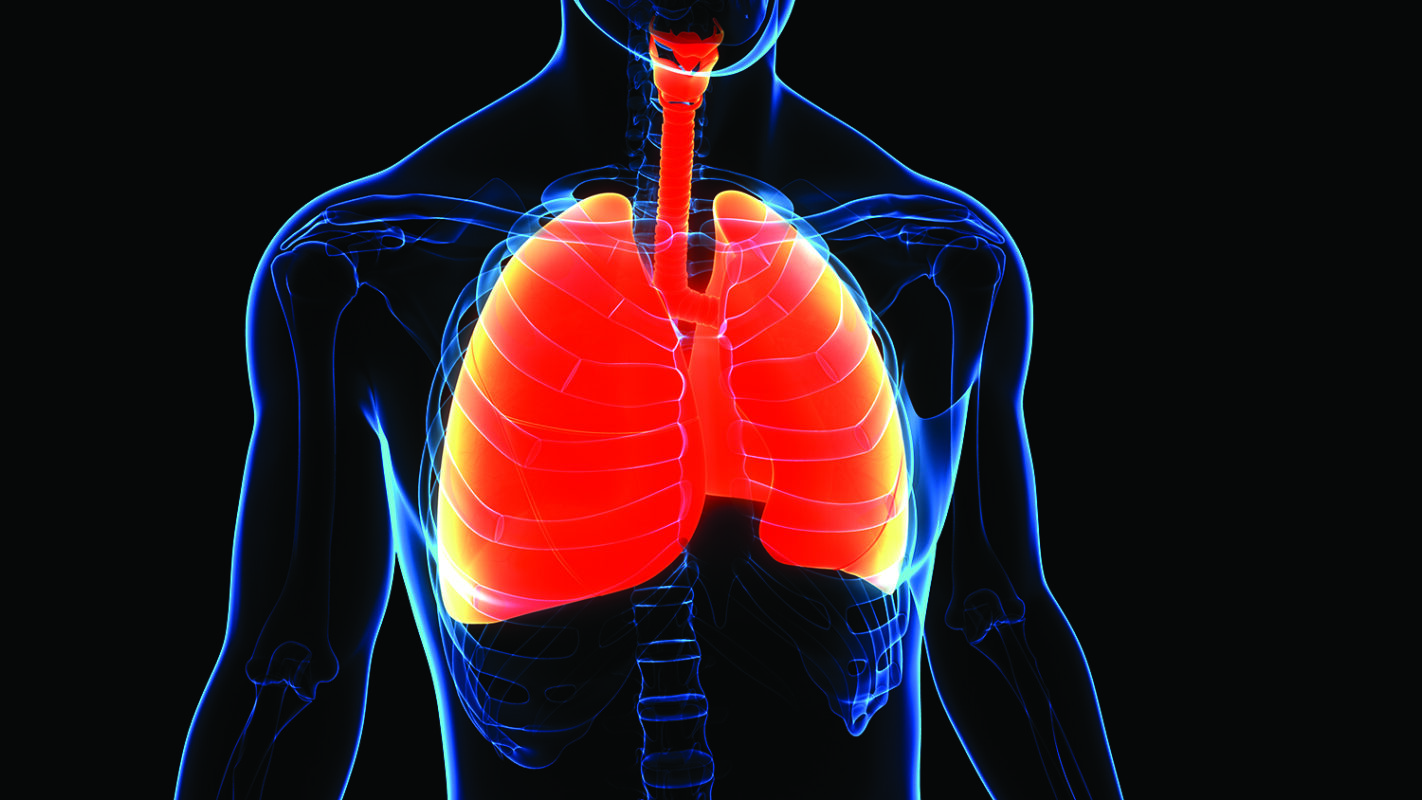
COPD is a group of chronic lung diseases that block airflow and make breathing difficult. The condition most commonly includes emphysema, which damages the air sacs in the lungs, and chronic bronchitis, which causes inflammation and excess mucus production in the airways. COPD is one of the leading causes of death worldwide and affects millions of Americans.
While smoking remains the most common cause of COPD, “we now recognize that a substantial proportion of COPD develops in individuals with other important environmental or biologic exposures,” Dr. Barjaktarevic says. These exposures include biomass fuel smoke, air pollution, wildfire smoke, industrial fumes, occupational dust, agricultural exposures, and other chronic inhaled irritants.
Dr. Barjaktarevic notes that early-life events may influence COPD risk decades later.
“I also believe that the significance of suboptimal lung development early in life, often as a consequence of various environmental events, remains an underappreciated factor that contributes to chronic lung disease,” he says. “Factors such as premature birth, childhood respiratory infections, asthma, maternal smoking exposure, environmental pollution during childhood, and poor early-life lung growth may predispose individuals to lower peak lung function entering adulthood and increased risk of developing COPD.”
Common COPD symptoms include:
- Shortness of breath
- Chronic cough
- Wheezing
- Excess mucus production
- Chest tightness
- Fatigue
- Reduced exercise tolerance
Because these symptoms often develop gradually, many people don’t realize they have COPD until the disease has already progressed.
How COPD Is Diagnosed
COPD diagnosis begins with a review of symptoms, medical history, smoking history, and potential environmental exposures. The most important test used to diagnose COPD is spirometry. A COPD spirometry test measures how much air a person can exhale and how quickly they can do so. It evaluates forced expiratory volume in one second (FEV1) and forced vital capacity (FVC). A reduced FEV1/FVC ratio confirms airflow obstruction, which is the hallmark of COPD.
Doctors may also use chest x-rays, CT scans, pulse oximetry, exercise testing, or blood gas measurements to assess the extent of lung damage and identify complications.
“One of the biggest challenges in early COPD is that the disease often develops silently over many years before patients seek medical attention,” Dr. Barjaktarevic says. “Many individuals gradually adapt to symptoms such as shortness of breath, exercise limitation, cough, or fatigue and simply attribute them to aging, being out of shape, or prior smoking history. As a result, many people do not receive a COPD diagnosis until significant lung damage has already occurred. By the time airflow obstruction becomes obvious on standard spirometry, a substantial amount of structural lung damage may already have occurred.”
What Are the 4 Stages of COPD?
Although modern COPD care increasingly incorporates symptoms, exacerbation history, imaging findings, and biomarkers, health-care providers still use spirometry to classify the severity of airflow obstruction. The Global Initiative for Chronic Obstructive Lung Disease (GOLD) system divides COPD into four grades based on forced expiratory volume in one second (FEV1).
Historically, these stages were also used to guide treatment decisions, but experts now recognize COPD as a highly heterogeneous disease. As such, two patients with similar FEV1 values may have very different symptoms, flare-up risk, imaging findings, and treatment needs. For that reason, it can be difficult to delineate COPD symptoms by stage.
“Our understanding of COPD has evolved over years to account for its wide biological and clinical heterogeneity,” Dr. Barjaktarevic says. “The identification of phenotypes as treatable traits has been crucial for advancing personalized therapies.”
Important: The 4 stages of COPD commonly used in patient education correspond to GOLD 1–4 spirometric grades used in clinical practice. However, modern guidelines also incorporate symptoms, exacerbation history, blood eosinophil (a type of white blood cell) levels, imaging findings, and other clinical factors when making treatment decisions. As a result, patients with the same GOLD stage may require very different COPD treatment options.
Stage 1: Mild COPD/GOLD Grade 1
GOLD Grade 1 airflow limitation (Stage 1 COPD) means spirometry shows only mild obstruction. FEV1 is typically 80% or more of predicted normal. At this stage, airflow limitation is present but often subtle.
Many people experience few symptoms and may not realize they have COPD, while others begin to notice mild shortness of breath or reduced exercise tolerance. Symptoms such as a chronic cough, increased mucus production, wheezing, or fatigue with exertion may appear gradually over time. Because these changes develop slowly, individuals often attribute them to aging, deconditioning, or smoking rather than an underlying lung disease.
COPD diagnosis is confirmed when spirometry shows a post-bronchodilator FEV1/FVC ratio below 0.70 and an FEV1 of at least 80% of predicted normal.
Stage 2: Moderate COPD
Stage 2 COPD corresponds to GOLD Grade 2 airflow limitation, with FEV1 between 50% and 79% of predicted normal. At this point, airflow obstruction has progressed, and symptoms are more likely to interfere with daily life.
Many patients are diagnosed during this stage because shortness of breath becomes more noticeable and activities such as climbing stairs, carrying groceries, or walking longer distances may begin to feel more difficult. Cough, mucus production, fatigue, and wheezing may become more persistent, although symptom severity can still vary widely between individuals.
Diagnosis relies on a post-bronchodilator FEV1/FVC ratio below 0.70, combined with the FEV1 range of 50% to 79% of predicted normal.
Stage 3: Severe COPD
Stage 3 COPD corresponds to GOLD Grade 3 airflow limitation, defined by an FEV1 between 30% and 49% of predicted normal. Patients often experience worsening shortness of breath, persistent cough, and increased mucus production. Daily activities become more challenging, and fatigue, weakness, and reduced physical stamina are common. Sleep disturbances and recurrent respiratory infections may also develop.
COPD flare-ups (exacerbations) become more frequent. These events can require additional medications, urgent care, or hospitalization. Dr. Barjaktarevic emphasizes that exacerbations are a major driver of COPD progression, as they accelerate lung function decline and significantly affect morbidity and mortality. A history of prior exacerbations is also one of the strongest predictors of future events.
Diagnosis is confirmed when spirometry shows a post-bronchodilator FEV1/FVC ratio below 0.70 and an FEV1 between 30% and 49% of predicted normal.
Stage 4: Very Severe (End-Stage) COPD
Stage 4 COPD corresponds to GOLD Grade 4 airflow limitation, with FEV1 below 30% of predicted normal. At this stage, people may experience severe and persistent shortness of breath, even at rest or with minimal activity. Basic tasks such as dressing or walking short distances may become difficult. Fatigue is often extreme, and COPD flare-ups may occur frequently. Many individuals also develop low blood oxygen levels, weight loss, recurrent infections, and complications involving the heart and respiratory system. Some patients require hospitalization or assistance with daily care.
Diagnosis is based on a post-bronchodilator FEV1/FVC ratio below 0.70 and an FEV1 below 30% of predicted normal. Some patients may also develop chronic respiratory failure and require long-term oxygen therapy.
Managing COPD at Every Stage
COPD treatment options are no longer determined strictly by GOLD stage or FEV1 level. Instead, management takes into account symptoms, exacerbation history, biomarkers, imaging findings, and comorbid conditions. Across all stages, the foundation of treatment focuses on reducing COPD progression and improving quality of life.
Smoking cessation is the most important intervention, along with minimizing exposure to environmental and occupational irritants such as air pollution. Preventive care, including influenza, pneumococcal, COVID-19, and RSV vaccinations, is also a key component of COPD management.
Regular physical activity and structured pulmonary rehabilitation can improve exercise tolerance, reduce symptoms, and enhance overall function. Management of coexisting conditions such as cardiovascular disease, anxiety, or metabolic disorders is also important, as these conditions can significantly influence outcomes in COPD.
Medication therapy is tailored to symptom severity and exacerbation risk. Short-acting bronchodilators are often used for quick relief, while long-acting bronchodilators and combination inhalers form the backbone of maintenance therapy in many patients. Treatment plans are adjusted over time based on response and clinical progression.
In more advanced disease, additional therapies may include long-term oxygen therapy and noninvasive ventilation. Some individuals may be evaluated for lung volume reduction procedures or lung transplantation.
Importantly, clinicians increasingly emphasize early intervention, particularly during earlier stages of disease. As Dr. Barjaktarevic notes, there may be a window in which smoking cessation, reduction of harmful exposures, rehabilitation, vaccination, and optimized medical therapy can meaningfully alter long-term outcomes.
When to Seek Medical Help
Contact your health-care provider if you experience:
- A persistent cough that does not improve
- Increasing shortness of breath
- Wheezing or chest tightness
- Frequent respiratory infections
- Declining ability to perform normal activities
- Worsening symptoms despite treatment
Seek emergency medical care if you develop severe breathing difficulty, confusion, blue lips or fingernails, or signs of respiratory distress.