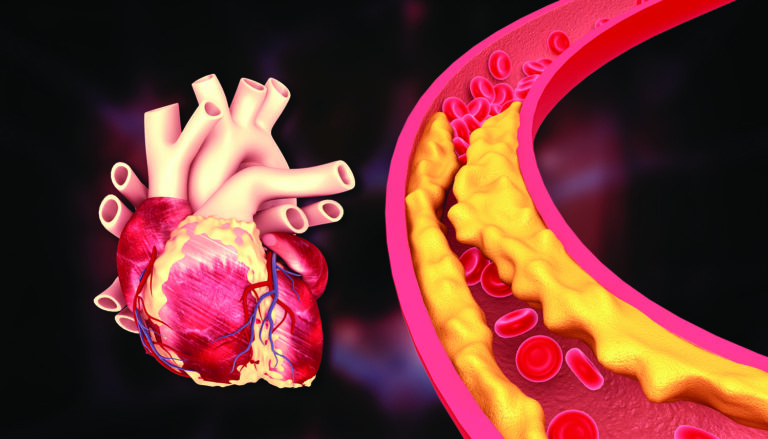
People with periodontal disease have a 1.5-fold to twofold greater risk of developing atherosclerotic cardiovascular disease (ASCVD) than people without periodontal disease. As such, they’re at increased risk of heart attack and stroke.
“Dentists and cardiologists know that there is an association between gum disease and heart disease, but we have not been able to prove that periodontal disease actually causes ASCVD,” says Cleveland Clinic periodontist Sasha Ross, DMD, MS.
Nevertheless, the association between the two conditions is robust.
What Is Gum Disease?
Gum disease is called gingivitis. Gingivitis causes gums to become swollen and bleed. Plaque-induced gingivitis is a reversible inflammatory disease caused by bacteria in plaque, the sticky film that forms on teeth.
Gingival diseases not caused by plaque include:
- genetic diseases like hereditary gingival fibromatosis
- inflammatory and autoimmune conditions like lichen planus, which causes white patches on the gums, and pemphigoid, which causes painful red gums that blister and peel
- bacterial, viral and fungal infections
- reactive processes like a tumor or lump on the gums (epulis)
- manifestations of cancers like squamous-cell carcinoma, which causes non-healing ulcers or masses on the gums, and leukemia, which causes gums to swell and bleed
Unlike gingivitis, periodontal diseases are characterized by chronic inflammation leading to irreversible bone loss. There are three types:
- Standard periodontal disease. This form is painless and usually discovered by clinical examination and x-rays in the dentist’s office.
- Necrotizing periodontal disease. This type is characterized by severe, painful, rapidly progressing infections that cause gum tissue to become inflamed, ulcerate, and die. The small pieces of tissue between the teeth disappear, and a film composed of dead cells, white blood cells, fibrin, and mucus forms over the injured tissue. This type of periodontitis is most often seen in individuals with diseases that compromise the immune system, like HIV.
- Periodontal disease as a manifestation of systemic conditions. In rare cases, periodontitis occurs when a medical condition disrupts the body’s immune response, causing the destruction of bone around the teeth. This problem can occur in individuals with genetic conditions that affect connective tissue or raise infection risk, including Down syndrome, Papillon-Lefevre syndrome, and Ehlers-Danlos syndrome; those with immune deficiencies; and individuals with blood disorders, including leukemia.
Periodontal diseases are treated by periodontists, who are specialists in the health of the gums and the structures below the gum line that support the teeth.
Understanding Heart Disease
ASCVD encompasses coronary artery disease, carotid artery disease, and peripheral artery disease. In ASCVD, cholesterol, other fats, and white blood cells accumulate in the walls of arteries that supply blood to the heart, brain, and other arteries in the body. The process is aggravated by inflammation and risk factors such as high cholesterol, blood pressure, and blood sugar levels, smoking, and stress, among others.
Failure to control ASCVD can result in a heart attack, stroke, chronic kidney disease, or any number of other serious events.
How Are Gum Disease and Heart Disease Linked?
About 700 types of bacteria live in the mouth. When the teeth are not cleaned properly, bacteria colonize and form plaque on the teeth and gums.
“There is a theory that periodontal bacteria travel throughout the body in the bloodstream,” Dr. Ross says. “These bacteria have been found on diseased aortic valves removed during valve replacement surgery, showing the effect these bacteria can have on the heart.”
The immune system responds by fighting the bacteria. This response causes systemic inflammation and damages the lining of blood vessels—processes that contribute to the development and growth of ASCVD.
Initially, the inflammation is reversible. If the plaque is not removed, the inflammation becomes chronic and irreversible. Because the immune forces that attack the bacteria cannot distinguish between good and bad bacteria, they break down the bone and other structures supporting the teeth.
Periodontal bacteria can enter the bloodstream in multiple ways:
- Inflammation below the gum line causes the lining of the gums to thin and ulcerate, opening the door to bacteria.
- Immune molecules called cytokines cause blood vessels to become more permeable.
- The bacteria themselves have evolved in a matter that allows them to enter the gum’s epithelial cells and from there into the bloodstream.
And then, your good intentions can sometimes backfire.
“Once the lining of the gums has thinned and ulcerated, everyday activities like brushing and flossing—even chewing and eating—can push bacteria through the gums into the capillaries,” Dr. Ross says. “One could argue that stopping brushing and flossing would stop forcing bacteria into the bloodstream. But if you don’t have good oral hygiene, more bacteria will accumulate, the ulcerations will grow deeper and wider, and the trickle of bacteria going into your bloodstream will become a flood. This would turn a transient problem into a chronic one.”
What Does the Research Say?
Establishing a direct causal link between gum disease and heart disease has been challenging.
That being said, periodontal disease is increasingly looking like an independent risk factor for ASCVD. One study found periodontal disease to be more prevalent and severe in people admitted to the hospital with acute heart attack, even after the researchers accounted for smoking, diabetes, and socioeconomic factors (Circulation, Feb. 9, 2016). In a review of clinical trials (British Dental Journal, March 10, 2017), scientists reported “robust evidence that periodontal disease independently increased atherosclerotic disease risk when the dominant cardiac risk factors were controlled.” Furthermore, a study published Oct. 22, 2025, in Neurology Open Access found that having gum disease and cavities was linked to an 86% increased risk of stroke, and poor oral health was associated with a 36% higher risk of heart attack and other cardiovascular events.
In light of this and other evidence, the American Heart Association issued a scientific statement (Circulation, Dec. 25, 2025) noting the growing number of studies showing a strong correlation between periodontal disease and fatal and nonfatal heart attack and stroke.
Who Is Most at Risk?
People more likely to develop periodontal disease and ASCVD include those with risk factors shared by both conditions, including older age, too little physical activity, being overweight or obese, smoking, diabetes, hypertension, excessive alcohol consumption, a diet high in simple carbohydrates, low education level, and socioeconomic disadvantage. Those at increased risk for ASCVD include individuals with periodontitis, which in the United States is particularly severe among adults older than age 65, Mexican Americans, non-Hispanic Blacks, and smokers.
Other factors that increase periodontitis risk include:
- Medications that dry out the mouth, increasing plaque Offenders include antidepressants, antihypertension medications, anti-seizure drugs, immunosuppressants, and calcium-channel blockers.
- Individuals with grooves in their teeth, crowded teeth, and malocclusion (a misaligned bite), all of which make cleaning the teeth more difficult.
- Individuals at high-hormone stages of life (e.g., puberty, pregnancy, menopause).
- Anyone who is immunosuppressed.
The Warning Signs: When to Take Action
Warning signs of periodontal disease include red, bleeding gums, loose teeth, bad breath, pus around the gumline, and receding gums. However, gum disease often is asymptomatic.
“Most gum disease doesn’t hurt, so people often have no idea they have it,” Dr. Ross says. “But if you experience any of these symptoms, see your dentist or go straight to a periodontist.
“It’s important that you see your primary care doctor at least once a year and get bloodwork done,” she adds. “Periodontal disease is linked to many diseases. Your primary care doctor may consider sending you to a cardiologist. Your medical and dental team need to know what disorders you have and how well controlled they are to get the full picture and be able to successfully treat you.”
How to Protect Your Oral and Heart Health
On a positive note, treating periodontal disease can reduce inflammation and may lower the risk of ASCVD stemming from inflammation.
Since the best medicine is prevention, Dr. Ross offers the following advice on maintaining good oral health:
- Brush your teeth at least twice a day with an electric toothbrush—once for two minutes—making sure the bristles get at the gumline.
- Floss and/or use a Waterpik daily.
- Once or twice a day rinse your mouth with an antibacterial mouthwash (not just one that fights bad breath).
- If your gums look red or bleed, or you have been diagnosed with periodontitis, use a toothpaste that contains stannous fluoride, which reduces inflammation without staining the teeth.
- See your dentist at least twice a year, and consider seeing a periodontist if you have concerns about your gums.
Living a healthy lifestyle also is important for preventing both periodontal disease and ASCVD. Follow these tips:
- Eat a healthy diet to make sure you get enough vitamins, especially C and D.
- Avoid or limit alcohol intake.
- Exercise daily.
- Don’t smoke anything. “Using tobacco products like cigarettes and chewing tobacco is bad, but vaping is arguably worse,” Dr. Ross advises.
- See your primary care doctor at least once per year to ensure you do not have uncontrolled diabetes or other medical conditions.
“In dental school, we were taught that the mouth is an integral part of the body. Dentistry should not be viewed as being separate from medicine. Everything is connected,” Dr. Ross says. “It’s important to understand that what happens in the mouth affects the entire body, and I think the relationship between periodontal disease and heart disease supports that point.”