Pumpkin seeds may be small, but they pack a lot of nutrition into each bite. These edible seeds are a popular snack and an easy addition to meals. Interest in pumpkin seed nutrition continues to grow because they provide protein and a host of other important nutrients.
Research suggests the benefits of pumpkin seeds may include support for heart health, blood sugar management, sleep support, immune function and digestive wellness.
“Pumpkin seeds are one of the simplest foods people can add to their diet for an extra boost of protein, minerals, and healthy fats,” says dietitian Kristen Smith, PhD, RDN, LD.
What Are Pumpkin Seeds?
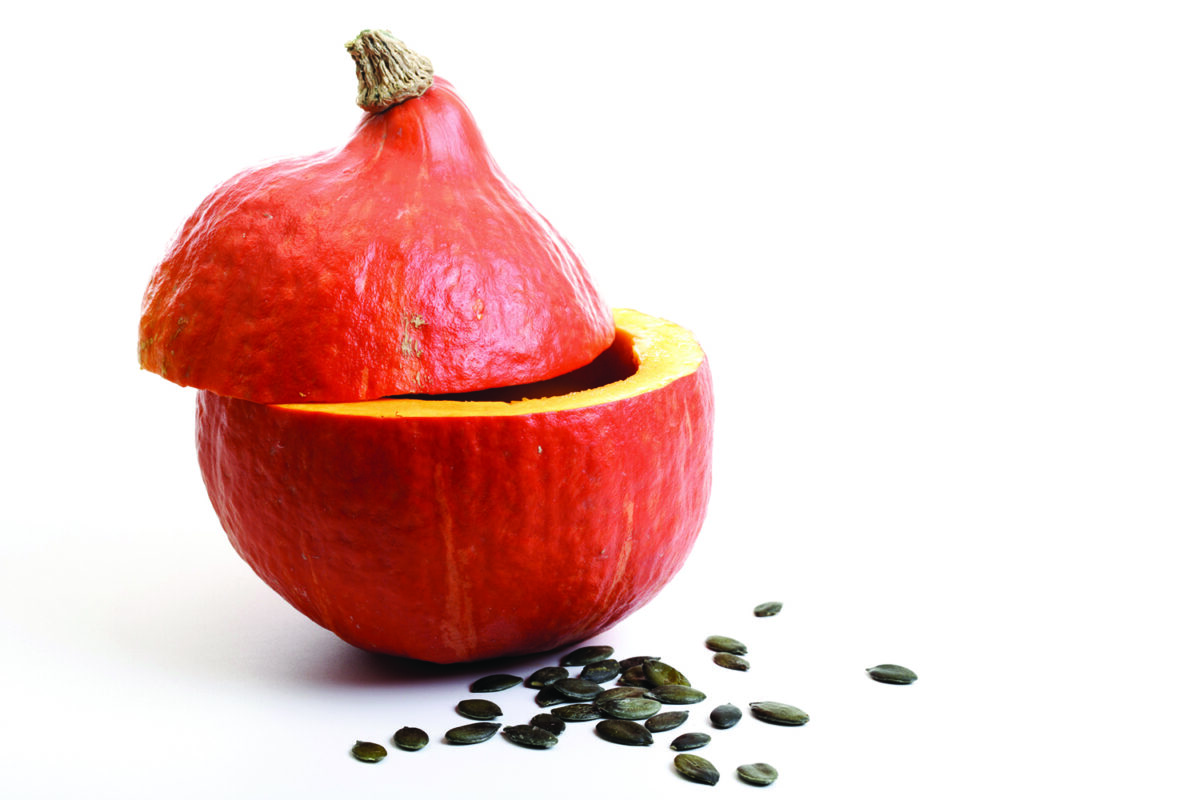
Pumpkin seeds are the edible seeds found inside pumpkins. They have a mild, nutty flavor and can be eaten raw or roasted.
You may see two main types at the grocery store: shelled pumpkin seeds (often called pepitas) and whole pumpkin seeds. Pepitas have had the hard outer shell removed. They are usually green and are commonly added to salads, yogurt, and baked goods. Whole pumpkin seeds still have the outer shell attached and are often sold as roasted pumpkin seeds. The shell is edible and provides additional fiber. Shelled seeds are often easier to eat, but both types can be part of a healthy diet.
Pumpkin Seed Nutrition
One reason why pumpkin seeds are so popular and why they have gained attention from health professionals and consumers is their impressive nutrient profile.
Protein, Healthy Fats, and Fiber
One ounce of pumpkin seeds provides about 5 grams of plant-based protein, making them an appealing option for vegetarians, active individuals, and anyone looking to add more plant foods to their diet. Protein helps build and repair muscles, supports many important processes in the body, and creates a feeling of fullness (satiety) after eating.
Pumpkin seeds also contain polyunsaturated and monounsaturated fatty acids. These healthy fats help support overall cardiovascular health when consumed as part of a balanced diet.
Whole pumpkin seeds with their shells provide more fiber than shelled seeds. Fiber helps support regular digestion and can help you feel full.
Magnesium and Other Key Minerals
Pumpkin seeds’ magnesium content is especially noteworthy. Magnesium is needed for muscle and nerve function, normal blood pressure, blood sugar control, and many other body processes.
Pumpkin seeds are also rich in zinc, a mineral that supports immune function, wound healing, and healthy cell growth.
Antioxidants
Pumpkin seeds contain vitamin E and other plant compounds with antioxidant activity. Antioxidants help protect cells from oxidative stress caused by everyday environmental factors.
Health Benefits of Pumpkin Seeds
There are many potential health benefits of pumpkin seeds, although more research is needed to understand some of their effects. Just understand that pumpkin seeds should be viewed as one part of a healthy eating pattern rather than a treatment for disease.
May Support Heart Health
One of the most talked about pumpkin seed benefits is their possible role in heart health. The unsaturated fats, magnesium, potassium, fiber, and antioxidants in pumpkin seeds all can support overall cardiovascular health. The unsaturated fats may be especially helpful when they replace foods higher in saturated fat. Also, magnesium plays a role in maintaining normal blood pressure and heart rhythm.
“Foods like pumpkin seeds provide multiple nutrients that support the heart in different ways,” Smith says.
For people interested in pumpkin seeds for heart health, unsalted or lightly salted varieties are a good choice. Smith cautions that highly salted pumpkin seeds can add a large amount of sodium to the diet.
May Help with Blood Sugar Control
Research suggests that magnesium-rich foods may help support healthy glucose metabolism. Because pumpkin seeds provide magnesium, fiber, and healthy fats, many people choose pumpkin seeds for blood sugar support as part of a balanced eating plan. Moreover, the protein and fiber content may help slow digestion, which can contribute to steadier energy levels throughout the day.
While pumpkin seeds are not a treatment for blood sugar concerns, including pumpkin seeds for blood sugar management may be a helpful strategy when paired with an overall healthy lifestyle.
May Support Better Sleep
Should you consume pumpkin seeds for sleep? Possibly. Pumpkin seeds contain magnesium and tryptophan, an amino acid used by the body to make compounds involved in sleep regulation. Magnesium is important for normal nerve and muscle function, and getting enough magnesium is part of a healthy diet.
However, eating pumpkin seeds has not been proven to treat insomnia or other sleep disorders. Research on magnesium and sleep has shown mixed results, so pumpkin seeds should not be considered a sleep treatment. Nevertheless, “Pumpkin seeds contain tryptophan and magnesium, making them an excellent evening snack option,” Smith advises.
May Support Immune Function
Pumpkin seeds provide zinc, which is important for a healthy immune system and helps support normal immune cell activity, wound healing, and cell growth. And, the antioxidants and other nutrients they contain contribute to overall health.
While pumpkin seeds can help provide nutrients needed by the immune system, no single food can prevent illness. Eating a variety of vegetables, fruits, whole grains, beans, nuts, seeds, and other nutrient-rich foods is a better approach.
May Support Prostate or Bladder Health
Among the most frequently discussed pepitas benefits is their potential role in supporting healthy aging, particularly for men. Pumpkin seed compounds have been studied for their potential to support healthy prostate function and bladder health. While research is ongoing, pumpkin seeds remain a popular addition to wellness-focused diets.
Pumpkin seeds can be part of a nutritious diet, but they should not replace medical treatment. Anyone experiencing urinary or prostate-related symptoms should talk with a healthcare professional.
May Help with Digestion
Fiber is another reason pumpkin seeds can be a healthy choice. Fiber helps add bulk to stool and supports regular bowel movements. Whole pumpkin seeds with the shell provide more fiber than shelled seeds.
Just be aware that eating too many seeds at once can cause gas, bloating, or stomach discomfort, especially if you are not used to eating high-fiber foods. The American Heart Association recommends increasing your fiber intake gradually if your diet is low in fiber.
How to Eat Pumpkin Seeds
Pumpkin seeds are easy to add to everyday meals and snacks. Try these ideas:
- Eat a small handful as a snack.
- Sprinkle them over salads.
- Mix them into yogurt or oatmeal.
- Add them to trail mix with dried fruit and other nuts or seeds.
- Sprinkle them over soups or grain bowls.
- Add them to homemade muffins, breads, or granola.
- Roast seeds from a fresh pumpkin with herbs and spices.
A serving of about 1 ounce, or a small handful, is a reasonable portion for most people.
Roasted vs. Raw Pumpkin Seeds
Both raw and roasted pumpkin seeds can be nutritious. The better choice depends largely on your taste and how the seeds are prepared.
Raw pumpkin seeds can be added to yogurt, oatmeal, salads, or smoothies. Roasted pumpkin seeds have a crisp texture and stronger flavor, making them a popular snack.
Roasting does not automatically make pumpkin seeds unhealthy. The main concern is what is added during preparation. Some roasted pumpkin seeds are heavily salted or coated with sugar, which can increase sodium, sugar, or calories.
For everyday eating, choose unsalted or lightly salted seeds when possible. You can add flavor with herbs and spices such as garlic, paprika, cinnamon, or chili powder.
Possible Side Effects or Downsides
Although pumpkin seeds are nutritious, portion size still matters. A 1-ounce serving contains about 150 to 160 calories, so eating several large handfuls can add more calories than you may realize.
Eating too many pumpkin seeds at one time also can cause bloating, gas, or stomach discomfort. This problem is more likely if your body is not used to eating much fiber.
Salted seeds may also contain a lot of sodium, so check the Nutrition Facts label if you are trying to reduce your sodium intake.
Overall, pumpkin seeds are a nutrient-rich food that can easily fit into a balanced diet. Their protein, healthy fats, fiber, magnesium, zinc, and antioxidants make them a smart addition to meals and snacks. Enjoy them in reasonable portions, and choose varieties with little or no added salt or sugar for the most nutritious option.