If you want something to add a little heat to your cooking, look no further than cayenne peppers. You can use these versatile peppers to make a spicy sauce, add them to chili or your favorite stir fry recipe, or dry them to make flakes that you can sprinkle on a variety of foods.
But cayenne pepper benefits go well beyond spicing up your favorite dishes. These delicacies also supply your body with a number of beneficial nutrients, and research suggests they can have a range of positive effects on your health.
Although they are available in several forms—including dried, powdered, and supplements—Cleveland Clinic dietitian Julia Zumpano, RD, LD, recommends obtaining cayenne pepper benefits through food.
What Is a Cayenne Pepper?
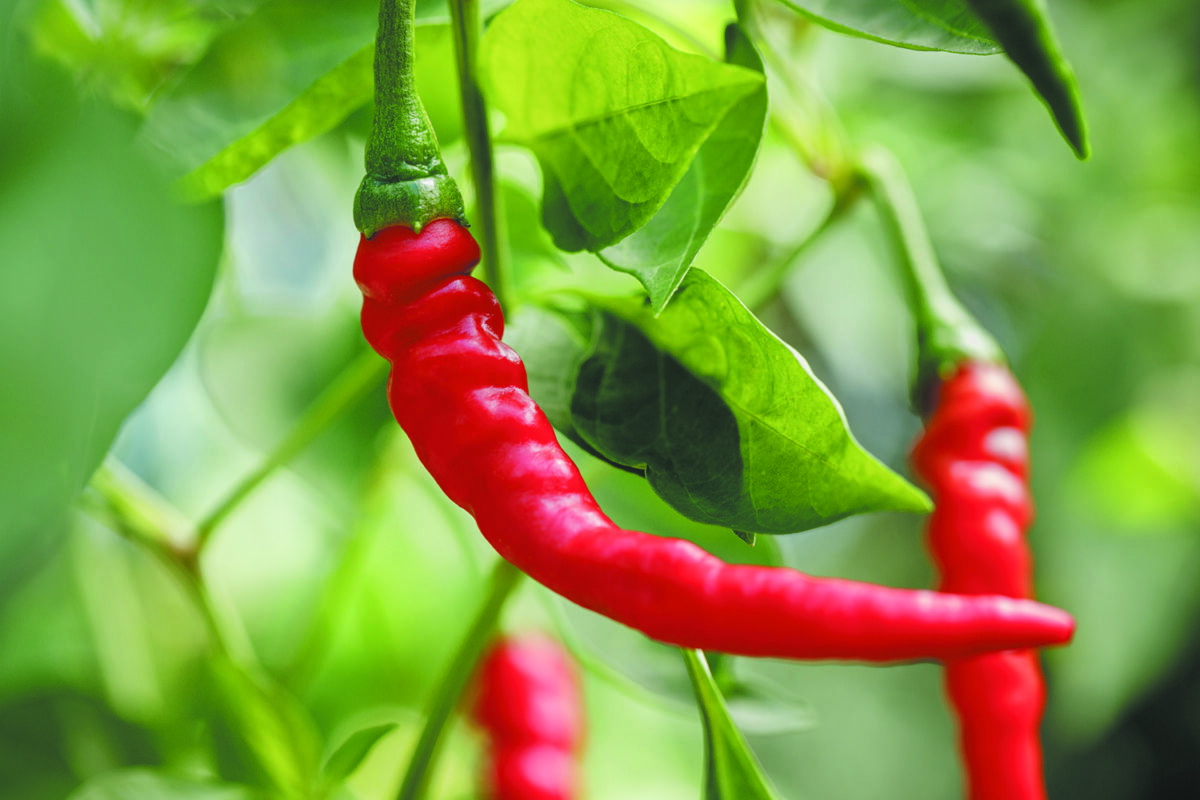
Part of the nightshade family of vegetables, cayenne peppers are usually bright red and glossy, and they’re generally 4 to 10 inches long with a curved tip. They’re also available in golden varieties.
On the Scoville scale—which measures the spiciness and heat of a variety of peppers—cayenne peppers fall in the medium-high range, at 30,000 to 50,000 Scoville heat units (SHUs). That makes them spicier than sweet bell peppers (0 SHUs) and jalapeños (2,500–8,000 SHUs) but less spicy than habaneros (over 100,000 SHUs) and the insanely hot Carolina reaper pepper (averaging 1.5 million SHUs).
Cayenne peppers may have originated in South America, but they now grow in places around the world and are found in many cuisines. (Christopher Columbus gets credit for introducing the world to cayenne peppers more than 500 years ago.)
Nutritional Profile of Cayenne Pepper
Curious about cayenne pepper nutrition? Well, cayenne peppers are packed with vitamins A, C, B6, E, potassium and iron. If you can tolerate eating about 3 ounces of fresh cayenne peppers, you can meet your daily requirements for vitamins A and E and most of your requirements for vitamin C. Unfortunately, most people can’t.
Top Health Benefits of Cayenne Pepper
The capsaicin compound found in cayenne peppers gives them their heat and also provides many anti-inflammatory and other benefits.
“Capsaicin provides health benefits including boosting metabolism for weight management and aiding in digestion,” Zumpano says. “It promotes heart health by improving circulation and provides vitamins A and C.”
Some cayenne pepper benefits include:
They’re rich in antioxidants and plant compounds. Cayenne peppers make a great addition to your diet. They are rich in antioxidants—the most of 20 hot peppers studied—and important plant compounds.
They support heart health. The antioxidants and capsaicin in cayenne peppers may confer a benefit of helping to reduce the risk of heart disease, as well as some cancers.
They aid digestion. Cayenne peppers may boost digestion by promoting a healthy gut microbiome that includes beneficial bacteria and helps break down food. Some people experience heartburn when eating spicy food. If you are one of these people but would like to experiment with cayenne pepper, try starting with a very small serving and increasing slowly as tolerated.
They may help with weight management. Cayenne peppers may boost metabolism and aid in maintaining a healthy weight as part of a nutritionally sound food plan. They may help reduce appetite, and robust flavors may make food more enjoyable. Maintaining a healthy weight reduces stress on joints and can help with arthritis symptoms, but these benefits occur when coupling the use of cayenne peppers with a healthy eating plan.
They have pain-relief and anti-inflammatory effects. In addition to being eaten in cayenne peppers, capsaicin is available in patches and creams that can be applied topically to painful joints and provide some relief and anti-inflammatory benefits. These products seem to help some people, but not everyone. A few years ago, medical experts hoped that capsaicin injections might serve as a treatment for arthritis, but early clinical trials did not show that the benefits outweighed the risk of side effects.
How to Use Cayenne Pepper in Your Diet
Cayenne pepper adds a kick to savory or sweet dishes. For the most intense cayenne pepper experience, try them raw in salads or as a snack. For slightly less intensity, cayenne peppers can be sautéed on their own or added to many savory dishes while cooking to add heat and nutrition.
It’s not always easy to find fresh cayenne peppers in grocery stores year-round, so many people add dried or powdered preparations to their food. Add as much or as little as your taste buds prefer. Dried, whole cayenne peppers can be added to soups, chilis, and other dishes while cooking.
Powdered cayenne pepper is easy to find in most spice aisles and simple to add to many foods and beverages, both sweet and savory. You can sprinkle a bit of ground cayenne pepper on almost anything. Spice levels will vary, so try before you decide how much to add. Cayenne pepper sprinkled in hot chocolate or morning coffee adds a spicy kick. Many chocolate desserts, such as brownies, cookies, chocolate frosting and fudge, benefit from added cayenne pepper for a bit of sweet heat. And increasing spice levels with cayenne pepper may help you add less salt to your food. Health benefits of reducing salt intake including reductions in blood pressure and fluid retention.
Potential Cayenne Pepper Side Effects and Precautions
Eating cayenne peppers has few risks. People sensitive to nightshade vegetables or spicy food may not tolerate cayenne peppers.
For individuals who dislike spicy food, Zumpano suggests starting with very small amounts of powdered cayenne or a few slivers of a fresh pepper added to a recipe. Many people find they can tolerate some spice and build up a tolerance for spicy food over time.
Zumpano advises against taking cayenne pepper supplements, citing poor industry regulation and standardization of these products.