Arthritis isn’t just about wear and tear on joints—it’s also closely tied to inflammation.
For instance, rheumatoid arthritis is characterized by widespread, or systemic, inflammation. Osteoarthritis (the most common form of arthritis) historically has been considered “wear and tear” arthritis, but we now know that it’s accompanied by an inflammatory response that’s localized to each individual arthritic joint.
“What we eat matters because diet can exacerbate or reduce inflammation. And the foundation of arthritis is typically an inflammatory state,” says Cleveland Clinic dietitian Julia Zumpano, RD, LD. “What you eat can help you manage that inflammation.”
How Diet Affects Arthritis and Inflammation
In clinical practice, Zumpano sees clear patterns between foods and inflammation: Diets high in processed foods, sugar, and unhealthy fats tend to worsen symptoms, while whole, nutrient-rich foods can help patients feel better over time. But there’s no one-size-fits-all list.
“Some foods are more inflammatory in general,” Zumpano explains, “but triggers can also be very individual.”
That’s why she often recommends using a food diary or trying a short-term elimination diet—in which you remove suspect foods from your eating pattern for a period to see if symptoms lessen or resolve and then reintroduce them to see if those symptoms return—as ways to pinpoint personal triggers.
12 Foods to Avoid with Arthritis
Zumpano cautions that food-related symptoms aren’t always immediate. “You can feel the negative effects of a food anywhere between a few minutes to up to 48 hours after you eat it,” she says. “Most people expect it to be immediate, but it’s not always.”
Individual responses to foods vary. With that in mind, here are 12 common foods and food groups that may worsen inflammation and what you should choose instead.
1. Added Sugars
Sugary drinks, desserts, sweets and candy are some of the biggest sources of added sugar in the modern diet. These highly concentrated sugars—especially high-fructose corn syrup—can promote inflammation. Not all sugar is equal. Small amounts of natural sweeteners are generally less problematic, especially when you control how much you use.
Try this instead: Choose unsweetened beverages and add a small amount of natural sweetener, like honey or maple syrup, if needed. Even better, train your taste buds to enjoy less sweetness over time.
2. Processed and Red Meats
Processed meats—such as bacon, sausage, hot dogs and deli meats—are strongly linked to inflammation. These foods often contain preservatives, excess sodium and unhealthy fats. Red meat itself isn’t necessarily the problem in moderation. The bigger concern is how it’s processed and produced. “Processed meats should be the number one thing you get rid of,” Zumpano says. If you do eat red meat, she recommends choosing lean, fresh cuts.
Try this instead: Opt for fresh, lean meats or plant-based proteins like beans and lentils. Choose higher-quality, grass-fed, organic meats when possible.
3. High-Fat Dairy Products
Dairy is a gray area. For some people, it can trigger inflammation; for others, it’s a great source of calcium and protein. High-fat, less nutrient-dense dairy products, such as cream cheese, sour cream and heavy cream, tend to offer less nutritional value and may contribute to inflammation.
However, nutrient-rich options like yogurt and fresh cheeses can be part of a healthy diet if tolerated.
Try this instead: Stick with Greek yogurt, milk or fresh cheeses, especially if you don’t notice symptoms after eating them. If you suspect dairy is a trigger, try eliminating all dairy for two weeks to see if your symptoms improve or resolve.
4. Fried and Fast Foods
Fried foods and fast foods are often high in unhealthy fats, refined carbohydrates and sodium, all of which can drive inflammation. Even homemade fried foods can be problematic, depending on the ingredients and cooking methods. That said, context matters. Preparing food at home with healthier oils and whole ingredients is still a better option than heavily processed takeout foods.
Try this instead: Choose baked, roasted or grilled foods. When you need convenience, look for fresh, minimally processed meals or prepare simple grab-and-go options at home. “Planning ahead is essential,” Zumpano says. Instead of buying a bucket of fried chicken, Zumpano prepares organic chicken in an egg wash, dusted with almond flour and pan fried in avocado oil.
5. Refined Carbohydrates
Refined carbohydrates like white bread, pastries, crackers and many baked goods quickly break down into sugar in the body, which can increase inflammation. These foods are also often packaged with unhealthy fats, added sugars and preservatives, adding to their inflammatory potential.
Try this instead: Focus on whole grains and complex carbohydrates such as oats, brown rice, quinoa and sweet potatoes.
6. Foods High in Salt
A high-sodium diet can contribute to inflammation by increasing fluid retention and blood pressure. The biggest source of excess sodium isn’t your saltshaker; it’s processed and packaged foods. “I’d actually rather have people keep the saltshaker and eliminate processed foods,” Zumpano says.
Try this instead: Cook more meals at home, where you can control sodium levels. Use herbs, spices and moderate amounts of salt for flavor.
7. Omega-6–Rich Vegetable Oils
Certain oils, such as soybean, corn, sunflower and safflower, are high in omega-6 fatty acids. While these fats aren’t inherently bad, an imbalance between omega-6 and anti-inflammatory omega-3 fats may promote inflammation. These oils are especially common in processed foods.
Try this instead: Use healthier fats like extra-virgin olive oil or avocado oil. Include omega-3-rich foods like fatty fish, walnuts and flaxseeds.
8. Alcohol
Alcohol can increase inflammation and may worsen arthritis symptoms, particularly for people with conditions like gout. “There’s really no healthy guideline with alcohol,” Zumpano notes. While occasional use may be acceptable for some people, regular consumption can be problematic. Gout, an inflammatory arthritis that frequently affects the big toe, is closely tied to alcohol consumption, especially beer.
Try this instead: Try a low sugar mocktail, a nonalcoholic drink, or a cup of hot or iced tea instead. Drinking alcohol tends to be habitual; having a replacement is key to kicking the habit. Limit alcohol to as little as possible. Save it for occasional celebrations rather than daily use.
9. Gluten-Containing Foods (for Some People)
Gluten isn’t an issue for everyone, but some people with arthritis find that it worsens their symptoms. Many gluten-containing foods, such as crackers and bread, are also refined and processed, which adds to their inflammatory potential.
Try this instead: If you suspect gluten sensitivity, try eliminating gluten for two weeks and track how you feel in a food diary. Choose whole, naturally gluten-free foods like brown rice, quinoa and potatoes.
10. Foods High in Advanced Glycation End Products (AGEs)
AGEs are compounds formed when sugars react with proteins or fats, especially during high-heat cooking methods like frying or grilling. These compounds can accumulate in the body and contribute to inflammation and tissue damage. Examples include French fries, fried chicken and high-heat-prepared fatty meat, such as flame-grilled barbecue ribs.
Try this instead: Use gentler cooking methods like steaming, boiling or stewing. Focus on fresh, minimally processed foods.
11. Artificial Sweeteners and Additives
Artificial sweeteners and food additives may trigger inflammation in some individuals. Switching from sugary drinks to artificially sweetened ones isn’t always the best solution. “Don’t replace a gallon of soda with a gallon of diet soda,” Zumpano advises.
Try this instead: Gradually reduce sweetness overall. Choose water, unsweetened tea or lightly sweetened beverages with small amounts of natural sugar, like honey or maple syrup, that you add yourself.
12. Nightshade Vegetables (for Sensitive Individuals)
Nightshade vegetables include tomatoes, peppers, eggplant and white potatoes. They contain compounds called alkaloids, which can trigger inflammation in some people. However, this issue is highly individualized. Many people tolerate these foods without any problems.
Try this instead: If you suspect sensitivity, try eliminating nightshades for two weeks to see if your symptoms improve or resolve.
Healthier Alternatives: What to Eat Instead
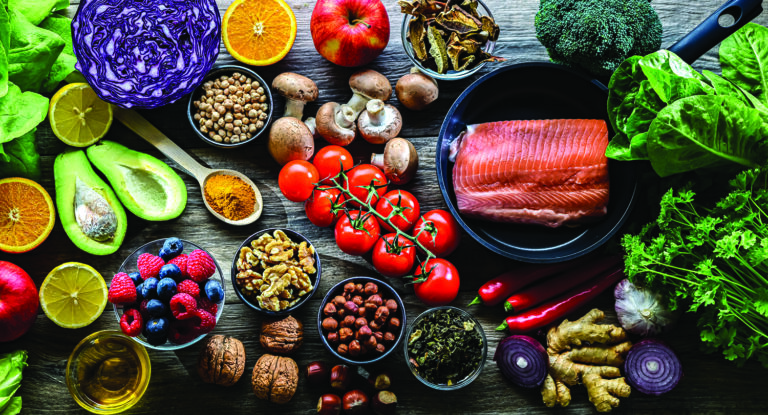
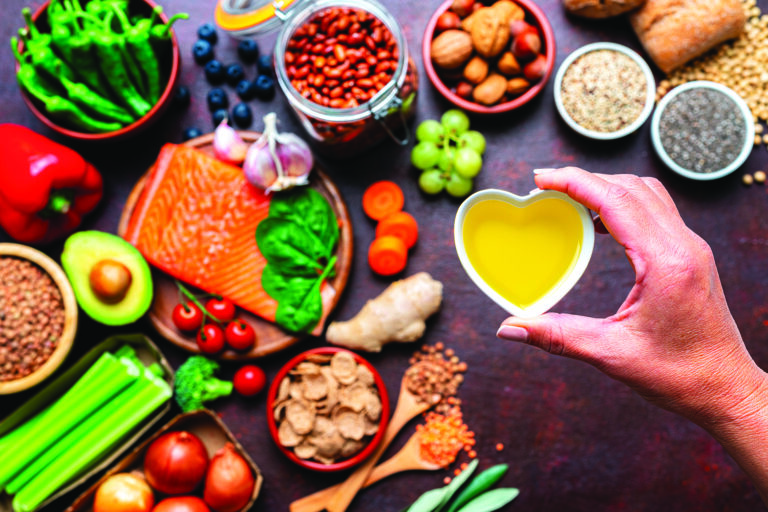
Since inflammation is a key underlying factor in arthritis, try building your diet around anti-inflammatory foods. These foods provide antioxidants, protein, healthy fats and nutrients that help support overall health and reduce inflammation:
- Leafy greens and cruciferous vegetables
- Berries and other fruits
- Fatty fish, such as salmon
- Nuts and seeds (especially walnuts, flaxseeds and chia seeds)
- Whole grains like oats and quinoa
- Beans and lentils
- Extra-virgin olive oil
- Avocados
- Green tea
- Spices like turmeric and ginger
Overall, diet alone won’t cure arthritis, but it can play a role in managing symptoms. By reducing inflammatory foods and focusing on whole, nutrient-dense options, you may be able to ease joint pain, improve mobility, and feel better overall. Paying attention to your body and making gradual, sustainable changes can make the difference.
Tips for Managing Arthritis Through Diet
Consider these other useful tips to guide you on how to use your diet to help manage arthritis:
- Keep healthy foods on hand. Stock your pantry and fridge with simple, anti-inflammatory options so you’re less tempted by processed foods.
- Use a food diary. Track what you eat and how you feel afterward to identify potential triggers.
- Consider an elimination diet. Temporarily removing common triggers (like dairy, gluten or nightshades) can help you pinpoint sensitivities. If you choose to remove several foods at once, be sure to reintroduce one food at a time for several days and then wait a few days before reintroducing a second food.
- Plan and prepare meals in advance. Having a plan helps you avoid relying on fast food or convenience options.
- Carefully review the labels of all food and beverage products you purchase. Be especially mindful of ingredients like sodium, added sugars, unhealthy fats and others that may promote inflammation.