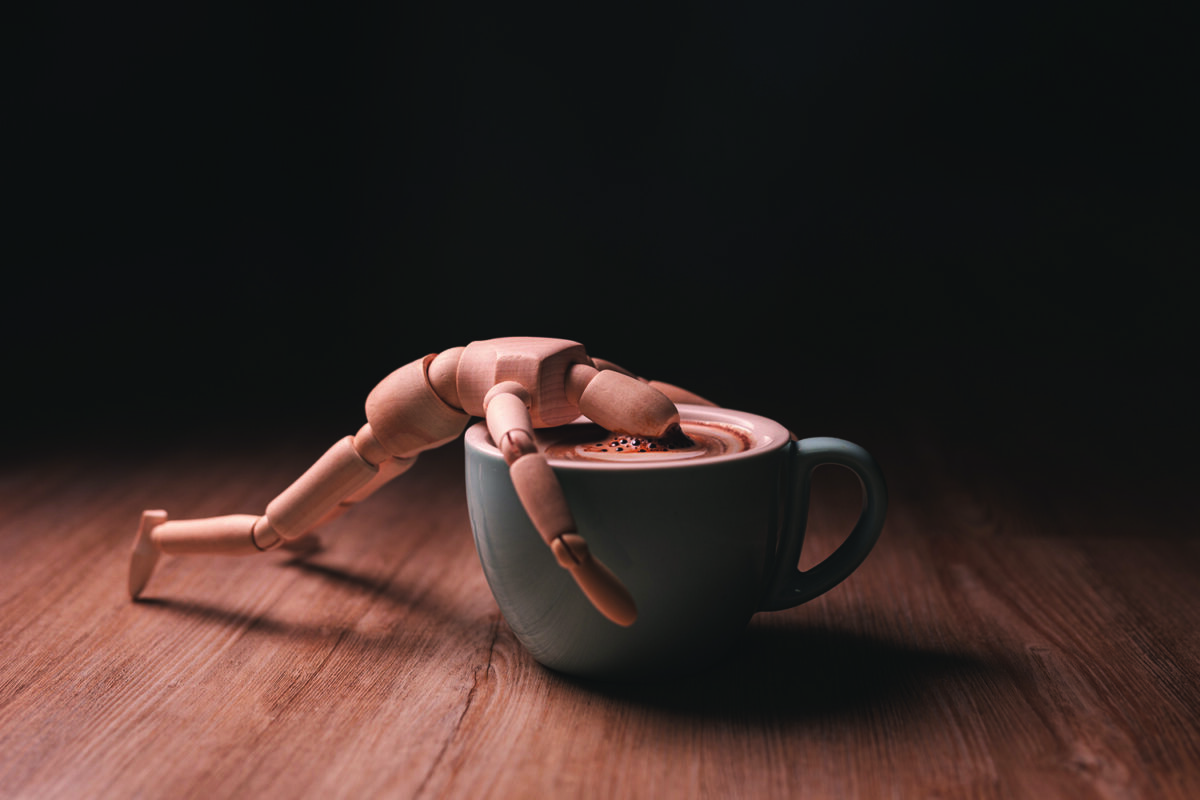
For many people, the day does not really begin until they have had their first cup of coffee or other caffeinated beverage or supplement. While caffeine can help you feel more awake and alert, using it regularly can cause your body to get used to it.
When you suddenly cut back or stop caffeine, you may feel tired, get a headache, or have trouble focusing. These signs of caffeine withdrawal are common and usually temporary. Knowing what to expect can make it easier to cut back. In many cases, slowly reducing caffeine instead of stopping all at once can help make the transition more comfortable.
What Is Caffeine Withdrawal?
Caffeine withdrawal happens if you regularly consume caffeine and suddenly stop or greatly reduce the amount you take in.
Caffeine is a stimulant. When you consume caffeine frequently, you can develop caffeine dependence, thereby requiring the stimulant to produce an alert feeling throughout the day.
“When you suddenly stop caffeine, your brain has to adjust to the change,” says dietitian Kristen Smith, PhD, RDN, LD. “This can lead to withdrawal symptoms.”
Having these symptoms does not mean you are addicted to caffeine. Rather, your body has become used to getting caffeine on a regular basis.
Why Does Caffeine Withdrawal Happen?
The main reason caffeine withdrawal occurs is that the brain adapts to regular caffeine use.
Caffeine blocks adenosine, a natural compound that normally makes you feel sleepy. When you drink caffeine every day, your body adjusts to having caffeine in your system. When you stop, adenosine can have a stronger effect. Consequently, you can be left feeling very tired or sleepy.
Caffeine also affects blood flow in the brain. When you stop drinking caffeine, changes in blood flow may play a role in the caffeine withdrawal headache that many people experience. That’s why someone who normally drinks several cups of coffee each day may suddenly feel tired and develop a headache when they skip their usual drinks.
Withdrawal symptoms can happen even if you do not drink huge amounts of caffeine. Research has found that some people can experience withdrawal after consuming about 100 milligrams of caffeine a day.
Common Symptoms of Caffeine Withdrawal
Caffeine withdrawal may cause an array of symptoms, including:
- Headache: A caffeine withdrawal headache is one of the most common symptoms. It may be mild or severe and can last for several days.
- Fatigue and low energy: Caffeine withdrawal fatigue can make you unusually tired. You may feel like you need a nap or have trouble getting through your normal activities.
- Irritability and mood changes: You may feel more impatient, cranky or easily annoyed than usual. Some people also experience mood changes.
- Trouble concentrating: Without caffeine, you may have a harder time staying focused. You may feel mentally foggy or have trouble getting work done.
- Anxiety: Some people experience caffeine withdrawal anxiety when they stop drinking caffeine. You may feel restless, nervous, or uncomfortable.
- Low mood: Temporary feelings of sadness or a depressed mood can occur during withdrawal.
- Shakiness: Some people notice changes in how they feel physically, including shakiness or trembling.
Caffeine withdrawal can also cause nausea, muscle aches, stiffness, and flu-like feelings. Some people notice changes in their sleep or digestion as their bodies adjust.
Not everyone will have all of these symptoms. Some people may have only a mild headache or feel tired for a day or two, while others may have several symptoms at once.
How Long Does Caffeine Withdrawal Last?
The answer is different for everyone. However, the caffeine withdrawal timeline usually follows a general pattern:
- Within 12 to 24 hours. Symptoms can begin during the first day after you stop or greatly reduce caffeine. A headache, tiredness, and trouble concentrating are common early symptoms.
- About one to two days. Symptoms often become strongest during this time. For some people, this is the hardest part of quitting caffeine.
- Within two to nine days. Most symptoms gradually improve and go away. Some people feel better after only a few days, while others may take longer to improve.
The amount of caffeine you normally drink can affect withdrawal. In general, people who consume larger amounts may have stronger symptoms.
The good news is that caffeine withdrawal is usually short-lived. Once your body adjusts to getting less or no caffeine, symptoms should subside.
Who Is Most at Risk?
Anyone who drinks caffeine regularly can experience withdrawal. However, some people may be more likely to have noticeable symptoms:
- People who drink a lot of caffeine. The more caffeine you consume each day, the more likely you may be to experience withdrawal when you stop.
- People who consume caffeine every day. Drinking caffeine regularly gives your body more time to adjust to it. Skipping caffeine can then lead to withdrawal symptoms.
- People who consume caffeine several times a day. Having coffee in the morning, an energy drink in the afternoon, and soda with dinner can lead to greater caffeine dependence.
- People who are sensitive to caffeine. Everyone reacts to caffeine differently. Some people feel its effects after a small amount, while others can drink several cups of coffee without feeling jittery.
Keep in mind that caffeine comes from many sources. Coffee and energy drinks are obvious ones, but tea, soda, chocolate, supplements, and some medications may also contain caffeine. Keeping track of everything you consume can help you understand how much caffeine you are getting each day.
How to Reduce or Manage Caffeine Withdrawal Symptoms
If you want to know how to quit caffeine without feeling terrible, consider these tips.
- Reduce caffeine gradually. Instead of stopping suddenly, reduce the amount you drink over several days or weeks. For example, if you normally drink four cups of coffee each day, cut back to three cups for several days, then two cups, and so on. Another option is to mix regular coffee with decaffeinated coffee. You can slowly increase the amount of decaf as you decrease the amount of regular coffee. “Caffeine is something that you want to taper down slowly,” Smith says. “You don’t want to quit cold turkey.”
- Drink plenty of water. Staying hydrated will not stop caffeine withdrawal, but it can help you feel better while your body adjusts. Keep water nearby throughout the day.
- Eat regular meals. Nutritious meals and snacks can help support your energy levels. Choose foods that contain protein, whole grains, fruits, and vegetables.
- Get enough sleep. You may feel more tired than usual when reducing caffeine. Give your body time to adjust, and try to keep a regular sleep schedule.
- Get some physical activity. A short walk or other light exercise may help you feel more alert when you are dealing with caffeine withdrawal fatigue.
- Find ways to manage stress. Deep breathing, stretching, walking outside, or taking a few quiet minutes can help you handle irritability and stress while you adjust.
- Be patient. One of the biggest challenges of quitting caffeine is knowing that you may not feel your best right away. Withdrawal symptoms are usually temporary.
Most caffeine withdrawal symptoms are mild and go away on their own. However, do not assume every headache, mood change, or other symptom is caused by caffeine withdrawal. Talk with a healthcare professional if your symptoms are severe, last longer than expected, or make it difficult to go about your normal activities. You should also seek medical care for symptoms that seem unusual or concerning.
If you take medications or have a health condition, ask your healthcare professional before making major changes to your caffeine intake.
The Bottom Line
Quitting caffeine does not have to mean giving up coffee or other caffeinated drinks overnight. For many people, gradually reducing caffeine is an easier approach.
Understanding the caffeine withdrawal symptoms you may experience—and knowing that they are usually temporary—can make the process less stressful. Start by reducing your caffeine intake slowly, drink plenty of water, eat balanced meals, and get enough sleep.
With time, your body can adjust to less caffeine. And if your goal is to become less dependent on caffeine, taking a slow and steady approach may help you get there with fewer unpleasant side effects.