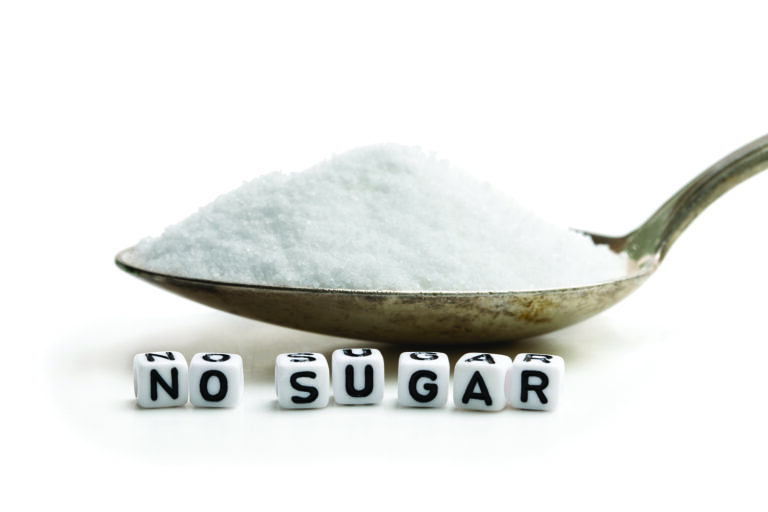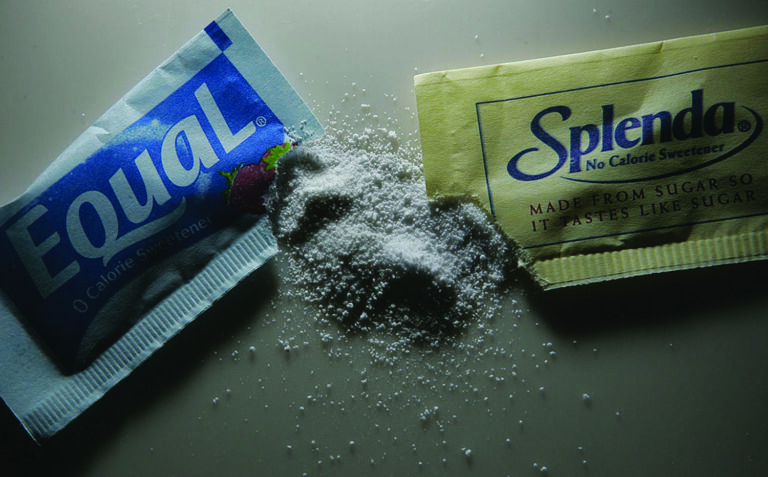
As more people look for ways to reduce their sugar intake, alternative sweeteners have become increasingly popular. One sweetener gaining attention is allulose, a low-calorie sugar substitute that tastes surprisingly similar to regular sugar.
Unlike many sugar alternatives, allulose provides sweetness without a strong aftertaste and works well in cooking and baking. It has also become popular among people with diabetes and those following low-carbohydrate or ketogenic (keto) diets because it has little impact on blood sugar levels.
But what exactly is allulose, and is it a healthy replacement for sugar? Here’s what we know about its benefits, safety, possible side effects, and how it compares to other sweeteners.
What Is Allulose?
Allulose is a type of sugar known as a “rare sugar” because it naturally occurs in only small amounts. It can be found in foods such as figs, raisins, wheat, maple syrup, and molasses.
Since these foods contain very little allulose, manufacturers typically produce it from fructose, a naturally occurring sugar found in plants. Although it is made through a manufacturing process, the final product is chemically identical to the allulose found in nature.
Today, allulose is used in a growing number of products, including protein bars, ice cream, beverages, baked goods, and other reduced-sugar foods.
“Allulose is increasing in popularity for many reasons, including the fact that it behaves in a similar way to regular sugar,” says Kristen Smith, PhD, RDN, LD, a nutrition researcher and consultant. “It dissolves easily, helps baked goods stay moist, and browns during cooking.”
Allulose is roughly 70% as sweet as sugar, and because of its sugar-like taste and texture, many consumers find it easier to use than other sweeteners.
How Does Allulose Compare to Sugar and Other Sweeteners?
One of the biggest differences between allulose and regular sugar is how the body processes them. Table sugar contains about four calories per gram and raises blood sugar levels after consumption.
In comparison, allulose contains only about 0.4 calories per gram. Most of the allulose people consume is absorbed by the body and then excreted rather than being used for energy. This is why it contributes so few calories compared with sugar.
When compared with other sugar substitutes, allulose also has several unique advantages, Smith says. Artificial sweeteners such as sucralose and aspartame provide sweetness without calories, but some people dislike their aftertaste. Natural sweeteners such as stevia and monk fruit are popular options, yet they can also leave a lingering flavor that some consumers find unpleasant.
“Allulose stands out because its taste, texture, and cooking properties are closer to those of regular sugar,” Smith says “For many consumers, that makes it easier to use in everyday recipes and packaged foods.”
And, sugar alcohols—examples include erythritol, xylitol, maltitol, mannitol, and sorbitol—contain fewer calories than sugar, but they are known to cause digestive discomfort in some people. Furthermore, some research has linked certain sugar alcohols to increased cardiovascular risk, prompting some experts to recommend allulose instead and thereby contributing to its growing popularity.
Potential Benefits of Allulose
As researchers continue to study allulose, several potential benefits have already been identified.
One of the most noticeable allulose benefits is its taste and texture. Unlike some sugar substitutes that can alter the flavor of foods, allulose tastes very similar to sugar. It also helps maintain the texture, moisture, and browning that are important in baked goods and desserts.
Another major benefit is that allulose contains about 90% fewer calories than sugar, making it appealing to people who want to reduce their calorie intake without giving up sweet foods entirely.
Additionally, studies suggest allulose has little effect on blood glucose levels and may even help reduce blood sugar spikes after meals. In fact, a 2024 review of clinical studies found that allulose lowered post-meal blood sugar levels in people with type 2 diabetes.
“Because it is low in calories and does not significantly affect blood sugar, allulose has become especially popular among people following keto, low-carbohydrate, and diabetes-friendly eating plans,” Smith says. “While it is not a cure for any health condition, it may help people reduce their overall sugar intake while still enjoying sweet foods.”
Is Allulose Safe?
Current evidence suggests that allulose is safe for most healthy adults when consumed in moderation.
In the United States, allulose is considered Generally Recognized as Safe (GRAS) by the Food and Drug Administration (FDA), meaning that the agency reviewed available research and determined that it can be safely used in foods. The FDA has also allowed manufacturers to exclude allulose from the “total sugars” and “added sugars” categories on Nutrition Facts labels because it affects the body differently than traditional sugar.
Allulose has been approved for use in a number of countries, including Japan, South Korea, Mexico, and Singapore, in addition to the United States.
Most studies have found that allulose is well tolerated and does not raise major safety concerns. However, experts note that more research is needed to understand what happens when people consume it regularly for many years. Most nutrition experts agree that moderate intake appears safe, but they also support continued research into long-term use.
Possible Allulose Side Effects and Concerns
Although allulose is generally considered safe, some people may experience side effects. The most commonly reported issues involve digestion. Consuming allulose may cause bloating, gas, stomach discomfort, nausea, or diarrhea. These symptoms are usually mild and tend to occur with high intake.
People with sensitive digestive systems may want to introduce allulose gradually to see how they tolerate it. Those with digestive disorders or other medical concerns should talk with a healthcare professional before significantly increasing their intake of any sugar substitute, Smith says. For most healthy adults, occasional digestive discomfort appears to be the primary concern associated with allulose.
Researchers are also continuing to investigate other health considerations, including the potential effects of long-term consumption. So far, the available evidence is reassuring, but studies are still ongoing.
Practical Tips for Using Allulose
If you’re interested in trying allulose, keep these practical points in mind.
- Because allulose is about 70% as sweet as sugar, recipes may require slightly more of it to achieve the same sweetness level. In many cases, it can be substituted for sugar in baking, although some experimentation may be needed.
- Allulose also tends to brown more quickly than regular sugar. When you’re baking, lowering the oven temperature slightly or shortening the cooking time may help prevent over-browning.
- As with any sweetener, moderation is important. “While allulose can be a useful tool for reducing sugar intake, consider it as part of an overall balanced diet rather than a reason to consume more sweets,” Smith advises.
If you’re looking to reduce calories or better manage blood sugar levels, allulose offers a promising alternative to sugar. Its sugar-like taste, low calorie content, and minimal impact on blood glucose make it one of the most appealing sweeteners available. Although researchers continue to study its long-term effects, current evidence suggests it can be safely enjoyed as part of a healthy eating pattern.