Wrapping up in a warm towel after a shower or a long soak in the tub is one of life’s luxuries. That’s the benefit of a towel warmer—your towel is warmed up and ready to use.
We asked Christina Giaquinto, professional organizer at Modular Closets, for her recommendations for the top towel warmers.
What Is a Towel Warmer?
An electric towel warmer can be used for more than just towels—you can warm up robes, gloves, scarves…pretty much anything you choose. A clothes dryer uses strong airflow to dry wet clothes, whereas a towel warmer is meant to heat dry towels. “Dryers are meant for full laundry cycles and can overdry the fabric if you simply toss in the towel in to warm it up,” says Giaquinto.
Key Benefits of Using a Towel Warmer
In addition to warming your towels, a towel warmer can give your bathroom a spa-like ambiance. “I always advise my clients to get a towel warmer because it is designed for daily comfort and convenience,” says Giaquinto.
It can also help extend the life of your towels. “Towel warmers will keep towels warm, dry and fresh between uses without overdrying the fabric,” says Giaquinto.
You can also expect…
- Even and consistent heating: Towels will be ready to use when you need them. “Unlike just tossing a towel in the dryer to warm it up, towel warmers are specifically designed to keep towels consistently warm, dry them more efficiently between uses, and help reduce lingering moisture that can contribute to musty odors. It is best to turn on the towel warmer 15 to 30 minutes before you plan to use a towel to give it enough time to warm the fabric comfortably,” says Giaquinto.
- Reduces moisture: Towel warmers prevent towels from getting damp in moist environments or between uses. “It’s especially useful in humid climates or in busy households where towels are reused all the time,” says Giaquinto.
- More energy-efficient: Repeatedly running your dryer just to warm up a towel can increase your energy bill, warns Giaquinto. Towel warmers use about 75% to 95% less electricity than a dryer and reduce your overall laundry time.
- Fresher bathroom: A damp towel on the rack or over the shower curtain rod can cause less-than-fresh odors in your bathroom. “A towel warmer can reduce any lingering moisture, mildew and musty odors in the bathroom,” says Giaquinto.
Reminder: It is best to keep young children away from towel warmers or be sure the warmer is turned off.
Best Towel Warmers by Type
There are a variety of different types of towel warmers available. Choose the one that suits your home’s overall needs and preferences. Below, Giaquinto recommends various electric, hydronic and other models for your bathroom. But your first decision is whether you want a wall-mounted or freestanding towel warmer…
Wall-mounted towel warmers, such as electric and hydronic options, are fixed in place and attached directly to your wall.
Freestanding towel warmers don’t require installation and can be moved from room to room. Giaquinto recommends freestanding models for renters or homeowners who don’t want a permanent installation. “A freestanding towel warmer can be repositioned as needed,” she explains. “Many homeowners I’ve worked with appreciate their plug-and-use convenience and that they are a simple upgrade without the need for a major effort or renovation.”
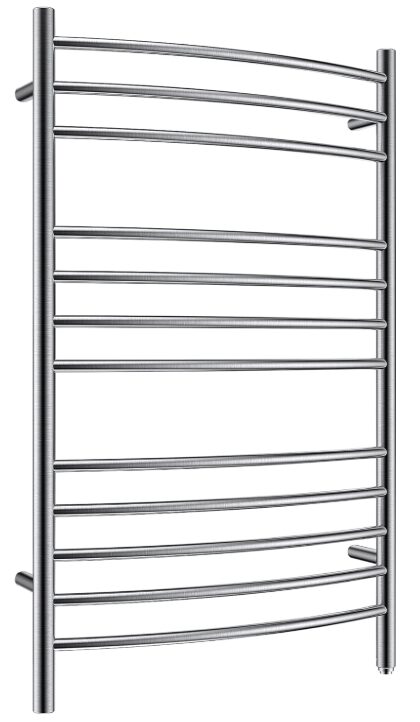
Best electric towel warmer: HEATGENE electric towel rack
“It is large and perfect for family use,” she says. “The sleek design really works with any kind of decor aesthetic.” It can be plugged in or hardwired depending on your preferences. This model does not offer temperature control, but it does have overheat protection for those concerned about safety.
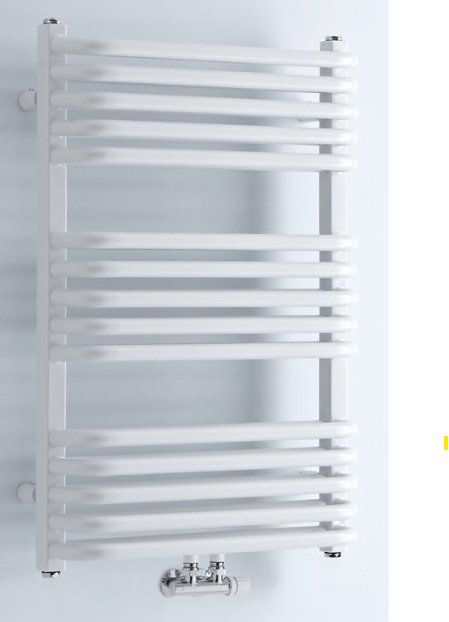
Best hydronic towel warmer: Hudson Reed’s Arch Hydronic Heated Towel Warmer
“It features a white powder coat finish and outstanding heat output, ” she says. “I’ve helped my clients install this towel warmer on several occasions, and they loved how it kept their towels warm and dry.” Note: This one does not have temperature control.
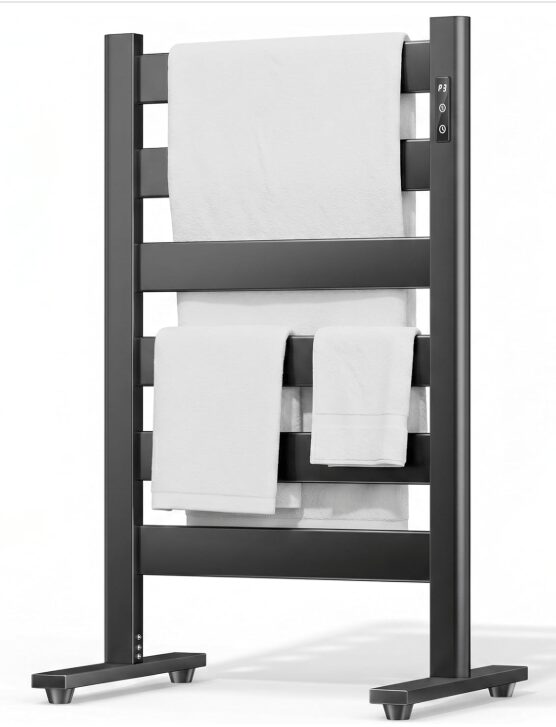
Best freestanding towel warmer: Sawlece’s Freestanding Heated Towel Rack
The sleek design is enhanced by fast Postive Temperature Coefficient (PTC) heating—a self-regulating electric heater made of ceramic materials— that you can adjust to temperatures between 110°F and 170°F. “It will keep towels warm while conserving energy. Turn this towel warmer on about 25 minutes before you need to use a towel,” says Giaquinto.
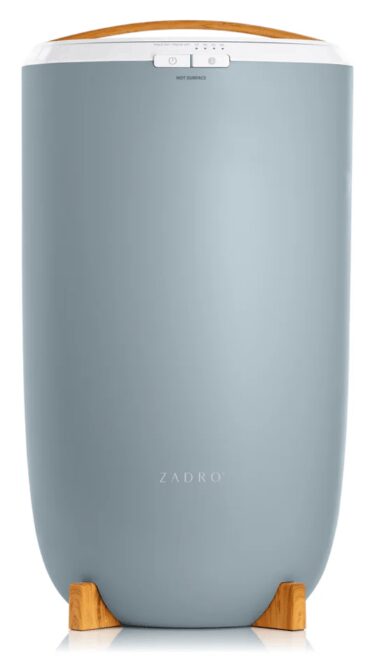
Best freestanding barrel towel warmer: Zadro Large Towel Warmer Bucket
This towel warmer is super sleek and can accommodate two large bath towels.
How to Choose the Right Towel Warmer for Your Needs
“When deciding on a towel warmer, consider your bathroom size, daily habits and whether you have the flexibility for a renovation,” advises Giaquinto. Also consider the number of towels you’ll need to keep warm and your bathroom’s design. Before making a purchase…
Measure your bathroom
Consider how much room you have to work with. If you have limited space, a wall-mounted towel warmer can save room, says Giaquinto. “Keep in mind that while larger towel warmers can heat multiple towels, they require more wall space and more electricity than smaller towel warmers,” advises Giaquinto.
Consider your budget
Size, style and installation method can lead to higher costs, notes Giaquinto. “Hardwired and hydronic models offer a sleek, built-in look…but for a higher price point. It typically costs from $500 to $1,800 to install a hardwired electric towel warmer and between $1,200 to more than $4,000 to install a hydronic towel warmer.”
Determine the installation method
If you are willing to put in the elbow grease or pay for expert installation, you may prefer a wall-mounted hardwired electric or hydronic towel warmer. “For those who want to move their towel warmer among bathrooms, freestanding options offer portability,” says Giaquinto. Freestanding is also ideal for renters with restrictions on major installations in their homes, as outlined in their rental agreement.
Select features
Towel warmers come with a variety of different features that can make them even more appealing. “Various towel warmer styles offer features like timers and temperature controls,” says Giaquinto. “You also may want a towel warmer that is more energy-efficient. While they are more expensive to install, hydronic towel warmers are the most energy-efficient because they connect to a home’s water-heating system and use circulating hot water to provide heat. They rely on an existing boiler rather than a dedicated electric heating element.”
Safe Installation and Use
There are a few easy-to-follow towel warmer safety tips to keep in mind…
Follow manufacturer’s guidelines
Your purchase should include clear installation instructions and guidelines on how to use your towel warmer. “Properly installing your towel warmer will prevent overheating, electrical issues and moisture-related hazards (particularly in bathrooms where water exposure happens often),” says Giaquinto.
Avoid overloading the towel warmer
If your towel is excessively damp, use the dryer instead. “Towel warmers are designed specifically for towels and light fabrics, not to dry large garments or bulky materials,” warns Giaquinto.
Keep electric components away from water
Follow the appropriate safety guidelines for your towel warmer, including keeping all cords, plug connections and other electrical components away from water. “Regularly inspect the unit for signs of wear or damage,” says Giaquinto. “Also, if the towel warmer comes on unusually hot or doesn’t function properly, don’t use it until it has been checked or repaired.”