Most adults have experienced the onset of midday sleepiness. It raises a common question: Are naps good for you? The answer is yes, but only if you nap strategically. A well-timed, short nap can improve alertness, sharpen memory, boost mood, and help you perform better for the rest of the day. But not all naps are the same.
“Napping that is not done correctly is almost like snacking when you’re trying to lose weight,” says Alon Y. Avidan, MD, MPH, professor of neurology and director of the UCLA Sleep Disorders Center. “There is a fine balance,” he says.
What Are the Benefits of Napping?
A systematic review and meta-analysis published in Sleep Medicine Reviews in 2022 reported that napping can temporarily restore mental energy, improve cognitive performance, and reduce fatigue. Here’s a look at some of the benefits of napping.
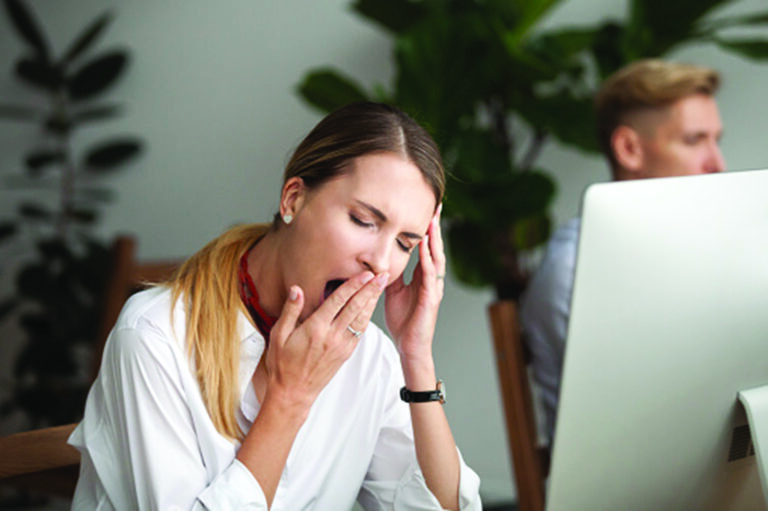
One of the biggest benefits of napping is renewed alertness. Many people naturally experience a dip in energy during the early afternoon because of the body’s internal circadian rhythm.
“The period between 1 p.m. and 3 p.m. is part of the normal physiology of the circadian cycle,” Dr. Avidan explains. “At that point in the middle of the day, particularly after lunchtime, there is a reduction in alertness.”
He explains that the brain chemical adenosine gradually builds up the longer we’re awake, creating increasing sleep pressure. A brief power nap during this window can restore alertness without interfering with nighttime sleep.
Sleep deprivation affects emotional regulation as much as it affects thinking. Even a short nap may improve mood, reduce irritability, and make stressful situations feel more manageable, according to a study in the Journal of Sleep Research. People who nap appropriately often report feeling refreshed, calmer, and more patient afterward. This is especially helpful after a poor night’s sleep or during periods of increased mental demand. But the key is moderation. Sleeping too long can have the opposite effect, leaving you feeling sluggish and mentally foggy rather than refreshed.
Napping and memory are also linked. Research suggests that brief naps help the brain consolidate newly learned information, making it easier to remember facts, skills, and experiences later. Studies have found that students, shift workers, and professionals who take short naps often perform better on tests of attention, learning, and memory than those who simply push through fatigue. For older adults, maintaining healthy sleep habits is especially important because poor nighttime sleep can affect thinking and memory over time.
Scientists continue to study whether regular, healthy napping contributes to long-term health. While the strongest evidence for napping supports improvements in alertness and cognitive performance, some studies suggest that napping and heart health are linked, as appropriately timed naps may reduce stress on the cardiovascular system and lower levels of stress hormones.
The important distinction is that healthy naps complement good nighttime sleep rather than replace it. “Sleep is not a bank account,” Dr. Avidan says. “You can’t just add numbers and expect everything to balance out.”
Are There Any Drawbacks to Napping?
Like many healthy habits, napping can become unhealthy when done incorrectly. One of the biggest drawbacks of napping is sleep inertia, the groggy, disoriented feeling that sometimes occurs after waking.
“If a nap is longer than 30 to 40 minutes, you are more likely to get into deeper sleep and wake up more groggy,” Dr. Avidan says. “That’s sleep inertia, a relative period of confusion when you wake up.”
Longer naps may also produce what sleep specialists sometimes call sleep drunkenness. “If the nap is longer than 30 minutes, people may experience…a sense of cognitive slowing, depression, irritability, and other effects,” Dr. Avidan says. This happens because you’re more likely to wake from deeper stages of sleep, leaving your brain temporarily sluggish.
Late-day naps can also make it harder to fall asleep at bedtime. “A lot of people don’t realize they’re going to have a harder time falling asleep at night,” Dr. Avidan cautions. If you already struggle with insomnia, limiting or avoiding naps may improve your nighttime sleep.
Perhaps the most overlooked concern is when someone suddenly begins needing naps after years of functioning well without them. It can signal an underlying sleep disorder that is unrecognized. Conditions such as obstructive sleep apnea, restless legs syndrome, depression, chronic pain, medication side effects, or other medical problems can all interfere with nighttime sleep and lead to excessive daytime sleepiness.
How Long Should a Nap Be?
If you’ve ever awakened from a nap feeling more exhausted than before you fell asleep, the length of your nap is probably to blame. Dr. Avidan recommends what he calls a strategic power nap. “It is short, about 15 to 20 minutes, and it has to be taken in the early part of the afternoon.”
A 15- to 20-minute power nap allows your brain to rest without entering the deeper stages of sleep that can leave you feeling disoriented afterward. Many people wake feeling more alert, focused, and energized.
“I usually tell my patients to set an alarm because, if not, they will likely sleep longer and feel groggy,” Dr. Avidan says. “Set the alarm for 25 or 30 minutes before the nap.” The extra few minutes account for the time it takes to fall asleep while still limiting the total sleep period.
Although it may be tempting to sleep for an hour or more, longer isn’t necessarily better. As your nap extends beyond 30 minutes, you’re more likely to enter deeper stages of sleep. Waking during those stages increases the chances of sleep inertia, leaving you feeling sluggish instead of refreshed. Long naps can also reduce your body’s natural drive to sleep later that evening, making it harder to fall asleep or stay asleep at night.
“Napping is healthy when it’s timed correctly and is of an appropriate duration,” Dr. Avidan says. “But taking too long of a nap, particularly later in the day, can become problematic.”
When Is the Best Time to Nap?
Timing matters almost as much as duration. The best time to nap is usually during the body’s natural dip in alertness, typically between early afternoon and midafternoon.
“The nap has to be between about 12 p.m. and 2 p.m. or 3 p.m., not earlier and definitely not later,” Dr. Avidan says. This timing aligns with your circadian rhythm, the body’s internal clock that regulates sleep and wakefulness.
Many people mistakenly blame lunch for their afternoon fatigue, but Dr. Avidan says the dip would occur even without eating because it reflects the body’s normal biological rhythm. Interestingly, alertness naturally rebounds later in the day. “After 3 p.m., whether you take a nap or not, there is an increase in alertness until about 9 p.m.,” he explains.
Who Should, and Shouldn’t, Nap?
For many healthy adults, an occasional short nap is perfectly reasonable. People who may benefit the most include:
- Adults who had a poor night’s sleep
- Shift workers with irregular schedules
- People recovering from illness
- Individuals with particularly demanding mental or physical jobs
- Older adults who become sleepy despite maintaining healthy nighttime sleep habits
However, not everyone should routinely nap. If you have chronic insomnia, frequent late-day naps may make your nighttime sleep worse. Likewise, relying on daily naps to function could be masking an untreated sleep disorder. Dr. Avidan emphasizes that older adults still need about seven to eight hours of sleep each night.
“Some physicians mistakenly assume that as you get older you need less sleep. That is a myth,” he says. “Older adults need just as much sleep.”
If you regularly wake feeling unrefreshed, snore loudly, gasp during sleep, frequently move your legs at night, or find yourself needing long naps every day, discuss these symptoms with your healthcare provider.
Tips for Healthy Napping
Following a few simple guidelines can help you enjoy the benefits of napping while avoiding the drawbacks. Here are some napping tips for adults:
- Keep naps short. Aim for about 15 to 20 minutes. This duration is long enough to restore alertness but short enough to reduce the risk of sleep inertia.
- Nap early in the afternoon. Try to nap between noon and 3 p.m. whenever possible. Avoid late-afternoon naps that can interfere with nighttime sleep.
- Set an alarm. It’s easy to sleep longer than intended. Setting an alarm before lying down helps keep your nap in the ideal range.
- Find a quiet, comfortable environment. A cool, dimly lit room with minimal noise makes it easier to fall asleep quickly.
- Don’t use naps to make up for chronic sleep loss. While an occasional nap can help you feel more alert, it isn’t a substitute for getting enough quality sleep at night.
Finally, pay attention to what your body is telling you. If you’ve suddenly started needing naps every day, or if you’re consistently exhausted despite spending enough time in bed, don’t assume it’s simply part of getting older. As Dr. Avidan notes, excessive daytime sleepiness can be an important clue that something is disrupting your nighttime sleep and deserves medical evaluation.
For most healthy adults, the answer to “Are naps good for you?” is yes, provided they’re short, well timed, and viewed as a supplement to healthy nighttime sleep rather than a replacement.