Whether you play contact sports, run marathons or simply stand for extended periods or take walks around the neighborhood, your knees can take a beating. So, the bones that comprise the knee require something to relieve stress and ease the forces placed on the joint.
That “something” is the meniscus, a piece of cartilage in your knee that helps to cushion and protect the joint. Trouble is, these knee cushions can be susceptible to damage, resulting in a meniscus tear.
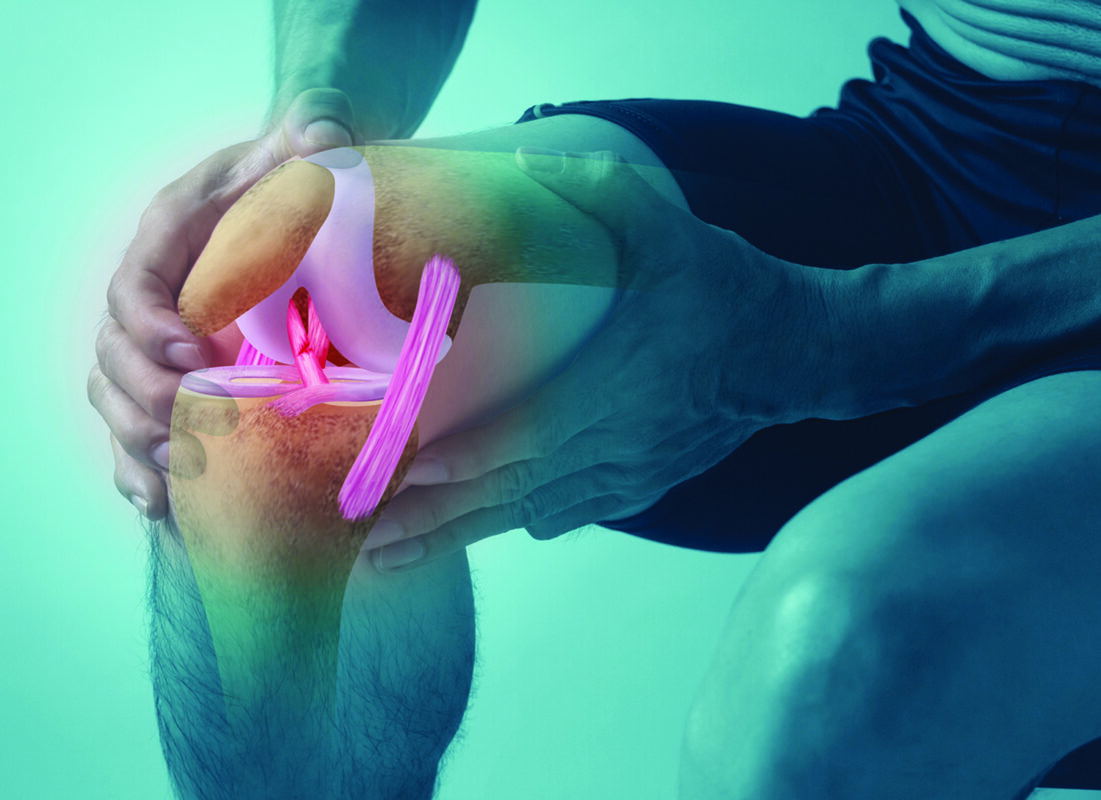
“A meniscus tear is an injury to the cartilage that sits between your thighbone and your shin bone,” explains Cleveland Clinic orthopedic surgeon Lutul Farrow, MD. “When there’s any damage to the meniscus, that’s classified as a tear.”
Meniscus tears can happen suddenly from an injury or develop slowly over time. The choice of meniscus tear treatment depends on how severe the tear is and whether you also have other knee problems, such as knee arthritis. Meniscus tears and knee arthritis are closely linked. “People with meniscus tears can go on to develop more arthritis because they’ve lost a bit of that cushioning or shock absorber,” Dr. Farrow says. Arthritis can also make meniscus tears harder to diagnose and treat.
What Is a Meniscus Tear?
The meniscus is one of two types of cartilage inside the knee. “There’s your articular cartilage that we put weight on, and then there’s the meniscus cartilage, which is a different kind of cartilage that sits between your weight-bearing cartilage,” Dr. Farrow explains. The meniscus can tear on either side of the knee. In rare cases, a person can tear both the inner and outer meniscus at the same time.
Some meniscus tears cause significant pain, but others cause no symptoms at all. “Many people are walking around with meniscus tears they don’t know about, and they’ve been there for years,” Dr. Farrow says. As people age, wear and tear in the meniscus becomes more common.
Causes and Risk Factors
In younger people, meniscus tears are often caused by sports injuries, especially during sudden cutting or pivoting movements in sports like soccer, basketball, football, and rugby. They can also happen after falls, car accidents, or other trauma.
“Young people with meniscus tears tend to have injuries. They tend to remember an episode,” Dr. Farrow says. “As we get older, there’s a subset of people who don’t recall an incident. They just know that their knee started hurting.”
One specific type of tear, called a meniscus root tear, is more common in women ages 40 to 60. These tears can happen with little trauma, can be very painful, and may require surgery. People with knee arthritis or an anterior cruciate ligament (ACL) tear also have a higher risk of meniscus tears.
Symptoms of a Meniscus Tear
One of the most common meniscus tear symptoms is one-sided knee pain in a specific spot, though it could be on the inside or outside of the knee. Only rarely are both sides of the knee involved. People with a meniscus tear often have swelling (sometimes called “water on the knee”) and stiffness that accompanies the swelling. Some experience pain with weight-bearing, as well as mechanical symptoms, including popping, clicking, locking, or sudden buckling of the knee.
Typically, people can identify the exact spot that hurts. “I say, ‘Where do you hurt?’ and they take a finger and they point to one side of their knee,” Dr. Farrow says. Because meniscus tears often happen along with arthritis or ligament injuries, symptoms can overlap.
How Is a Meniscus Tear Diagnosed?
Meniscus tear diagnosis usually includes a review of your medical history, physical exam, and imaging tests. “The history is the most powerful. Many times, a diagnosis is already clear once you listen to the history,” Dr. Farrow says.
During the exam, a healthcare provider may move and twist your knee to check for pain and other signs of a tear. Imaging will include x-rays and magnetic resonance imaging (MRI) to look for arthritis and other bone problems. An MRI is the best imaging test for visualizing the meniscus and other soft tissues in the knee, and it will also show other knee conditions that frequently accompany meniscus tears.
“If people have a lot of arthritis inside their knee, then we need to try to determine whether it’s the arthritis that’s the problem versus the meniscus itself,” Dr. Farrow says.
Treatment Options for Meniscus Tears
Meniscus tear treatment may be nonsurgical or surgical, depending on the tear and any other knee conditions.
- Conservative (nonsurgical) treatment is commonly tried first. “Not every meniscus tear needs surgery,” Dr. Farrow says. “Physical therapy is a good first-line treatment for many people, and it actually works about 70% to 80% of the time.” Crutches are not always mandatory with typical meniscus tears, but some people benefit from non-weight-bearing or partial weight-bearing for a period of time to reduce pain and allow for healing. Ice, elevation, and use of nonsteroidal anti-inflammatory drugs like ibuprofen can also help. While you’re healing, stay away from activities that cause pain, Dr. Farrow advises.
- Surgery may be recommended for more severe tears or tears that do not improve with conservative treatment. “Most tears that we see are not repairable tears,” Dr. Farrow says. “Only in about 10% of tears can we put stitches in and repair it.” Surgical options may include arthroscopy and meniscal transplantation. “Arthroscopy in the setting of bad arthritis is not typically very fruitful,” Dr. Farrow advises. For people with both a meniscus tear and significant symptomatic arthritis, a partial or total knee replacement may be a better option.
- Emerging therapies include regenerative medicine and meniscal scaffolds. Regenerative medicine may involve injections such as platelet-rich plasma or bone marrow aspirate concentrate. Meniscal scaffolds, which are materials used to help replace damaged meniscus tissue, are still in clinical trials in the United States and are not yet widely available.
Recovery and Outlook
Many people with minor meniscus tears recover well with nonsurgical treatment. For those who require surgery, recovery can take days, weeks, or months, depending on the procedure and person.
“Most people don’t necessarily need to be on crutches after surgery. They are walking normally within a few days and are generally transitioning back into activity somewhere between three to six weeks,” Dr. Farrow says. “It can take anywhere from four to six months after a repair before people are sent back to their full athletic activities.”
People who have part of the meniscus removed, or “trimmed,” may have a higher long-term risk of osteoarthritis. That risk is lower when the meniscus can be repaired.
Preventing Meniscus Tears
There’s no guaranteed way to prevent a meniscus tear.
“There are no special shots or vitamins or foods that are going to stop you from getting a meniscus tear,” Dr. Farrow says. Still, you can lower stress on your knees by maintaining a healthy weight, warming up before exercise, stretching, and using proper equipment for sports and physical activity.