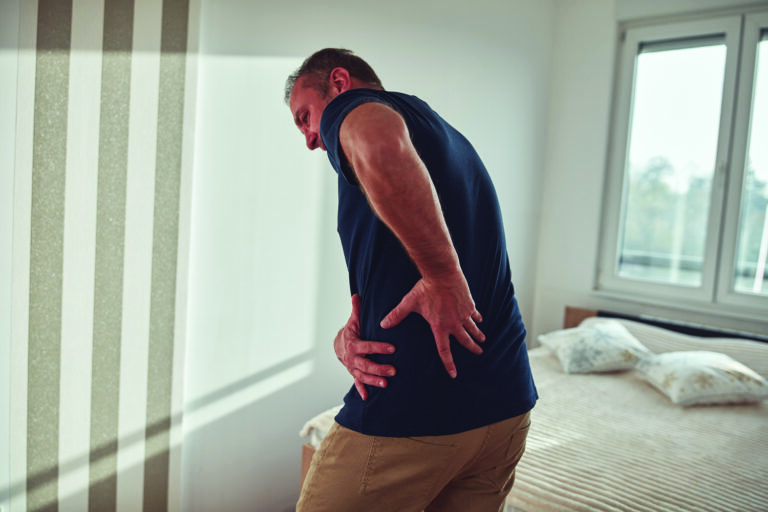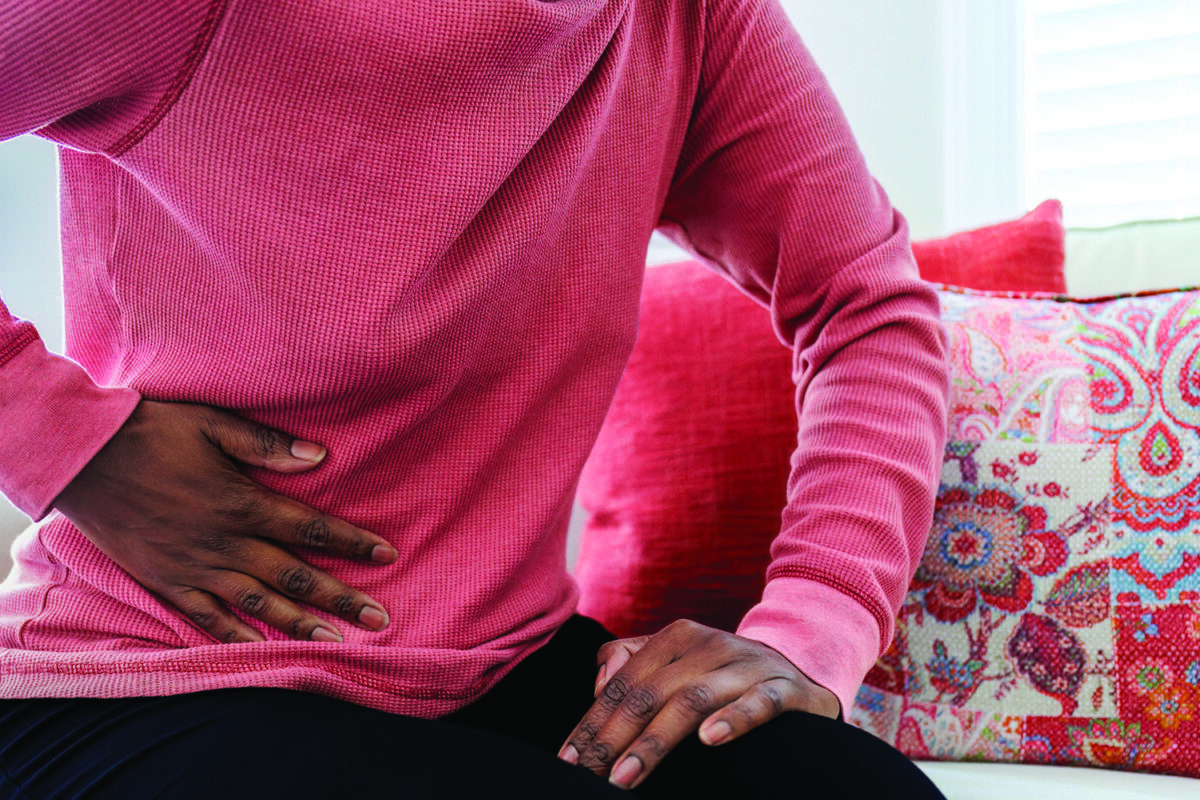
Does eating a meal cause intense, steady pain on the right side of your upper abdomen? And does the pain generally radiate to your shoulder and upper back?
If you’re answering yes, then it’s likely that your discomfort is coming from your gallbladder. Gallbladder problems (particularly gallstones) become more common in older age, and some of them can result in potentially serious complications if they aren’t treated. In fact, gallbladder removal surgery is one of the most common abdominal procedures performed in the United States.
What Is the Gallbladder and What Does It Do
The gallbladder is a pear-shaped organ located just beneath your liver on the right side of your upper abdomen. Though small—typically just 3 to 4 inches long—it plays a vital role in digestion because it stores bile, a liquid produced in the liver that helps you digest fats.
“When you eat foods that contain fats, the small intestine secretes a hormone called cholecystokinin,” Mount Sinai gastroenterologist Brijen J. Shah, MD, explains. “Its presence causes the gallbladder to contract and squeeze bile into the small intestine through tiny tubes called bile ducts. Once it enters the small intestine, the bile helps break down fats so that they can be absorbed by the body.” Gallbladder problems can prevent this process from happening.
What Does Gallbladder Pain Feel Like?
While gallbladder pain usually manifests just under the ribs in the upper right side of the abdomen, it also may begin in the center of the upper abdomen. “The pain begins suddenly, usually after you have eaten a meal,” Dr. Shah says. “In some people the pain may be fairly mild and be mistaken for indigestion. In others, the discomfort may be intense, especially if the meal that triggered the pain contained a lot of fatty foods, like red meat, butter, cheese, or creamy sauces, all of which will cause the gallbladder to contract quite strongly.”
In people with more obvious symptoms, upper right abdominal pain is most often experienced as a stabbing, cramping sensation, although some people may instead develop an intense ache. “While excess gas may cause a similar type of pain, it usually passes rapidly,” Dr. Shah notes. “In contrast, gallbladder pain usually persists for anywhere up to several hours, and may spread to your right shoulder, your upper back, and sometimes your chest.”
A word of warning here: Even if you have been told you have a gallbladder problem, don’t simply assume chest pain is related to your gallbladder. “Chest pain, especially if it radiates to the arm and is accompanied by a sensation of pressure or squeezing in the chest, shortness of breath, and sweating, can signal a heart attack,” Dr. Shah warns. “If you experience these symptoms, call 911.”
Common Symptoms of Gallbladder Problems
Along with pain, a gallbladder attack may cause nausea, vomiting, bloating, excessive gas, and tenderness in the upper right abdomen. When gallbladder pain affects your desire to eat, you may experience weight loss, too.
Other gallbladder symptoms include fever, chills, and jaundice (a yellowish tinge to the skin and the whites of the eyes). “The last three of these are closely associated with a blocked bile duct, which is a complication that can result from gallstones,” Dr. Shah says. “Jaundice, in particular, should be immediately evaluated by your doctor.”
Main Causes of Gallbladder Pain
Gallstones are the most common cause of gallbladder pain, but there are additional possible causes too.
Gallstones
Gallstones are formed from cholesterol, bilirubin, and other substances that usually dissolve in bile. If the chemical balance of bile isn’t quite right, the liver produces too much cholesterol, or bilirubin (a byproduct of red blood cell breakdown) increases, the substances may crystallize and stick together until they eventually become gallstones.
Gallstones can be as small as a grain of sand or as large as a golf ball. While most larger stones remain within the gallbladder, smaller stones can shift as the gallbladder contracts. Once a stone is on the move, it may block one of the tiny ducts that form a transportation network between the liver, the gallbladder, and the small intestine. “Often, these blockages are temporary—the gallstone either moves back into the gallbladder or is able to pass into the intestine, and the discomfort it may have caused eases,” Dr. Shah says. “But if a gallstone becomes lodged in one of the ducts, painful symptoms may result.”
Gallbladder Inflammation
If a gallstone gets trapped in the cystic duct (which carries bile to and from the gallbladder), you may develop gallbladder inflammation (cholecystitis). The blockage also will reduce your ability to properly digest fats, and you may become deficient in fat-soluble vitamins, such as vitamins A, D, E, and K.
Acute cholecystitis can cause severe upper right abdominal pain that persists for four or more hours, nausea, vomiting, and fever. It also can lead to serious complications, including infections, permanent scarring, and rupture of the gallbladder, so if you experience symptoms, alert your doctor immediately.
“Keep in mind that older adults don’t always have the obvious symptoms of acute cholecystitis,” Dr. Shah adds. “Instead, they may feel fatigued and lose their appetite.” Acute cholecystitis can eventually develop into a chronic form, in which it may cause recurrent but less severe pain that is not as prolonged as it is with acute cholecystitis.
Severe gallbladder pain also may result if a gallstone blocks the common bile duct, which carries bile from the cystic and hepatic ducts to the small intestine. A bile duct obstruction typically causes jaundice and can result in pancreatitis (inflammation of the pancreas).
Gallbladder Polyps
Polyps (small growths on the inner lining of the gallbladder) are a less common cause of gallbladder pain. Smaller polyps typically are benign and cause no symptoms (they may be discovered during an ultrasound to diagnose another health issue). “Larger polyps may cause pain if they rub on the wall of the gallbladder or prevent it from contracting properly,” Dr. Shah says. “They also are more likely to become cancerous, so if these are detected, your doctor may recommend removal.” Rest assured that gallbladder cancer is extremely rare.
Biliary Dyskinesia
A condition called biliary dyskinesia can cause gallbladder pain without gallstones being present. It usually occurs because the gallbladder is not emptying itself of bile, either because it contracts too weakly or its contractions are irregular. “What ends up happening is that the gallbladder keeps contracting in an effort to empty itself, and this makes the nerves in the gallbladder walls hypersensitive,” Dr. Shah explains. “The resulting pain is very similar to that caused by gallstones.”
Who Is at Risk for Gallbladder Pain?
Getting older is a major risk factor for gallbladder pain. The gallbladder tends to contract less effectively as you age, and the liver also produces more cholesterol, which increases the risk that gallstones will form. Older women are especially susceptible to gallstones if they use hormone therapy that contains estrogen, a hormone that increases cholesterol levels in the bile. Genetics also may play a role. Evidence has suggested that slow gallbladder emptying and gallstones run in families.
Obesity is another risk factor, since extra body fat stimulates the liver to produce more cholesterol. But too-rapid weight loss also can contribute. “Eating a low-calorie diet causes the body to rapidly break down stored fat, which is transported in the bloodstream to the liver,” Dr. Shah says. “As the liver processes the extra fat, it may release more cholesterol in the bile, thus raising the risk of gallstones.” Another factor is weight-loss medications that can change the composition of bile, including hormone therapy and the weight loss drugs semaglutide (Wegovy, Ozempic) and tirzepatide (Zepbound).
Medical conditions that can play a role in gallbladder pain include diabetes, which can damage the nerves that signal the gallbladder to contract; liver diseases and Crohn’s disease (an inflammatory condition of the small intestine), which may affect the composition of bile; and certain cholesterol-lowering drugs. “With regard to the latter, the widely prescribed statins may temporarily increase the risk of gallbladder problems when first initiated but have been shown to reduce the risk of gallstones over time,” Dr. Shah notes. “Certain blood disorders and liver diseases may cause bilirubin levels to rise, which also raises the risk of gallstones.”
How Is Gallbladder Pain Diagnosed?
Answers to a range of questions about your symptoms and medical history can help your doctor determine what’s causing your gallbladder pain. For example, you’ll be asked about the location of the pain, whether it occurs after eating, and how long it lasts.
Also, your doctor probably will gently press on your right upper abdomen while asking you to take a deep breath. “If it becomes too painful to keep inhaling, that typically points to gallbladder inflammation,” Dr. Shah says. An ultrasound may be ordered to check for the presence of gallstones, and other imaging tests may be ordered if your doctor suspects that your gallbladder may not be emptying properly or that you may have pancreatitis.
Treatment Options for Gallbladder Pain
If you have gallstones that cause no symptoms or your gallbladder pain is mild and intermittent, you may not need treatment. Your doctor probably will recommend you treat any discomfort with painkillers. “Other things that can help include holding a warm compress or heat pad over the tender area and leaning forward slightly while sitting upright,” Dr. Shah adds.
If symptoms become more serious or on ongoing, gallbladder pain treatment can range from medications to surgery.
Antibiotics may be prescribed if a gallstone is causing cholecystitis. Troublesome gallstones that are small and composed of cholesterol can be broken up with medications; however, months or even years of treatment may be required, and even if it is effective, the stones may recur. This means that surgery to remove the gallbladder is the most common treatment for gallstones that persistently cause gallbladder pain.
Gallbladder removal is typically performed using a minimally invasive technique (“keyhole surgery”) through tiny incisions in the abdomen. “You should be able to go home the same day as your surgery, and recovery is generally fast, though you will be advised to avoid heavy lifting for a few weeks,” Dr. Shah says. “Your body will function perfectly well without a gallbladder, since bile can drain into the intestine through other ducts in the liver. However, keep in mind that it is still possible for gallstones to develop in the bile ducts after gallbladder removal, and these also can block the common bile duct and lead to either an infection or pancreatitis.”
If you’ve had repeated episodes of cholecystitis, or have had previous abdominal surgery, you may have internal scarring that makes open surgery necessary to remove your gallbladder. You’ll need to stay in the hospital for up to a week afterward. For people who are in poor health and cannot undergo surgery, accumulated bile can be drained using a catheter that is inserted through the abdominal wall directly into the gallbladder. “This approach is effective at resolving cholecystitis, but the external drainage tubes are uncomfortable and can affect your quality of life,” Dr. Shah says.
Diet and Lifestyle Tips to Prevent Gallbladder Pain
You can take some steps to reduce your risk of gallbladder problems. The best diet for gallbladder pain is one that limits your consumption of fatty foods (particularly fried and “junk” foods) and includes plenty of fiber, since there is evidence fiber may lower the risk of gallstones.
“If you have been told you have gallstones, eat smaller meals, since larger meals cause the gallbladder to contract more forcefully,” Dr. Shah advises. “If you are trying to lose weight, avoid low-calorie crash diets in favor of a healthy diet and more physical activity.” He recommends you also carefully follow your doctor’s advice for controlling health conditions associated with gallstones, such as diabetes and high cholesterol.
When to See a Doctor for Gallbladder Pain
The following symptoms warrant medical attention:
- Recurrent, persistent pain in your right upper abdomen, especially if it occurs after you have eaten a fatty meal and is accompanied by nausea, vomiting, and bloating.
- Upper abdominal pain that does not ease within a couple of hours, radiates to the right shoulder and back, and/or worsens.
- Abdominal pain that is accompanied by a fever and chills.
- Yellowing of the whites of your eyes and your skin.