Most of us have a tube of bacitracin, Neosporin, or both sitting in our medicine cabinet. Both of these over-the-counter antibiotic ointments can be used for minor cuts and scrapes. But, when comparing bacitracin vs. Neosporin, is one better than the other?
Bacitracin and Neosporin are similar and both can help with minor wounds, but there are some key differences when it comes to uses, side effects, and effectiveness.
Dermatologist Debra Jaliman, MD, discusses bacitracin vs. Neosporin, and how to select the best option for you.
Bacitracin vs. Neosporin: The Main Difference
Because the two products are similar, many people confuse them, but there are some variations between the two. The most notable distinction is their ingredients.
“They’re both antibiotics,” Dr. Jaliman explains. “But bacitracin is a single antibiotic. Neosporin has three antibiotics—it’s a triple antibiotic ointment.”
Is bacitracin the same as Neosporin? Although bacitracin is not the same as Neosporin, there’s actually bacitracin in Neosporin.
Bacitracin is a generic antibiotic that contains one active ingredient: 500 units of bacitracin. Neosporin, which is a brand name, contains three active antibiotic ingredients: 500 units of bacitracin, 3.5 milligrams of neomycin sulfate, and 5,000 units of polymyxin B.
When you get a cut on your skin, you become vulnerable to developing an infection where the skin was broken. Infections happen when there’s an overgrowth of bacteria on your skin, causing symptoms like redness and swelling. Antibiotic creams work by stopping the growth of these harmful bacteria.
Since bacitracin has only one antibiotic in it, it’s able to target only one type of bacteria: gram-positive bacteria. As a multi-ingredient antibiotic, Neosporin can target “gram-positive bacteria and also gram-negative bacteria,” Dr. Jaliman explains, so it’s more likely to be effective against a skin infection.
What Bacitracin Is Used For
Bacitracin has been around a long time. The U.S. Food and Drug Administration (FDA) first approved it to treat skin infections in 1948. Bacitracin ointment uses include treatment of minor cuts, scrapes, and burns. It’s typically used for more minor cuts than Neosporin.
What Neosporin Is Used For
Like bacitracin, Neosporin uses include treatment of cuts, scrapes, and burns. But because it has three antibiotics in it instead of one, it’s sometimes thought to have broader antibiotic coverage.
Bacitracin vs. Neosporin: Which Is Better?
So, what’s better—bacitracin vs Neosporin for burns? Minor cuts? Small scrapes?
When it comes to treating these conditions, Dr. Jaliman emphasizes that one isn’t better than the other. They both work well for their intended purpose of treating and preventing mild skin infections.
The main issue, according to Dr. Jaliman, is that Neosporin is more likely to cause an allergic reaction than bacitracin, but Neosporin is also somewhat more likely to be effective. So, it’s a matter of weighing these two issues and figuring out the best choice for you.
“The thing about Neosporin is that it does cover gram-negative bacteria,” whereas bacitracin only covers gram-positive types, Dr. Jaliman says. “So, it’s a trade-off.
“Let’s say you’re a person who’s never had an allergic reaction to anything, and nobody in your family has allergies. Then, you could certainly use Neosporin,” she adds.
Side Effects and Allergy Risks
Fortunately, bacitracin and Neosporin typically don’t cause noticeable side effects.
Although concerns about allergic reactions are higher with Neosporin, both ointments have the potential to cause them, and there aren’t notable differences between a bacitracin and Neosporin allergy. They don’t typically cause serious or life-threatening allergic reactions, but they still can be quite bothersome.
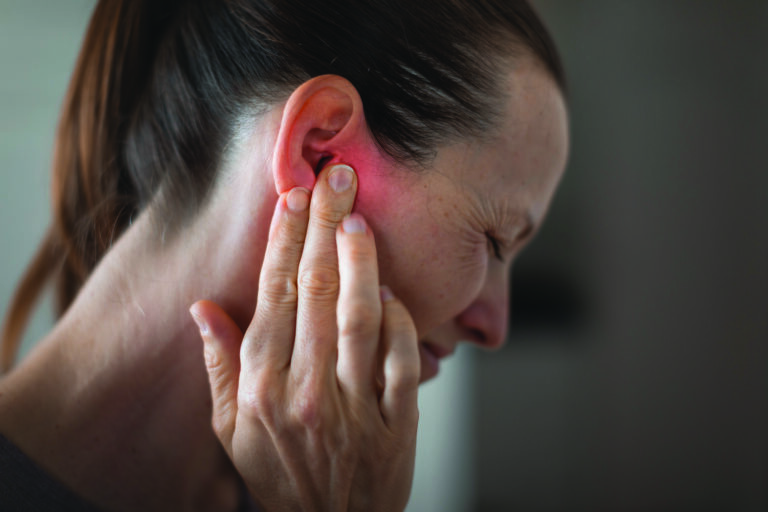
The allergic reaction they cause is called contact dermatitis. “The wound might start to itch more,” Dr. Jaliman describes. “You could get redness. You could get blisters if it’s a bad allergic reaction.
“There are higher-risk groups,” she continues. “If you have conditions like eczema, leg ulcers, or stasis dermatitis, you are more likely to get an allergic reaction from these products.”
Just because these medications can cause allergic reactions in some people doesn’t mean everyone has to avoid them completely. For most people, allergies don’t happen and aren’t something to worry about when using bacitracin or Neosporin.
“If you’re a regular person and you want to use it, is it going to hurt you? Probably not. It’s probably fine,” Dr. Jaliman advises.
If you have any signs of an allergic reaction, stop using the product right away and seek medical attention. In addition to treating any concerning allergy symptoms, your healthcare provider can offer you alternatives to managing your skin infection.
How to Use Bacitracin or Neosporin
Bacitracin and Neosporin should be used only for minor cuts or burns—the kinds of small problems you can take care of at home. Here are some tips from Dr. Jaliman about how best to use the products:
- Cleanse the Wound. “In the old days, they used to say to clean the wound with hydrogen peroxide or alcohol,” Dr. Jaliman says. But guidance has changed. “Use a mild cleanser,” she adds.
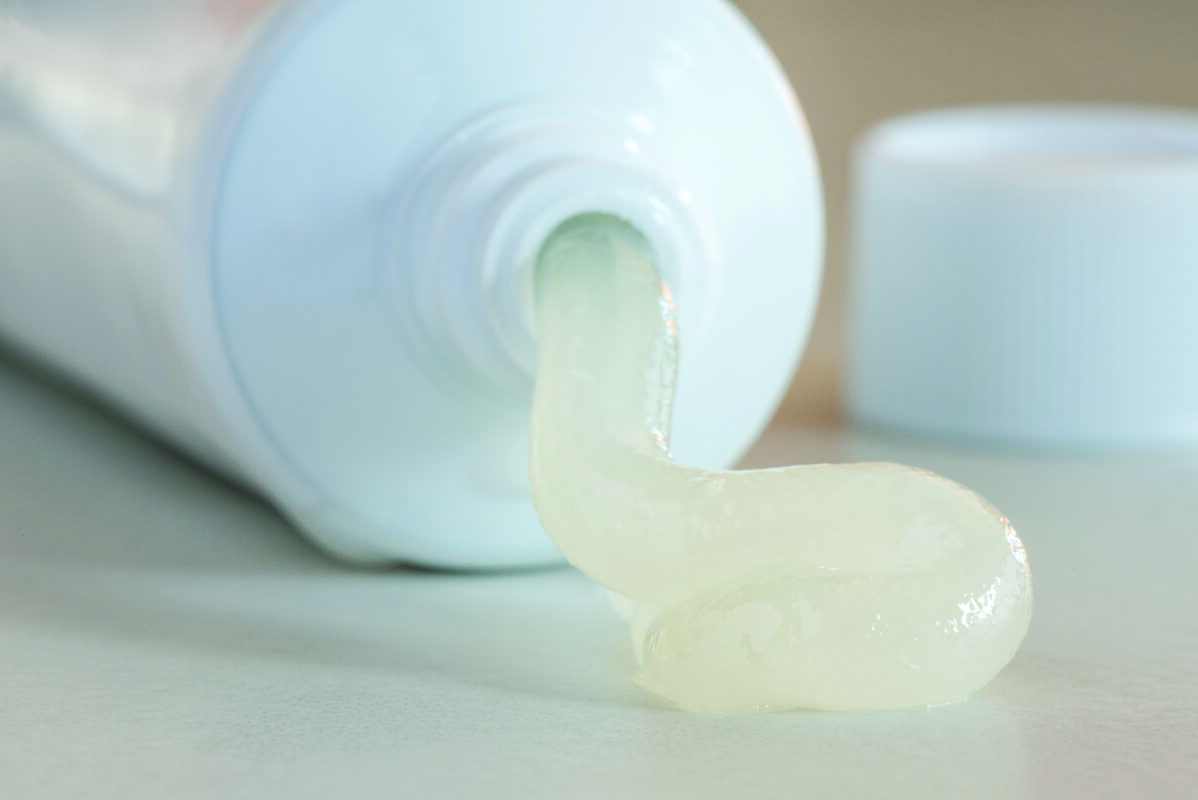
- Apply a Small Amount. Whichever product you use, a little goes a long way. “Put the tiniest bit on,” Dr. Jaliman recommends. “Otherwise, it affects the way the Band-Aid holds to the skin. Bacitracin or Neosporin can be greasy, which can make the bandage slip right off, which is not something you want.”
- Cover the Wound. Covering the wound with some type of bandage is important. Use a bandage that fully covers the wound and stays in place. “The most important thing is to cover it, because wounds don’t heal well when they’re open,” she says.
- Seek Help If the Wound Isn’t Healing. Jaliman recommends applying antibiotic cream once daily for several days. “Most wounds are going to be healed in about a week, so you should be good by then,” she says. But if it isn’t healing or showing signs of getting worse, you shouldn’t keep treating it on your own. If you notice that the irritated red area expands or the infection is causing pain, those are signs the infection is becoming more severe. Both of these symptoms should prompt a visit to your doctor.
When to Avoid These Ointments
While bacitracin and Neosporin can be helpful if you have a minor cut or burn, they shouldn’t be used for other, more serious skin issues. Avoid these products if you suffer:
- A deep wound
- An animal bite
- A serious burn
- Signs of an infection
If you experience any of these wounds, “you really need medical attention,” Dr. Jaliman advises. In particular, if you were bitten by any type of animal, see a doctor because animals can transfer harmful diseases to you through their bites. Serious burns also require prompt medical attention.
Deep wounds or skin infections also should be cared for under the guidance of a physician. Treatment in these cases may involve an antibiotic ointment, but you’ll typically need a prescription antibiotic ointment, not an over-the-counter one like Bacitracin or Neosporin, Dr. Jaliman says.
“Prescription topical antibiotics are more effective,” she says, noting that some people need oral antibiotics for more serious infections.
Alternatives to Bacitracin and Neosporin
One of the reasons that bacitracin and Neosporin are helpful for wounds is that the ointments that form their base help create a protective barrier for the skin. According to Dr. Jaliman, products like petroleum jelly (Vaseline) and petrolatum (Aquaphor) can do the same thing and are good alternatives to bacitracin and Neosporin.
Vaseline and Aquaphor “put a protective coating over the wound, so it allows the epidermal cells to slide across more easily,” Dr. Jaliman says. If you end up just putting a bandage over your wound and no ointment, it becomes dry, which makes it harder for it to heal.
“A lot of people think you need to get a scab and you need to dry out a wound,” Dr. Jaliman explains. “It’s just the opposite. You don’t want a scab and you don’t want to dry it out.”
Whatever way you care for your wounds, remember that while minor cuts, scrapes, and burns can usually be treated at home, if you are experiencing significant redness, swelling, or pain, seek medical care.