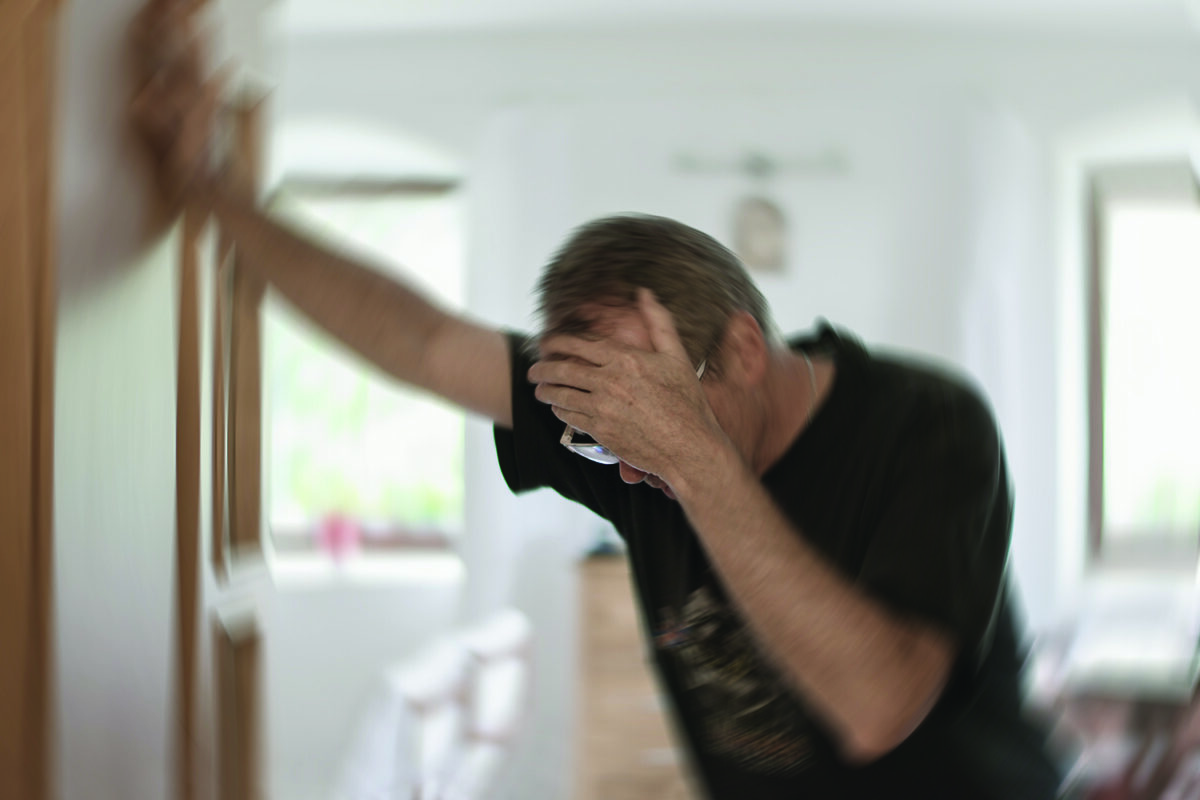
The term “mini stroke” may suggest an event that is relatively harmless or at least not particularly threatening. But a mini stroke, known clinically as a transient ischemic attack (TIA), can signal that a full-blown stroke may be imminent. And while a single TIA may not cause permanent damage, the cumulative effect of multiple TIAs may affect memory and other aspects of brain function.
Because mini stroke symptoms are temporary, it may be difficult at times to determine whether you actually had a TIA or just a dizzy spell or other minor incident. Knowing the warning signs of a TIA and how to respond could help you prevent a subsequent stroke or be better prepared if one occurs.
What Is a Mini Stroke?
A mini stroke occurs when a clot in an artery temporarily blocks blood flow to a part of the brain. Mini stroke symptoms typically last just a few minutes, though they may linger for an hour or more. A mini stroke is short-lived because the clot either dissolves, breaks up, or moves on its own, allowing blood circulation to resume.
It’s important not to dismiss the seriousness of TIA symptoms, even if they are fleeting, says Jonathan Rosand, MD, MSc, a vascular and critical care neurologist with the Mass General Brigham Neuroscience Institute. He notes that in some cases, a suspected TIA may have actually been a stroke that can cause lasting harm.
“When people with TIA-like symptoms get brain imaging, roughly two in five turn out to have already had a small stroke rather than a TIA, meaning damage can occur even after the symptoms disappear,” he says.
5 Warning Signs of a Mini Stroke
Just like stroke warning signs can differ greatly from one person to another, TIA symptoms include a range of possible changes in how you feel, think, and move.
Some of the more common warning signs of a TIA include:
- Face drooping or numbness. “One side of the face may sag, feel heavy, or lose sensation, often most noticeable as an uneven smile or a corner of the mouth that won’t cooperate,” Dr. Rosand says. “These are often signs of disrupted blood flow to the side of the brain controlling the opposite side of the face.”
- Arm weakness or numbness. “One arm may suddenly feel heavy, clumsy, tingly, or hard to lift, classically tested by raising both arms and watching one drift downward,” Dr. Rosand says. “Just as with facial symptoms, this points to blocked blood flow on the opposite side of the brain from the affected limb.”
- Speech difficulty. Words may come out slurred or garbled, even though nothing feels physically wrong with the mouth or throat, Dr. Rosand says. He adds that a person experiencing a TIA also may struggle to understand what’s being said to them. Difficulty speaking or understanding speech reflects a brief interruption of blood flow to the brain’s language centers.
- Vision changes. “Sight may blur, double, or go dark or blank in one eye or one side of the visual field, sometimes described as a curtain dropping,” Dr. Rosand says. “This can come from a clot affecting blood supply to the eye itself or to the vision-processing areas at the back of the brain.”
- Balance problems or dizziness. “A sudden loss of coordination, unsteadiness, or vertigo-like spinning can make standing or walking unsafe, particularly when it involves the brainstem or cerebellum,” Dr. Rosand says. “This sign is the one most easily mistaken for an inner-ear issue or a passing dizzy spell, making it commonly overlooked.”
If you can remember the acronym BEFAST, stroke symptoms may be easier to identify. Whether it’s for yourself or a loved one at high risk for stroke, keep in mind these stroke warning signs:
- Balance: sudden loss of balance
- Eyes: Sudden trouble seeing with one or both eyes
- Face drooping: One side of the face droops or feels numb
- Arm weakness: One arm feels weak or numb
- Speech difficulty: Slurred speech or difficulty understanding others
- Time to call 911: Call emergency services even if symptoms disappear.
Why a Mini Stroke Should Never Be Ignored
Dr. Rosand says a TIA should be thought of as a “warning stroke,” rather than a temporary collection of symptoms.
“Nearly one in five people who have one go on to suffer a full stroke within 90 days, and about half of those strokes happen within the first 48 hours, making it a race against a very short clock,” he says.
Because a mini stroke can be a warning sign of a future stroke, see a doctor to discuss your symptoms and undergo any imaging or other evaluations that seem appropriate. “A prompt diagnosis lets doctors find and treat the underlying cause—a narrowed artery, an irregular heart rhythm, uncontrolled blood pressure—which is the best chance to prevent a larger, disabling stroke down the road,” Dr. Rosand says.
When to Call 911
Even if you suspect that you’re having TIA symptoms, it’s best to view them as stroke warning signs and treat the moment as an emergency. “A 911 call is always warranted,” Dr. Rosand says. “There’s no way to tell, without brain imaging, whether an episode was a TIA that resolved or a stroke that’s still evolving, so a full recovery by the time help arrives doesn’t change the response.”
He adds that symptoms can recur, worsen, or return permanently within minutes to hours. “Time-sensitive stroke treatments work only within a narrow window from onset, so waiting to ‘see if it happens again’ burns exactly the time that matters most,” Dr. Rosand explains.
If you’re wondering when to call 911 for stroke symptoms, the answer is always as soon as possible. If you experience mini stroke warning signs, call 911 rather than drive yourself to the hospital. Likewise, if you’re with someone exhibiting TIA symptoms, don’t drive, but instead call 911 and let paramedics begin stroke assessment and treatment protocols.
And if possible, note the exact time symptoms started and ended. “The timeline is critical information for the imaging and treatment decisions emergency teams make,” Dr. Rosand says.
How to Lower Your Risk of a Stroke
Dr. Rosand recommends using the Brain Care Score, an index developed at Mass General Brigham to provide the best scientific guidance on how to protect your brain from disease. It covers 12 specific factors and includes clinical health measurements, such as blood pressure, as well as daily habits, such as smoking and alcohol consumption.
“The Brain Care Score is a quick and easy guide to what you can do to reduce your risk of stroke,” Dr. Rosand says. “Raising your score in any category helps. If you want to have maximum impact quickly, then I suggest getting blood pressure under control as a beginning. It is the single-largest modifiable risk factor for stroke and TIA among the Brain Care Score’s physical measures, alongside blood sugar, cholesterol, and body mass index (BMI).”
Dr. Rosand also strongly recommends quitting smoking and building physical activity into your regular routine: “These two lifestyle factors from the score address blood pressure, blood sugar, and cholesterol simultaneously, making them especially high-leverage.”
Dr. Rosand also advises prioritizing quality sleep and stress management. The Brain Care Score’s social/emotional factors—sleep, stress, relationships, sense of purpose—aren’t an afterthought, he notes. “A 5-point improvement in the overall Brain Care Score is linked to roughly 30% lower stroke risk,” he explains, “and sleep/stress are often the most fixable piece of that.