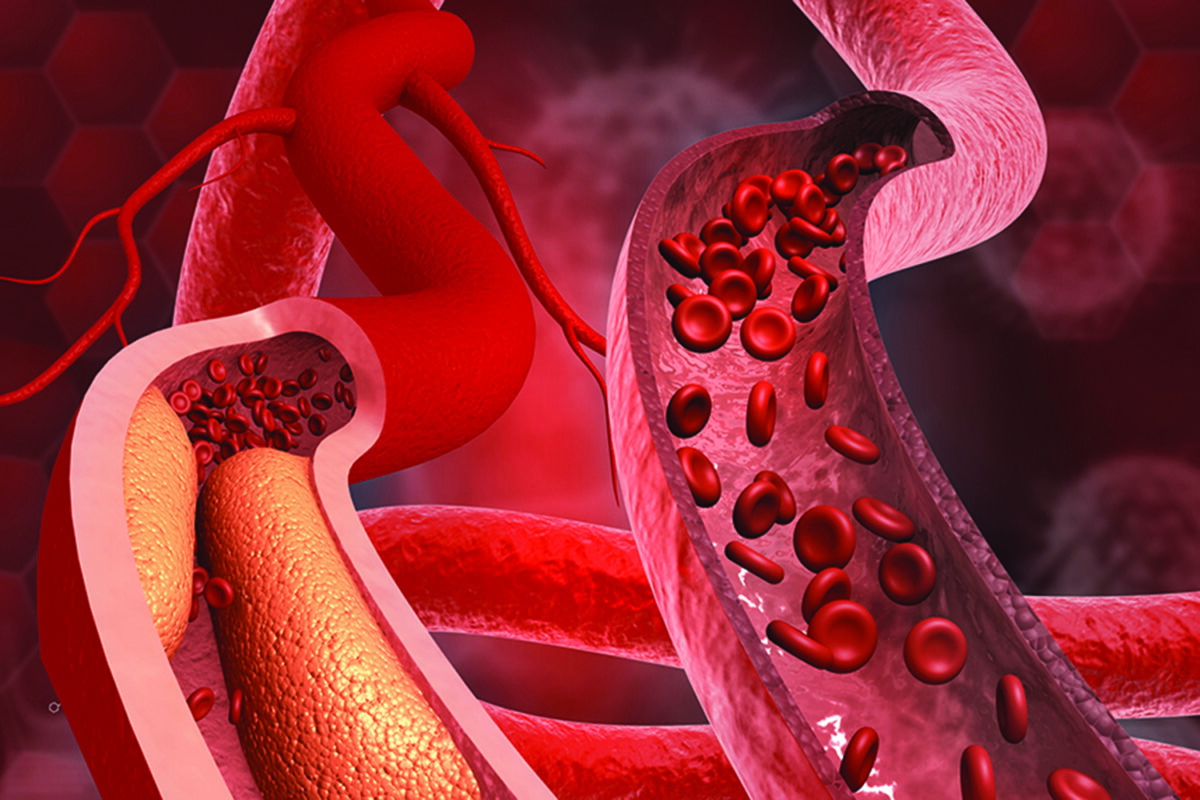
Your heart pumps blood through an intricate and vast network of blood vessels. In fact, this network, known as your vascular system, contains an estimated 60,000 miles of blood vessels—enough to encircle the Earth twice.
That means you have a lot of real estate in your arteries, veins, and other blood vessels for vascular disease to develop.
“It’s important for people to understand that if you have coronary artery disease, in all likelihood, you may have peripheral artery disease, the term for arterial blockages in other territory outside the heart,” says Cleveland Clinic vascular surgeon Lee Kirksey, MD. “And, if a person has peripheral artery disease, they likely have a more malignant form of coronary artery disease.”
What Is Vascular Disease?
Vascular disease refers to any condition that affects your circulatory system, particularly atherosclerosis, the accumulation of fatty plaques in the arteries that restrict blood flow to your tissues. Plaques can also cause the arteries to stiffen and force your heart to work harder to pump blood through your body.
Vascular disease also affects your veins, the blood vessels that transport deoxygenated blood back to the heart. Your veins may fail to adequately return blood back to the heart, usually due to problems with the tiny valves that keep blood flowing in one direction—a condition known as venous insufficiency. As a result, blood can pool in the lower extremities, resulting in increased pressure inside the veins.
Common Types of Vascular Disease
Some of the most prevalent types of vascular disease include:
- Peripheral artery disease (PAD). This term most commonly refers to plaque buildup affecting the arteries supplying blood to the lower extremities, causing ischemia that can threaten the health of your legs and feet. Early symptoms include calf or thigh muscle cramps with walking. Advanced PAD can lead to chronic limb-threatening ischemia (CLTI), which raises your risk of gangrene and foot amputation.
- Carotid artery disease. This type of vascular disease is characterized by atherosclerosis that causes a narrowing (stenosis) in the major arteries in your neck that supply blood to the brain.
- Aortic aneurysm. An aneurysm is a weakening of an artery wall that causes a section of it to balloon out, most commonly developing in the body’s largest artery, the aorta. It can form in the chest (thoracic aortic aneurysm) or lower in the torso (abdominal aortic aneurysm). In any location, an aortic aneurysm is dangerous and is often fatal if it ruptures.
- Varicose veins. These unsightly veins in your legs oftentimes are only a cosmetic problem, but in advanced cases they can lead to venous insufficiency. Severe forms of venous insufficiency can result in more serious venous problems, such as disability with walking and skin ulcers, Dr. Kirksey says.
- Deep vein thrombosis (DVT). One of these serious venous problems is DVT, a blood clot that forms in the deep veins of the arms or, more commonly, the legs. One of the major risks of DVT is that it can break free, travel through the venous circulation to the lungs, and cause a life-threatening pulmonary embolism.
Causes and Risk Factors
The same factors that increase your risk of heart disease—namely, unhealthy cholesterol levels, high blood pressure (hypertension), diabetes, chronic kidney disease, obesity, tobacco smoking, and physical inactivity—also contribute to the atherosclerotic process underlying carotid artery disease and PAD (smoking and diabetes are the most common causes of PAD).
Several of these risk factors, especially smoking and hypertension, also increase your odds of developing an aortic aneurysm, as does a family history of aneurysms and certain inherited connective tissue syndromes. Furthermore, “All aneurysms—abdominal aortic aneurysms in particular—are more likely to develop in men,” Dr. Kirksey notes.
One of the most significant risk factors for varicose veins and DVT is prolonged sitting or immobility (e.g., a long flight or ride or extended bed rest). In addition, advancing age, obesity, diabetes, tobacco smoking, cancer, and a personal or family history of clotting disorders increase your DVT risk.
Symptoms of Vascular Disease
Different types of vascular disease can share symptoms, but warning signs can vary and, in some cases, may not present at all.
- Symptoms may include coldness or loss of hair in the lower leg or foot, changes in the color/texture of skin in the legs and feet, changes in toenail growth/texture, and nonhealing or slow-healing foot wounds. The hallmark sign of PAD is cramping leg pain occurring with exertion (intermittent claudication) that causes diminished walking capacity. “It can significantly impact your ability to enjoy life, exercise, and maintain an active lifestyle,” Dr. Kirksey says. “That can also lead to other health problems, and it can be a vicious cycle. Your cholesterol, diabetes, and hypertension can be more difficult to control because you’re gaining weight due to inactivity. So, you can see how there can be a circular impact of having undiagnosed and untreated PAD.”
- Carotid artery disease. Unfortunately, most people with carotid atherosclerosis develop no symptoms until they experience a stroke or transient ischemic attack (TIA). Sometimes, a doctor may hear a whooshing sound (bruit) when listening to an artery through a stethoscope.
- Aortic aneurysm. Similarly, aortic aneurysms typically remain silent until they rupture, causing severe back pain, sudden blood pressure drops, lightheadedness, and nausea. They may be discovered incidentally during an imaging study for other health issues.
- Venous problems. Some varicose veins have no symptoms, but others can cause discolored, dry, itchy skin, leg swelling, heaviness or pain, ulcers, bleeding, and phlebitis, a blood clot in the superficial veins near the skin. A warning sign of a DVT is new-onset swelling, especially in one leg but not the other. Other symptoms include persistent pain or tenderness in the affected limb and skin redness or warmth. A clot that travels to the lungs can cause shortness of breath, sudden unexplained chest pain that worsens when you take a breath, rapid breathing and heartbeat, coughing or wheezing, pale or clammy skin, and excessive sweating.
Diagnosing Vascular Disease
If you experience vascular disease symptoms, bring them to the attention of your primary care physician. Many symptoms are subtle, and you might attribute them to aging or general signs of arthritis. It’s important to share new-onset symptoms with your healthcare provider. Your doctor will review your medical history and symptoms, perform a physical exam, and consider your risk factors to help determine any further testing that might be necessary.
For PAD, that testing includes the ankle-brachial index, a noninvasive ultrasound that compares blood pressure in your ankles and arms (the ankle pressure should be greater than or equal to the arm pressure). An ultrasound is also used to check for carotid artery stenosis and, along with certain blood tests, may be used to help diagnose DVT.
“For patients with diabetes who are smokers and older than age 50, in many instances we suggest they discuss risk-based screening with their primary care doctor, not so that a procedure can be done, but it provides a more comprehensive overall risk profile to assist in the medical management of their risk factors, like cholesterol,” Dr. Kirksey says.
Guidelines from the Society for Vascular Surgery recommend a one-time ultrasound to screen for abdominal aortic aneurysm for all people ages 65 and older with any history of tobacco use, as well as those with a first-degree relative (parent or sibling) with a history of these aneurysms, regardless of tobacco history. The Welcome to Medicare assessment by primary care physicians includes this ultrasound test. Individuals suspected of having a thoracic aortic aneurysm require different testing and generally undergo cross-sectional imaging with computed tomography (CT) or magnetic resonance imaging (MRI), Dr. Kirksey says.
Vascular Disease Treatment
Typically, treatment for a vascular disease begins with aggressive management of the risk factors that contribute to its development and progression. In addition to advising you about important lifestyle changes, your doctor may prescribe high-intensity statin therapy or other lipid-lowering treatment, blood pressure-lowering (antihypertensive) drugs, and medications to optimize your blood sugar—ideally newer drug classes (GLP-1 agonists and SGLT2 inhibitors) that have been shown to reduce the risk of major cardiovascular events.
Your medication regimen also may include aspirin, clopidogrel (Plavix), or other antiplatelet drugs to prevent clot formation, as well as an anticoagulant (“blood-thinning”) medication, such as apixaban (Eliquis), rivaroxaban (Xarelto), or warfarin (Coumadin), for DVT or pulmonary embolism. For large DVTs, thrombolytic (clot-busting) drugs or (less commonly) surgery to remove the clot may be necessary. Also, a physician may place a small filter in the inferior vena cava (the large vein that returns blood from the lower extremities to the lungs) to catch blood clots and prevent them from reaching the lungs.
Surgery or endovascular procedures (e.g., angioplasty and stenting) can be performed to restore blood flow to the legs and feet and prevent limb loss in people with CLTI. For individuals with a carotid artery that is narrowed by 70% to 80%, surgery to remove the plaque (endarterectomy) or placement of a carotid stent may be indicated. “If someone has carotid artery disease that’s not treated, the risk that this individual will have a stroke is about 2% annually, provided they are on the best medical regimen, which most people are not. And that risk is cumulative over time,” Dr. Kirksey says. “For patients who are appropriate candidates for carotid stenting or carotid endarterectomy, the results are relatively equivalent at this point when performed by experienced proceduralists.”
Aortic aneurysms are treated with open surgery or, increasingly, repaired using a less-invasive endovascular procedure, in which a covered stent is placed inside the artery to reinforce or repair the weakened section. The procedure significantly lessens the post-procedure recovery time, with patients resuming normal activities within days, Dr. Kirksey says.
Prevention and Self-Care Tips
Regardless of whatever medical or interventional/surgical treatment you may require, structured exercise—including cardiac rehabilitation and other regimens supervised by healthcare professionals—is a critical component of PAD and other vascular disease management, Dr. Kirksey emphasizes.
“Especially for people with lower-extremity peripheral artery disease, structured exercise therapy is the cornerstone,” he says. “Those people who are more active can reduce their symptoms, and if they ultimately require a procedure, they have a better quality of life afterward. All the risk factors for the development of vascular disease are better controlled for people who maintain a high degree of activity.”
Additionally, keep tabs on your blood pressure, lipids, blood sugar, kidney function, and other cardiovascular risk factors, and work with your healthcare providers to optimize them.
“The most important point I try to hammer home to patients is this concept of knowing one’s numbers and knowing one’s risk factors and understanding it’s not sufficient just to walk through your healthcare journey believing or hoping that you are OK,” Dr. Kirksey says. “Patients should know what their hemoglobin A1c is, what their blood pressure is, and what their LDL cholesterol is.
“It’s important to understand that, in addition to diabetes, hypertension, and high cholesterol, chronic kidney disease is a driver of these atherosclerotic states,” he adds. “All patients should be aware of and have these active discussions with their primary care doctor so they can understand their risk profile and have a very aggressive strategy to mitigate these complications.”