Most of us don’t give our heart rhythm a second thought until it becomes too fast, too slow, or irregular. Abnormal heart rhythms (arrhythmias) can be frightening, but not all are truly dangerous. Some are merely pesky. Here’s what you need to know about heart arrhythmias.
What Is a Heart Arrhythmia?
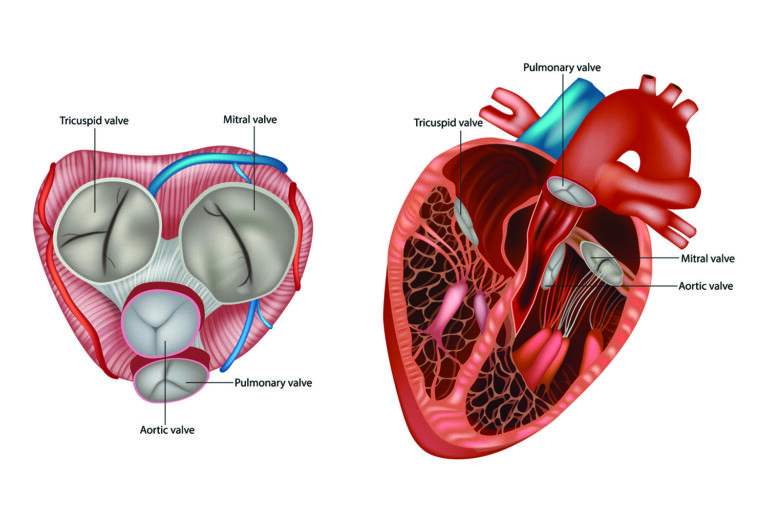
The heart has a pacemaker called the sinoatrial node or sinus node, which is located in the upper chambers of the heart (atria). Electrical signals telling the heart to contract begin in the sinus node and travel down a pathway to the atrioventricular node, which relays them to the heart’s lower chambers (ventricles), telling them to contract.
When the system works as it should, the heart is said to be in sinus rhythm. A heart in normal sinus rhythm beats regularly 60 to 100 times per minute and adjusts according to demand. This process enables the heart to maintain a normal blood pressure and send oxygen and nutrients throughout the body.
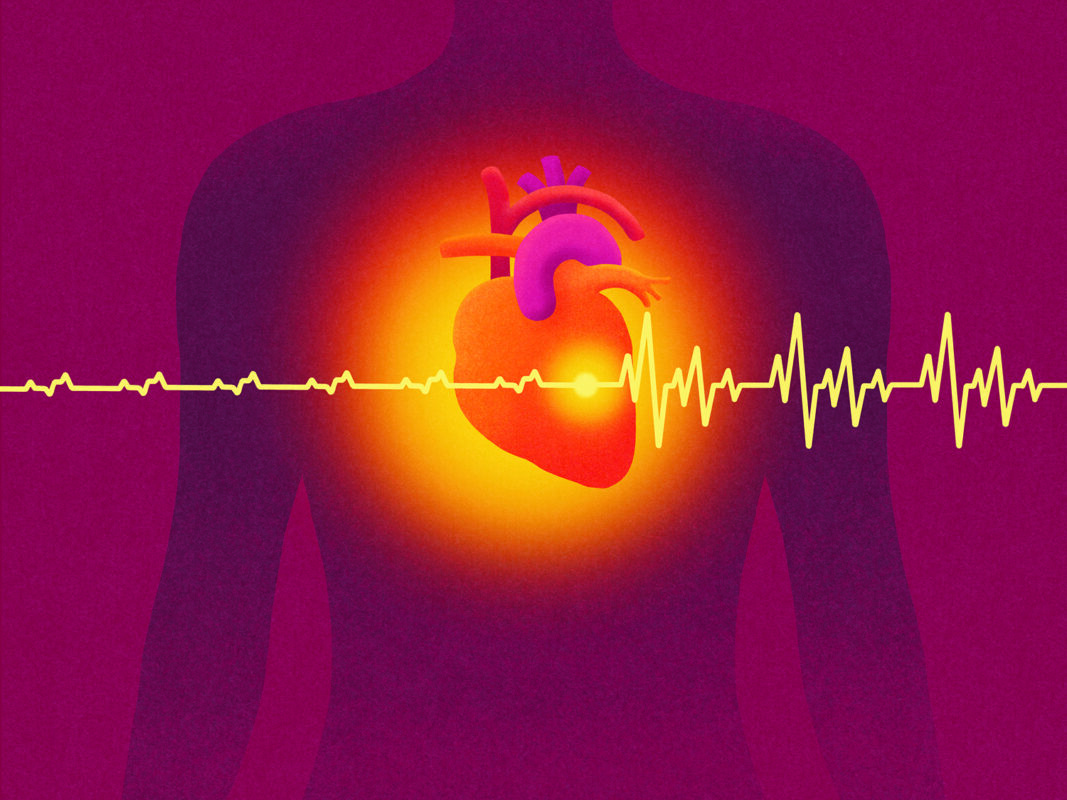
A heart arrhythmia is a rhythm that deviates from these parameters. Some arrhythmias cannot be felt, but all arrhythmias can be seen on an electrocardiogram (ECG).
“An arrhythmia is, by definition, irregular. Most often, the irregularity is seen beat-to-beat with variable heart rates, but an arrhythmia may also may be an abnormally fast or slow rhythm,” says Tyler Taigen, MD, a Cleveland Clinic electrophysiologist. Electrophysiologists are cardiologists who diagnose and treat heart rhythm problems.
Types of Heart Arrhythmia
Arrhythmias may originate in the atria, where blood returning from the lungs and body is collected, or in the ventricles, which pump blood out of the heart into the lungs and body.
Atrial fibrillation (A-fib) is an irregular, disorganized heart rhythm that begins in the upper chambers. Because A-fib prevents the heart from producing a regular, consistent blood flow, residual blood may pool in the heart and clot. When the clot is finally ejected, it can become lodged in the brain, causing a stroke.
Atrial flutter is an arrhythmia with a regular, fast heart rate in the atria and a generally slower rate in the ventricles. Atrial flutter arrhythmias also carry a risk of stroke.
Bradycardia is an abnormally slow heart rhythm (less than 60 beats per minute, or bpm) that may limit the heart’s capacity to pump enough blood to meet the body’s needs. Some athletes and other individuals have a heart rate below 60 bpm as a result of training and physiologic conditioning. Bradycardia in this setting does not require treatment.
Tachycardia is a condition defined by a heart rate faster than 100 beats per minute. Tachycardia may develop as a normal response to increased need from exercise or stress, or as an abnormal arrhythmia that requires treatment.
Supraventricular tachycardia (SVT) is an arrhythmia starting in the atria and resulting in heart rates faster than 100 bpm. SVT is often self-limited. When it is recurrent, specific treatments are very successful and can even cure the arrhythmia.
Ventricular tachycardia is an arrhythmia starting in the ventricles and often causing exceptionally rapid heartbeats (150 to 250 bpm). The heart may beat so fast that it is unable to refill with blood. Blood pressure drops, and the person loses consciousness. If the heart rate becomes so fast that the heart can no longer contract and begins quivering—an arrhythmia known as ventricular fibrillation—defibrillation shock treatment may be required to prevent death.
Premature atrial contractions (PAC) and premature ventricular contractions (PVC) cause extra beats or skipped beats. “PACs and PVCs are often mistaken for atrial fibrillation. However, PACs and PVCs come and go in a single heartbeat, while sustained atrial fibrillation usually lasts at least 30 seconds,” Dr. Taigen explains. Neither PACs nor PVCs may be cause for concern. However, frequent, ongoing PVCs may weaken the heart’s pumping ability, leading to heart failure. Eliminating the source of the extra heartbeats with ablation in these circumstances may normalize the ejection fraction (the percentage of blood pumped out with each heartbeat), reversing heart failure.
Causes and Risk Factors
Atrial fibrillation has multiple causes. Nearly half of individuals with a first-degree relative with atrial fibrillation will develop the arrhythmia themselves. The risk of A-fib is higher in older individuals and those with obesity, obstructive sleep apnea, hyperthyroidism, alcohol use, smoking, and excessive use of stimulants, such as caffeine.
Supraventricular tachycardia can be caused by several mechanisms, including an extra pathway allowing electrical conduction between the top and bottom of the heart. This so-called accessory pathway is present from birth. To find this pathway, the heart’s electric system must be mapped. “The gold standard is an invasive electrophysiology mapping study to determine the cause and direct treatment with ablation,” Dr. Taigen says. “Noninvasive mapping is available, but compared with catheter-based mapping, it is not yet up to par.” Supraventricular tachycardia also can be triggered by caffeine, alcohol, dehydration, stress, and too little sleep.
Bradycardia can occur when the sinus node or downstream electric conduction becomes dysfunctional, most often as a consequence of aging. Bradycardia also can result from medical conditions such as hypothyroidism, heart attack, sleep apnea, and certain medications.
Ventricular tachycardia is usually caused by scar tissue from a heart attack or cardiac inflammation that alters the electrical conduction pathways. A signal that cannot travel normally through scar tissue may loop around the scar, quickly becoming rapid and resulting in a dangerously fast heart rhythm. Individuals at highest risk often have had a prior heart attack and developed heart failure with an ejection fraction of 35% or less.
Symptoms of Heart Arrhythmia
Atrial fibrillation symptoms range from a pounding heart to vague loss of energy to no symptoms at all. “One of my patients described atrial fibrillation as feeling like his heart was a bucket on the bed of a truck bouncing on a country road,” Dr. Taigen quips. Fatigue may be the most common symptom of A-fib. It can occur because a fast, irregular heart rhythm makes the heart less efficient.
Bradycardia can cause insufficient blood flow to the brain, leaving people feeling sluggish, lightheaded, or dizzy, particularly when they stand up or exert themselves. Those with a very slow heart rate may pass out.
Symptoms of supraventricular tachycardia and ventricular tachycardia include shortness of breath, lightheadedness and chest discomfort. “A main concern with ventricular tachycardia is that the person may be unaware they have it until they pass out and collapse,” Dr. Taigen says.
How Is a Heart Arrhythmia Diagnosed?
The screening test for arrhythmias is a 12-lead ECG, which can be performed in a doctor’s office. However, an ECG captures the heart’s rhythm occurring only at that point in time. When an arrhythmia is sporadic, it may be necessary to wear an event monitor for up to a month to capture it.
Treatment Options for Heart Arrhythmia
Medications
Multiple antiarrhythmic medications are available to lessen or suppress atrial fibrillation and supraventricular tachycardia. Historically, medications were tried first, and ablation was recommended only when medications failed. Today, ablation is safer, more efficient, and more successful.
“Ablation is now first-line therapy,” Dr. Taigen says. “For atrial fibrillation, the sooner ablation is performed, the greater the likelihood it will durably stop the arrhythmia.”
Similar antiarrhythmic medications and ablation also are used to treat ventricular tachycardia. Some individuals need both. Additionally, treating the underlying cardiovascular disease is an important component to resolving the arrhythmia.
Devices
Bradycardia is treated with a pacemaker that tells the heart when to beat. Today, pacemaker options include tiny, wireless devices delivered to the inside of the heart by a large intravenous sheath system. Pacemakers can pace the atria, ventricles, or both.
Individuals with ventricular tachycardia may benefit from a pacemaker-type device called an implantable cardioverter-defibrillator (ICD). ICDs work like shock paddles implanted in the chest. If an episode of ventricular tachycardia occurs, the defibrillator will shock the heart back into a normal rhythm, preventing sudden cardiac death.
Sometimes, a small loop recorder is implanted near the heart. When connected by Bluetooth to a monitoring station in the doctor’s office, it transmits information about the heart’s rhythm and rate. This enables a doctor to monitor the success of a patient’s arrhythmia treatment on an ongoing basis.
Procedures
Ablation is the definitive treatment for atrial fibrillation. In standard thermal energy ablation, unwanted electrical pathways in the heart are destroyed (ablated) by burning or freezing the tissue. In contrast, pulsed-field ablation destroys tissue using microsecond pulses of electrical energy.
“Here at Cleveland Clinic, we have used pulsed-field ablation for atrial fibrillation exclusively since early 2024. The energy delivery is programmed to work exclusively on heart tissue, so there is less risk of damaging the esophagus, nerves, or pulmonary veins during the procedure,” Dr. Taigen says.
When PVCs are symptomatic and/or result in cardiac dysfunction, catheter ablation has a high rate of success in stopping the arrhythmia.
Lifestyle Changes
Lifestyle plays a major role in arrhythmias such as atrial fibrillation. A-fib is strongly associated with obesity and deconditioning. Losing weight and exercising can go a long way toward reducing or eliminating the arrythmia. “Getting 30 minutes of moderate-intensity exercise a day—for example, brisk walking—can lessen atrial fibrillation,” says Dr. Taigen.
Atrial fibrillation also can be induced by alcohol, stimulants, lack of sleep, eating spicy or hot foods, drinking cold beverages, eating a large meal, a high-sodium diet, becoming dehydrated, and sleep disturbances—even sleeping on your left side. “Obviously these triggers should be eliminated and habits changed, when possible,” Dr. Taigen says. “Reducing the consumption of fast foods, ultraprocessed foods, fried foods, and heavy, large meals, focusing on eating moderate portions and not eating late at night can be helpful. Also, we recommend people with recurrent atrial fibrillation drink no alcohol at all.”
Reduced oxygen levels from obstructive sleep apnea increase the risk of atrial fibrillation, PACs and PVCs. If your bed partner says you snore loudly at night and stop breathing for short periods of time, or if you wake up with a headache and feel so sleepy in the daytime that you cannot stay awake, tell your doctor. You may benefit from a sleep study.
When supraventricular tachycardia is not sustained or is not a result of electric pathways amenable to ablation, identifying lifestyle triggers and making appropriate changes can stop the arrhythmia.
Complications and When to Get Help
The potential complications of untreated arrhythmias include stroke, heart attack, heart failure, and sudden cardiac death—all of which make diagnosing and treating an arrhythmia important.
“As a rule of thumb, if you experience chest discomfort, shortness of breath, or lightheadedness, call your doctor. If it’s a weeknight, weekend or holiday, go to the emergency department,” Dr. Taigen advises. “If you have tachycardia—particularly at rest—plus have the sensation that your heart is racing and you feel dizzy or short of breath, call your primary care physician or cardiologist.
“If you feel worse or even think you could pass out, don’t wait: Seek emergency medical care.”
Preventing a Heart Arrhythmia
Not all arrhythmias can be prevented. If you have a genetic predisposition to an arrhythmia like atrial fibrillation or supraventricular tachycardia, you may be unable to prevent it. However, you can reduce the risk of occurrence by maintaining a normal weight, eating a heart-healthy diet, getting regular exercise, and eliminating lifestyle factors known to trigger the arrhythmia.
“If you have a family history of an arrhythmia, see a cardiologist for screening” Dr. Taigen says. “If you are found to be at increased risk, current treatments may hinder the development or progression of the arrhythmia.”