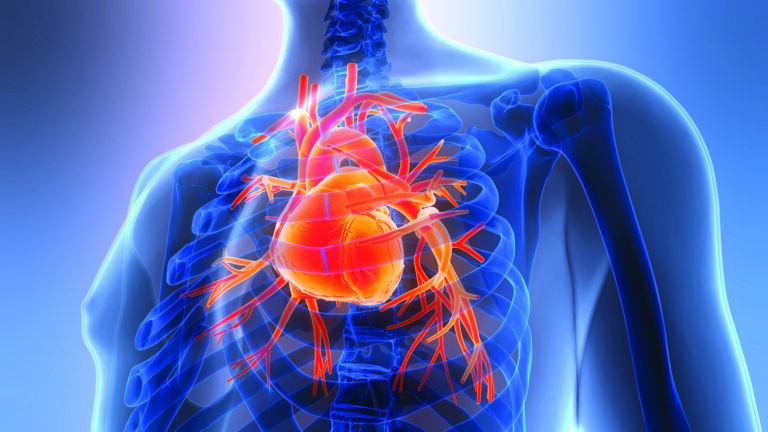
Despite the way heart attacks are portrayed on television, some heart attacks cause mild symptoms, some cause symptoms people mistake for less-serious conditions, and some may not cause symptoms at all. These are known as silent heart attacks.
“Doctors prefer to call them unrecognized heart attacks, since they may be entirely symptom-free,” says Cleveland Clinic cardiologist Leslie Cho, MD, adding that the word “silent” may be confusing. “These heart attacks may not produce typical symptoms, but they can still cause serious injury to the heart.”
What Is a Silent Heart Attack?
A silent heart attack is a heart attack that isn’t recognized at the time it occurs. Either the symptoms are atypical or so mild that the individual doesn’t understand a heart attack is underway and, consequently, does not seek medical care.
“Most people don’t know it happened until the damage is discovered weeks, months, or even years later,” Dr. Cho says.
Why Are Silent Heart Attacks Dangerous?
Damage to the heart muscle can affect its ability to contract, weakening its pumping power. When the heart’s pumping function (ejection fraction) drops to 40% or less, the person is diagnosed with heart failure with reduced ejection fraction (HFrEF). Silent heart attacks also increase the risk of ischemic stroke.
While the typical symptoms of heart attack may be alarming enough that the individual seeks emergency medical care, that’s not the case with a silent heart attack.
“Symptoms that are mild or mistaken for a less-serious problem generally do not compel someone to seek care. As a result, they don’t receive treatment that would otherwise limit damage to their heart,” Dr. Cho explains.
Who Is at Risk?
Certain individuals have a higher risk of silent heart attack than others:
- Women. “Women may be more vulnerable because they tend to suffer atypical symptoms that they may not associate with a heart attack,” Dr. Cho says.
- People with diabetes. “Diabetes causes neuropathy, which makes people less sensitive to pain,” Dr. Cho explains.
- People with metabolic syndrome, a constellation of risk factors that includes high fasting blood sugar, high blood pressure, high triglycerides, low HDL (“good) cholesterol, and obesity (as determined by a large waistline).
While these risk factors may be the most common for silent heart attack, risk varies among individuals. “People have very different tolerances to pain, so anyone with a health issue that increases their risk of a heart attack or are in a demographic group at higher risk could have a silent heart attack,” Dr. Cho says.
These health issues/risk factors include:
- High blood pressure
- High cholesterol
- High blood sugar
- A body mass index of 25 or higher
- A sedentary lifestyle
- An unhealthy diet
- Smoking
- Chronic stress
- Too little good-quality sleep
- Too much sleep
- Family history of heart disease
- Being a man ages 45 and older
- Being a postmenopausal woman or older than age 55
- Being Black, Mexican American, Native American or native Hawaiian
Symptoms of Silent Heart Attack
The most common symptoms of silent heart attack that may be mistaken for another condition include:
- “This can occur when the right coronary artery is blocked, because it is low on the heart and closer to the stomach than the upper-middle chest,” Dr. Cho says.
- Extreme fatigue
- Shortness of breath combined with indigestion or extreme fatigue that mimic a bad cold or the flu
- Back pain
- An ache in the jaw, arms, or upper back
- A sore muscle in the chest or upper back
Causes of Silent Heart Attacks
In most individuals, a heart attack is caused by atherosclerosis. In this disease, cholesterol, other fats, and white blood cells accumulate in the walls of arteries that supply the heart muscle with oxygen-rich blood. These accumulations are called plaques. Young plaques are prone to rupture, spilling their contents into the bloodstream. The body responds by sending enzymes that cause blood to clot. A large enough clot can halt blood flow through the artery. An artery that spasms also can stop blood flow.
Either way, the area of heart muscle fed by the artery becomes starved of oxygen. The heart muscle is unable to contract normally, and heart cells begin to die. Unless blood flow is restored within a short time, the heart will be permanently injured. When a large amount of heart muscle is damaged, survival is unlikely.
“A silent heart attack is not a minor heart attack. You may feel the symptoms less, but the outcome can be just as bad,” Dr. Cho advises.
How Silent Heart Attacks Are Diagnosed
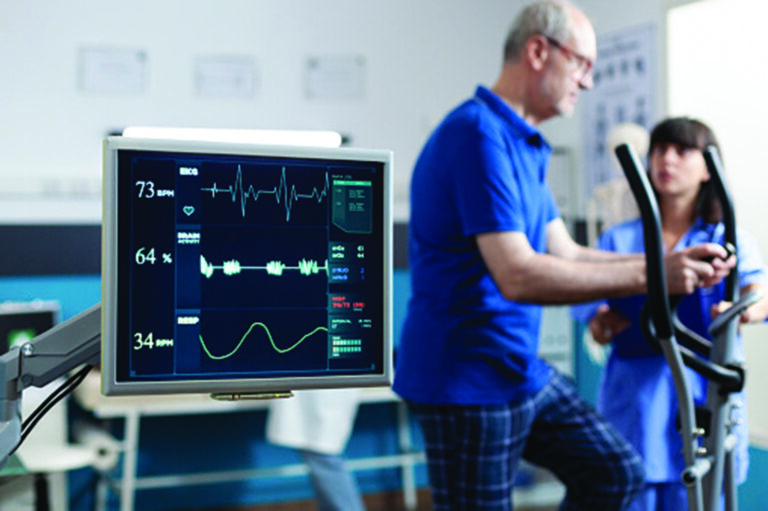
A silent heart attack is commonly discovered on an electrocardiogram (ECG) or echocardiogram performed for another reason.
Evidence of silent heart attack also may appear on a blood test, magnetic resonance imaging (MRI) scan, exercise stress test, nuclear stress test, or angiogram taken during cardiac catheterization.
When a heart attack is seen on an ECG, an echocardiogram is performed to assess the heart’s ejection fraction. This information reveals how effectively the heart is pumping.
“We need to see what the other arteries are like, so we always do an imaging study in the cardiac cath lab to make sure there are no blockages,” Dr. Cho says.
While the person is in the cath lab, a stress test inside the heart also may be performed.
Treatment for Silent Heart Attack
Even when a silent heart attack has not caused bothersome symptoms, it needs to be treated.
“An untreated silent heart attack is at high risk of causing heart failure or another heart attack. Therefore, when the ejection fraction is greater than 40%, we start with aspirin and a statin or other cholesterol-lowering drug and make sure high blood pressure is controlled,” Dr. Cho says. “If there is evidence of HFrEF, the patient should also receive the four components of guideline-recommended medical therapy.” They are:
- Angiotensin receptor-neprilysin inhibitor (ARNI), an angiotensin-converting enzyme (ACE) inhibitor or angiotensin receptor blocker (ARB)
- Beta-blocker
- Mineralocorticoid receptor antagonist (MRA)
- Sodium glucose cotransporter-2 (SGLT2) inhibitor
A coronary artery that is narrow or clogged may be opened with balloon angioplasty, and a stent may be inserted to hold the vessel open, if indicated. In individuals with multiple arteries at risk of blockage, coronary artery bypass grafting may be recommended.
Prevention: How to Lower Your Risk
Every year in the United States, 605,000 first heart attacks and 200,000 recurrent heart attacks occur. An estimated 170,000 of these heart attacks are silent. Yet heart attacks of any kind—silent and symptomatic—remain largely preventable.
“The key is to be aware of any risk factors for coronary artery disease that you have and modify those that need it by taking medication or making lifestyle adjustments,” Dr. Cho says.
This strategy may involve maintaining a healthy weight; keeping your blood pressure, blood sugar, and cholesterol within a normal range; eating a heart-healthy diet like the Mediterranean diet and avoiding ultraprocessed foods; getting at least 150 minutes a week of moderate-intensity exercise or 75 minutes a week of high-intensity exercise; quitting smoking; enjoying alcohol in moderation; keeping stress levels to a minimum; and getting seven to eight hours of good-quality sleep each night.
You will also benefit from regular physical exams.
“Your doctor will help you manage any cardiovascular risk factors you have to lower your heart attack risk. For example, if you have diabetes, we will give you a medication that controls your cholesterol more aggressively than if you don’t have diabetes,” Dr. Cho says.
Importantly, don’t wait to seek emergency medical care if you develop any symptom suggestive of a heart attack:
- A sensation of pressure in your chest that is constant and may grow in intensity
- Shortness of breath
- Nausea that occurs without an explanation
- Profuse sweating
- Dizziness or lightheadedness
Women and older adults of both sexes should be particularly alert for the following symptoms:
- A sensation of pressure in the jaw, throat, upper back, arm, or upper abdomen that may be accompanied by shortness of breath, sweating, or nausea
- Severe fatigue unrelieved by rest
- Lightheadedness
- Anxiety
- A sense of impending doom
“Keep in mind that the severity of a heart attack cannot be judged by the presence or extent of symptoms,” Dr. Cho says. “It’s important to know your body and seek immediate medical care for any symptom that you don’t understand. It’s better to call 911 and find out you are not having a heart attack than wait and learn you are.”