We have become a nation of coffee aficionados. So how could caffeine, delivered primarily in the form of coffee, be bad for you? In particular, is caffeine bad for your heart, and is there a connection between coffee and heart disease?
“It doesn’t make a lot of sense,” says Cleveland Clinic preventive cardiologist Vikas Sunder, MD. “Coffee, tea, and cocoa all contain caffeine and have been enjoyed by many cultures for centuries.”
Yet, around 1900, physicians began worrying that caffeine’s stimulating effect could be dangerous. Then, in the late 1970s and early 1980s, flawed research studies concluded that caffeine was responsible for heart disease, hypertension, and pancreatic cancer.
Fortunately, research has solidly debunked those early studies. However, some confusion about the benefits and risks of caffeinated beverages lingers.
“Patients ask me if caffeine is OK for their heart,” Dr. Sunder says. “My answer is that it depends on how they are getting their caffeine and how they metabolize it.”
What Caffeine Does to the Body
Caffeine is so closely associated with coffee that nearly all studies of caffeine have been conducted on coffee drinkers. Other common sources of caffeine include tea, cacao, chocolate, energy drinks, caffeine pills, and over-the-counter medications.
“The amount of caffeine in these products can differ greatly, and they may not have the same effect as caffeinated coffee,” Dr. Sunder says.
It’s no secret that most people enjoy caffeine for its ability to make them feel alert and energetic. Caffeine stimulates the sympathetic nervous system to release adrenaline, which causes temporary blood pressure spikes and accelerates the heart rate—in essence, waking you up. At the same time, caffeine causes fat stores in the body to release free fatty acids, an action that stimulates the metabolism.
As many coffee drinkers know, caffeine is also a vasodilator and increases urination. The impact can be particularly profound in people taking diuretic medications.
Caffeine and Heart Health
The effects of caffeine on cardiovascular disease and its risk factors have been anything but conclusive. In some studies primarily involving coffee, caffeine consumption was associated with a lower risk of coronary artery disease, heart failure, and stroke. Other studies showed no association.
Similarly, no clear relationship between caffeine and lipid levels has been verified, yet some studies have shown unfiltered black coffee raises LDL cholesterol levels. A connection between caffeine and Type 2 diabetes also is unclear. Nevertheless, regular consumption of caffeinated coffee has been associated with a lower incidence of the disease.
Perhaps a more puzzling finding comes from randomized, controlled clinical trials showing a decrease in atrial fibrillation but an increase in premature ventricular contractions among regular caffeinated coffee drinkers.
The sole consistent finding is an association between the moderate consumption of caffeinated coffee and reduced risk of stroke.
What could account for such diverse findings?
“Caffeine contains a variety of bioactive compounds called polyphenols,” Dr. Sunder says. “We don’t know whether these effects are due to caffeine or to the polyphenols it contains. However, we also have data that decaf also can reduce cardiovascular risk, so it is probably the bioactives that are providing protective benefit.”
The implication of every polyphenol has not yet been determined. Unfiltered coffee, for example, contains cafestol, which increases cholesterol, but whether this increase raises cardiovascular risk is unknown. “I think it’s a reach to say it would make it bad for heart health,” Dr. Sunder says.
How Much Caffeine Is Too Much?
In light of the potential benefits of caffeine, how many cups of coffee a day is considered safe to drink?
“Conversion of evidence from clinical trials supports a moderate intake, which would be three to five 8-ounce cups a day, with the lowest mortality risk observed at two to four cups a day,” Dr. Sunder says.
While we can extrapolate that more caffeine may not be better, we don’t know how much caffeine is too much. Sensitivity to caffeine is highly individualized. Some people can drink caffeinated coffee all day with no ill effects, while others find one cup makes their heart pound or keeps them up all night.
Symptoms that Caffeine May Not Agree with You
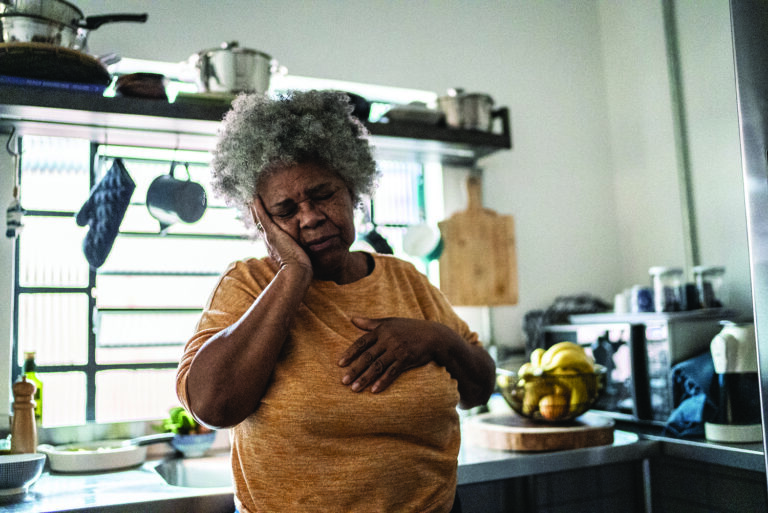
Take your cue from caffeine’s side effects. Too much caffeine can cause palpitations, jitters, anxiety and sleep disruption. Most people find these side effects are short-lived.
“If you suffer side effects that are prolonged, intense or uncomfortable, it may be a sign you should cut back,” Dr. Sunder advises.
Sleep disruption can be improved or eliminated by avoiding caffeine late in the day or even after noon.
If you try these hacks but the side effects persist, see your doctor.
Who Should Be More Cautious?
While people who are sensitive to the effects of caffeine should monitor their consumption, it may not be necessary for others in seemingly high-risk groups to bother after all.
Take individuals with atrial fibrillation (A-fib). They are no longer told to avoid caffeine for fear of triggering this common heart-rhythm abnormality (arrhythmia). “Research does not support this fear,” Dr. Sunder says. In one study of individuals with A-fib who underwent cardioversion to restore normal sinus rhythm before being randomized to moderate caffeine consumption or no caffeine, abstinence increased the risk of A-fib.
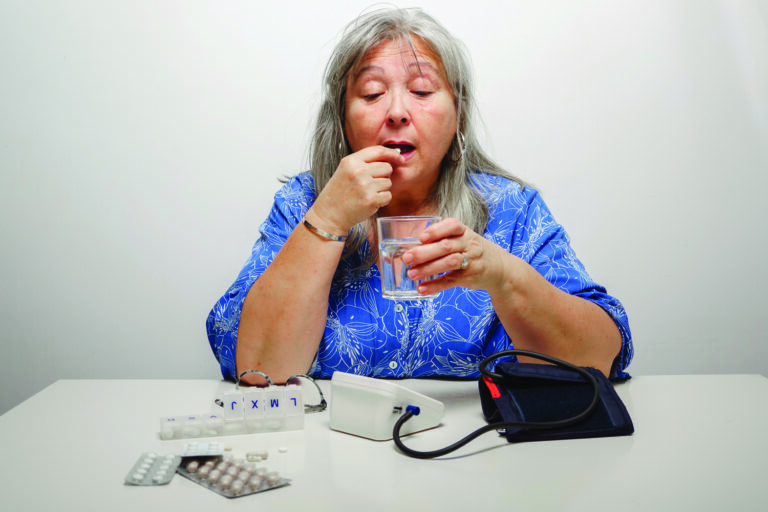
People with hypertension don’t need to worry, either. Although caffeine causes blood pressure to rise by a few millimeters of mercury within 30 to 60 minutes, the effect lasts only three to four hours. “It does not cause hypertension or worsen it,” Dr. Sunder says.
The amount of caffeine that is safe to consume in pregnancy is unknown.
Metabolism varies from person to person, and certain genetic variations may make you more or less susceptible to the effects of caffeine.
The source of caffeine matters, too. Energy drinks and caffeine pills get absorbed quickly, ramping up the sympathetic nervous system and heart rate in record time. That’s why they are used by night-shift workers, students, and partiers who need (or want) to be wide awake and on their toes.
Practical Ways to Reduce Caffeine Intake, If Needed
Regular imbibers of caffeinated coffee can experience caffeine withdrawal within a day or so after consuming their last cup. Headache is the most common symptom, but some people feel anxiety, fatigue, and drowsiness or “mental fog” lasting 24 to 48 hours. The effect can be lessened by gradually switching to lower-caffeine or caffeine-free coffee.
Caffeine pills require a slow transition to fewer pills to avoid an abrupt rise in blood pressure and heart rate.
“All told, I would say coffee could be helpful and will not be harmful,” Dr. Sunder says. “However, I wouldn’t call caffeine healthy, despite its potential benefits. From a cardioprotective standpoint, it’s simply not as important as other compounds.”