At some point in your routine annual physical, your doctor probably reminds you of the steps you should be taking to control your cholesterol levels. The goal is to maintain healthy levels of low-density lipoprotein (LDL), which often is referred to as “bad” cholesterol because elevated LDL can place you at risk for numerous negative health outcomes.
Here’s what you need to know about how to lower LDL cholesterol and what you can do to make sure your levels of this harmful substance remain low enough to protect your cardiovascular and brain health.
What Is LDL Cholesterol?
Strictly speaking, LDL isn’t actually cholesterol—rather, it is a “carrier” particle that binds itself to cholesterol in the blood and then transports it to your cells, where it is used for a range of beneficial processes.
“Cholesterol stabilizes cell membranes and helps brain cells communicate,” says Mount Sinai cardiologist Bruce Darrow, MD. “It is a building block for important hormones and for bile, a substance produced in the liver that helps you digest fats and fat-soluble vitamins like A, D, E, and K. Cholesterol also is converted into vitamin D by your skin when it is exposed to ultraviolet light from the sun.”
LDL usually is kept in check by another particle called high-density lipoprotein (HDL), which is known as “good” cholesterol because it scavenges and transports LDL back to the liver, where it is converted to bile or eliminated in stools. But what if HDL cholesterol can’t keep up with this task? In these cases, it is possible for LDL to accumulate in in the walls of arteries.
“This is most likely to happen in people with cardiovascular issues like high blood pressure and diabetes,” Dr. Darrow says. “These conditions lower and impair the function of HDL while also increasing the number of LDL particles. They also damage the delicate inner lining of arteries, permitting more LDL to pass through it into the inner layer, or intima, where it forms deposits that we refer to as plaques.”
Other conditions that raise the risk of arterial plaques include obesity, underactive thyroid (hypothyroidism), chronic kidney disease, and liver disease. Lack of physical activity, a poor diet, smoking, and excessive alcohol consumption may contribute, too. “There also is a condition called familial hypercholesterolemia that can cause LDL levels to increase even if you lead a heart-healthy lifestyle,” Dr. Darrow adds.
Medications also can contribute to elevated LDL cholesterol, including some blood pressure drugs; amiodarone (Cordarone, Pacerone), which is used to treat abnormal heart rhythms; corticosteroids like prednisone (Deltasone), which is used to treat autoimmune conditions like rheumatoid arthritis; and some antidepressants. However, Dr. Darrow cautions that if your doctor has prescribed these drugs, you shouldn’t stop taking them in an attempt to lower your cholesterol levels.
Why Lowering LDL Cholesterol Is Important
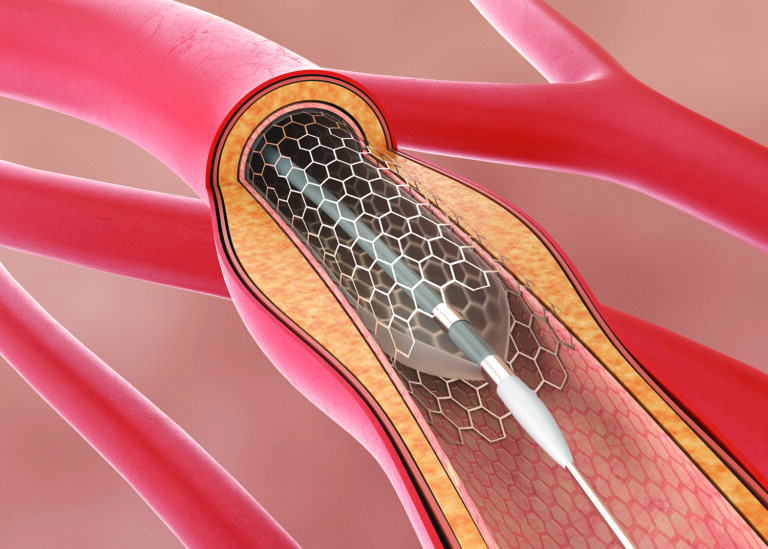
Over time, cholesterol plaques can narrow the arteries, forcing the heart to work harder to pump enough oxygen- and nutrient-rich blood to your vital organs. This overexertion can seriously weaken the heart, potentially causing heart failure. If plaque narrows the coronary arteries (the network of arteries that supply the heart muscle), you may experience a cramping pain called angina, which signals that your heart muscle is not getting enough oxygen. “It also is possible for a plaque to rupture and form a clot that blocks one of the coronary arteries,” Dr. Darrow says. “This is a heart attack, and if it is not swiftly treated, the muscle surrounding the clot may die.”
He adds that plaques also can form in the carotid arteries, which supply blood to the brain. “If blood flow to the brain is severely restricted or blocked by a clot, a stroke may occur and be severe enough to cause devastating physical and cognitive disability,” he says.
Your body below your heart is not immune from the effects of high LDL cholesterol. “LDL plaques can form in the arteries supplying the kidneys, which can affect how well they filter waste from the blood and exacerbate high blood pressure,” Dr. Darrow explains. “And plaque in the arteries of the legs—known as peripheral artery disease—can cause significant pain while you are walking, limit wound healing, and raise the risk of lower limb amputation.”
Learning how to lower LDL cholesterol and taking the necessary preventive steps will reduce your risk for all of these complications by helping to prevent further plaque formation, stabilizing existing plaques so that blood clots are less likely to occur, and improving blood flow through your body. Research has shown that LDL reduction can boost cardiovascular health, improve quality of life, and help you live longer.
How to Lower LDL Cholesterol: Actionable Steps
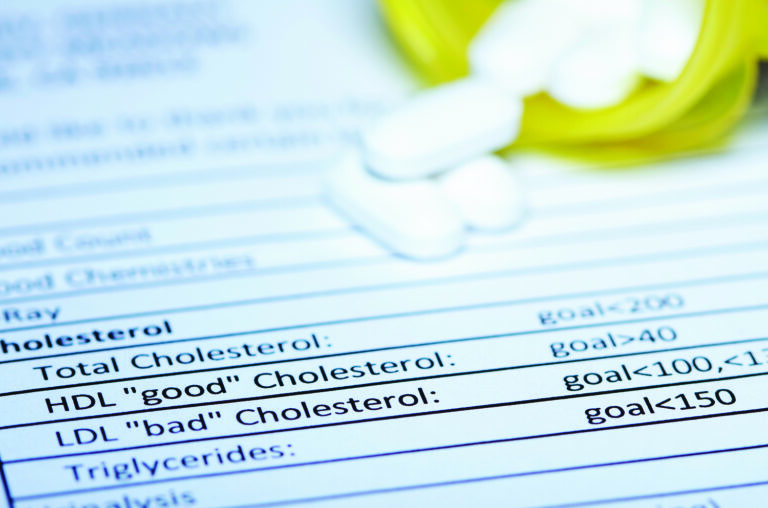
Ideally, your LDL level should be less than 100 milligrams per deciliter (mg/dL), and your HDL cholesterol level should be 50 mg/dL or higher. Your total cholesterol should preferably be less than 200 mg/dL. Dr. Darrow adds that the ratio of your total cholesterol to your HDL level also is important. “You can calculate your ratio by dividing your total cholesterol by your HDL level,” he says. “According to the American Heart Association, the optimal ratio is 3.5 or lower.”
While there are medications that can help lower LDL, your doctor probably will recommend you try lifestyle strategies first.
Eat a Heart-Healthy Diet
Diets that are high in saturated fats and cholesterol tend to increase LDL levels. Saturated fats are found in red meat and processed meats (sausage, bacon, salami), as well as full-fat dairy products, so try to limit your consumption of these. Also, avoid trans fats, which are found in packaged foods made with partially hydrogenated oils.
Dr. Darrow recommends consuming a Mediterranean-style diet that prioritizes fruits, vegetables, whole grains, low-fat dairy, poultry, fatty fish (salmon, trout, tuna, sardines, mackerel), and healthy fats (found in olive and canola oils, avocadoes, flaxseeds, and nuts). Increase your fiber intake, too. Soluble fiber is especially good at helping to lower LDL and is found in oatmeal, apples, bananas, blueberries, citrus fruits, beans, broccoli, lentils, and sweet potatoes, among other sources.
Get Regular Physical Activity
Physical activity helps regulate LDL because it boosts HDL cholesterol levels. It also may increase the size of LDL particles, which makes it harder for LDL to breach the lining of arteries.
Expert guidelines recommend getting at least 150 minutes of moderate-intensity physical activity or at least 75 minutes of vigorous-intensity activity per week. One of the easiest ways to meet the recommendation is to schedule a daily walk, but try not to stroll—instead, walk briskly. “A brisk pace translates to about 3 miles per hour,” Dr. Darrow says. “At this speed, you might be able to hold a conversation with a walking buddy, but you’ll be a bit breathless and definitely wouldn’t be able to sing! If you’re not used to exercise, increase the speed and duration of your daily walks gradually.” He adds that you also should engage in strength-training exercises, such as lifting weights, on at least two to three nonconsecutive days per week.
Maintain a Healthy Weight
Weight management is vital for cardiovascular and cognitive health. People who are overweight or obese typically have higher LDL levels and lower HDL levels, but losing weight may help restore the balance.
“Slow, steady weight loss through calorie reduction and increased physical activity levels is best,” Dr. Darrow advises. “Fad diets might help you lose weight faster, but many people who use them gain the weight back.”
Quit Smoking
Smoking damages the lining of arteries, which may make it easier to LDL to gain access to the intima. Smoking also can reduce HDL cholesterol, but studies show that smoking cessation can help improve HDL levels. Behavioral counseling, in combination with tobacco cessation aids (nicotine patches, gum, and lozenges), offers the best chance of successfully quitting the habit. Other things you can do to make smoking cessation less difficult include throwing cigarettes, lighters and ashtrays in the garbage, avoiding situations that trigger an urge to smoke, and stocking up on other things to put in your mouth rather than cigarettes (such as carrot sticks or cinnamon sticks). Most successful quitters try to quit up to five times before they ultimately succeed, so keep on trying.
Limit Alcohol Intake
Alcohol is high in calories that stimulate the liver to produce more LDL. “Aside from that, excess alcohol consumption is linked to numerous health issues, including cardiovascular disease and dementia, as well as a higher risk of falls,” Dr. Darrow warns. “Try to curb your consumption to no more than one drink per day.”
When Lifestyle Changes Aren’t Enough: Medications and Medical Advice
If lifestyle approaches don’t reduce your LDL, or you have familial hypercholesterolemia, your doctor may suggest you try cholesterol-lowering medications. Options include statins, which block a liver enzyme involved in cholesterol production. “Statins are highly effective at lowering LDL and also may slightly raise HDL,” Dr. Darrow says. “They may cause side effects, including muscle pain, but this typically eases within a few weeks. If it doesn’t, reducing the dose or substituting a different drug often helps, but if it doesn’t your doctor may prescribe different drugs called PCSK9 inhibitors.” If cholesterol medications are necessary, it still is important to follow lifestyle strategies that can regulate cholesterol.