You probably have heard of heart failure, but are you familiar with the conditions that can cause it? Cardiomyopathy is one of them, and it can result in other serious cardiac complications, too. Fortunately, advances in medications, procedures, and medical devices mean that most people affected by this heart muscle disease are able to control their symptoms and live active lives.
What Is Cardiomyopathy?
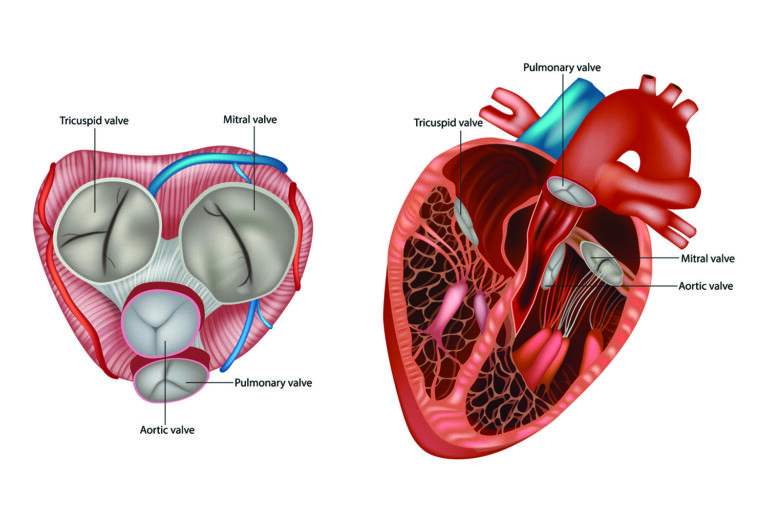
Your heart essentially is a muscular pump. Cardiomyopathies are diseases of the heart muscle that affect its pumping ability. To understand these effects, it is helpful to know how blood travels through the heart.
Your heart has four chambers: two upper (called atria) and two lower (called ventricles). Each chamber must relax to fill with blood and then contract to pump blood to the next chamber or out to the lungs or the rest of the body. These relax/contract phases are controlled by an electrical signal that spreads through each chamber of the heart in a coordinated manner (you experience this signal as your heartbeat).
Deoxygenated blood that has circulated throughout the body enters the right atrium and then moves down to the right ventricle. From there, the blood travels to the lungs, where it picks up oxygen. The oxygenated blood travels from the lungs to the left atrium before flowing to the left ventricle. The heart then pumps blood from the left ventricle through the aorta and out to the body for another round trip.
Cardiomyopathies impede this process by decreasing the strength of the heart’s contractions, preventing the left ventricle from relaxing enough to fill with oxygenated blood from the lungs or interfering with the electrical signal that controls each contraction. In response, the heart tries to compensate in ways that change its size and shape. “These changes initially may help the heart pump more blood, but over time, they weaken the heart muscle,” explains Bruce J. Darrow, MD, PhD, a cardiologist at the Icahn School of Medicine at Mount Sinai.
Types of Cardiomyopathy
The most common forms of cardiomyopathy are referred to as dilated, hypertrophic, restrictive, and arrhythmogenic. Another type, Takutsobo cardiomyopathy, occurs in response to stress and also is known as “broken heart syndrome.”
Dilated Cardiomyopathy
In this type of cardiomyopathy—the most common form of the disease—the left ventricle stretches and enlarges to the extent it cannot contract forcefully enough to pump blood out to the body. “This means that excess blood is left in the ventricle each time it contracts,” Dr. Darrow explains. “The ventricle has to expand slightly to contain this remaining blood, but it then has to expand more to contain the next batch of fresh blood coming from the lungs. Over time, the ventricle walls become stretched due to the extra volume of blood. Initially, the dilated ventricle is able to pump harder; however, over time, it becomes overstretched, which weakens its pumping power.”
Hypertrophic Cardiomyopathy
This type is characterized by thickening of the heart muscle that reduces the size of the left ventricle. The thickening can most obviously be seen in the septum (the wall separating the ventricles). The key difference with dilated cardiomyopathy is that the heart typically contracts normally in hypertrophic disease—yet less blood is pumped out. Why? “If the walls of the ventricles are too thick, they become stiff, making it difficult for the left ventricle to relax so that it can fill with oxygenated blood from the lungs,” Dr. Darrow says. “Thicker, stiffer muscle fibers also aren’t able to stretch enough to contain the blood, so less blood is pumped out because there is less blood in the ventricle.”
Hypertrophic cardiomyopathy, which can result from genetic abnormalities present from birth, often is the cause of sudden cardiac death in young people. However, the condition also can occur in older adults because it develops slowly and may not cause symptoms. As such, it may go undiagnosed for decades.
Restrictive Cardiomyopathy
This type is a less common form of cardiomyopathy. As with hypertrophic disease, it reflects thickening and/or stiffening of the ventricle walls, but the causes are different. “While hypertrophic cardiomyopathy is related to changes in the heart muscle cells, restrictive cardiomyopathy occurs in response to something that infiltrates or stiffens the heart muscle,” Dr. Darrow explains. “In older people, this can result from a condition called amyloidosis, which is a buildup of abnormal proteins in the muscle. Initially restrictive cardiomyopathy impairs filling of the left ventricle, but as the disease advances it affects contraction strength, too.”
Arrhythmogenic Cardiomyopathy
All cardiomyopathies disrupt electrical conduction through the heart to some extent, either because the electrical signal pathway is distorted by structural changes or because some type of infiltration blocks the pathway. But another rare type, called arrhythmogenic cardiomyopathy, has the biggest impact on electrical conduction. This type can either be acquired through conditions such as heart attacks or inherited. “It occurs when muscle tissue in the right ventricle is replaced by fatty tissue and scarring, both of which conduct electricity badly,” Dr. Darrow says. “Like hypertrophic cardiomyopathy, this type can be linked to sudden cardiac death in young people.”
Takotsubo Cardiomyopathy
This type is characterized by sudden weakening of the left ventricle, and it typically occurs after a stressful or traumatic event, such as loss of a spouse, child, or beloved pet (it also is known as “broken heart syndrome”) or a car accident. The condition develops soon after the predisposing event, and older women are most susceptible.
Symptoms of Cardiomyopathy
Some people with cardiomyopathy experience no symptoms at all, or symptoms that are mild enough to be dismissed as the result of overdoing things or sleeping badly. “These people typically are in early-stage disease, during which the heart is able to compensate for any damage,” Dr. Darrow observes. “They also may have damage in one area of the heart, while the rest of the muscle is normal.”
He adds that people also may adapt to their cardiomyopathy symptoms, especially if they are older and/or have a high threshold for aches, pains, and general discomfort. “Symptoms of the kind we tend to see in cardiomyopathy might cause an older adult to think they should just start walking more slowly now that they are in their 70s,” he says. “And slowing down might make the symptoms less obvious for a while, even though the underlying disease process will continue to progress.”
In people who do experience cardiomyopathy symptoms, the following issues tend to be the most common:
- Fatigue due to less oxygen reaching your muscles and organs.
- Reduced energy and stamina because your muscles need more oxygen during exertion, and they aren’t getting enough.
- Shortness of breath, due to the effect cardiomyopathies have on the heart’s ability to fill with blood. If blood backs up in the pulmonary veins (which carry blood from the lungs to the heart) fluid from the blood may enter the lung tissues, which makes it harder to breathe. (This also may cause a cough, especially when you are lying down.)
- Heart palpitations, partly due to damage from cardiomyopathy affecting electrical pathways through the heart and partly due to hormones the body releases to try to help the heart pump harder.
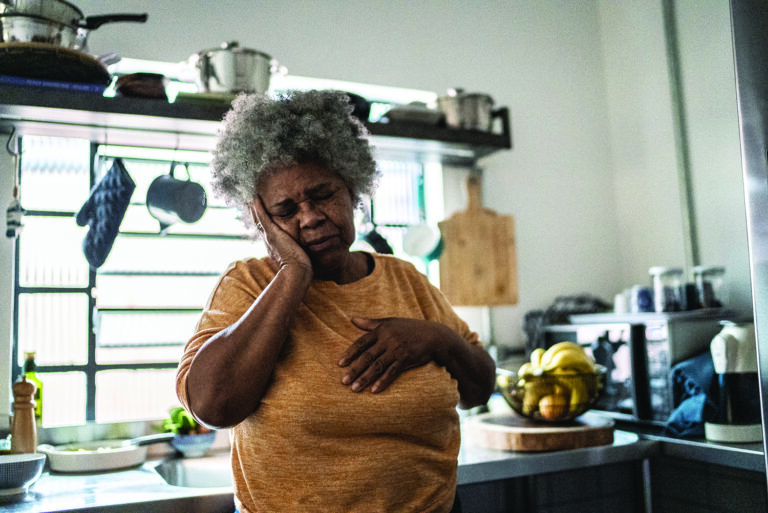
- Chest pain because the heart muscle is not receiving enough oxygen.
- Swelling in the abdomen, legs, and feet. If blood backs up in the veins, fluid leaks into body tissues, causing swelling.
- Dizziness, lightheadedness, and/or fainting, due to reduced blood flow to the brain.
What Causes Cardiomyopathy?
Cardiomyopathy causes include inherited conditions, acquired causes, and underlying conditions that increase the heart’s workload.
Inherited Causes
Mutations in certain genes can affect proteins that contribute to heart muscle elasticity and play a role in contractions. “Some inherited conditions also contribute to fat buildup within heart muscle cells, cause abnormalities in the valves that separate the heart’s chambers, affect the way heart muscle cells use energy, and interfere with electrical pathways in the heart,” Dr. Darrow notes. Hypertrophic and arrhythmogenic cardiomyopathy are linked most closely with genetic causes.
Acquired Causes
Sometimes cardiomyopathies develop because something you weren’t born with damages your heart. As an example, dilated cardiomyopathy typically is related to cardiovascular issues like coronary artery disease (in which the arteries that supply the heart muscle with blood become blocked by cholesterol deposits), heart attacks, problems with the valves that regulate the flow of blood through the heart’s chambers, and high blood pressure. “All force the heart to work harder than it should,” Dr. Darrow says. “Long-term heavy alcohol consumption also may lead to the dilated form of the disease because alcohol directly damages heart muscle cells.”
Other acquired causes include obesity, inflammation of the heart muscle due to viral infections (including the flu and COVID-19), chemotherapy and radiation for cancer, illicit drug use, and nutritional deficiencies. Takotsubo cardiomyopathy is always acquired.
Underlying Diseases or Conditions
Cardiomyopathy is linked to a range of underlying conditions, including diabetes, kidney disease, thyroid disorders, infiltrative conditions like amyloidosis, autoimmune diseases like lupus, and obstructive sleep apnea. Dr. Darrow notes that there is some overlap between underlying and acquired causes—for example, obesity and cardiovascular issues are acquired causes that also may be thought of as underlying causes.
How Is Cardiomyopathy Diagnosed?
Your medical history will be the starting point for getting diagnosed with cardiomyopathy. Your doctor will ask about the symptoms you are experiencing and if anything in particular triggers them. “Since cardiomyopathy can be inherited, you also will be asked if anyone in your family has suffered from the condition,” Dr. Darrow adds. “If they have, your doctor may recommend genetic testing, particularly if you have children who may have inherited gene mutations from you.”
A physical exam will be carried out to check for a heart murmur (a faint whooshing sound that can be heard through a stethoscope and may indicate a problem with one of the heart’s valves), abnormal heart rhythms, and fluid in your lungs (signaled by crackling sounds that can be heard through a stethoscope placed on your back while you breath slowly and deeply). Your doctor also will check for swelling of your lower legs and feet.
Blood tests may be ordered to check for underlying conditions that may be a factor in your condition, such as thyroid disease. Other tests your doctor may recommend include an electrocardiogram, which can detect abnormal heart rhythms, and an echocardiogram, which can assess the size and shape of your heart and how well it contracts. A chest x-ray may be ordered to check the size of your heart and look for fluid in your lungs. If your doctor suspects that you have restrictive or arrhythmogenic cardiomyopathy, you may be referred for cardiac magnetic resonance imaging (MRI) to check for amyloidosis, scarring, and fat buildup.
You may be advised to undergo cardiac catheterization if you have coronary artery disease. If any blockages are found in your coronary arteries, stents (small mesh tubes that open up narrowed or blocked arteries) may be implanted.
How Is Cardiomyopathy Treated?
Lifestyle changes can help you live well with cardiomyopathy. Consume a healthy diet that prioritizes fruits, vegetables, whole grains, and healthy fats and limits saturated fats and salt (the Mediterranean diet is ideal). Engage in daily physical activity according to your doctor’s guidelines, avoiding strenuous activity if warned to do so. Quit smoking if you engage in the habit, and avoid using recreational drugs.
All of these strategies will help you manage underlying conditions that play a role in some forms of cardiomyopathy, including high blood pressure, obesity, and diabetes. Get vaccinated against respiratory infections like the flu and COVID-19.
Medications play a major role in cardiomyopathy treatment, and a range of drugs is available to reduce blood pressure, control fluid buildup, and help improve your heart’s pumping power. Commonly used drug classes include ACE inhibitors, angiotensin receptor blockers, and angiotensin receptor-neprilysin inhibitors. Through different mechanisms of action, these drugs target a hormone that increases blood pressure by constricting blood vessels.
Your doctor may prescribe antiarrhythmic drugs if you are experiencing abnormal heart rhythms, and blood thinners to help prevent the formation of blood clots that can arise due to these rhythms. Drugs to control amyloid buildup in the heart may be needed. “You will gain the most benefits from medications if you take them as directed,” Dr. Darrow advises. “Tell your doctor about any side effects, as these often diminish over time or can be alleviated by switching to a different drug.”
In some cases, cardiomyopathy treatment means a pacemaker or implantable cardioverter-defibrillator (ICD) must be implanted to regulate your heart rhythm. An ICD also can deliver an electric shock if necessary to correct a potentially life-threatening arrhythmia.
In severe cases, a left-ventricular assist device (LVAD) may be implanted. These mechanical pumps are designed to help a severely weakened heart pump blood. “While they originally were intended as short-term options for people awaiting heart transplantation, these devices in some cases can be used for long-term management of cardiomyopathy,” Dr. Darrow says.
There also are surgical approaches to managing cardiomyopathy. “A thickened septum can be trimmed to decrease its volume or may be reduced through a catheter-based technique that shrinks the bulky tissue by cutting off its blood supply,” Dr. Darrow explains. “Valve surgery also is an option to repair or replace damaged heart valves that may be contributing to cardiomyopathy symptoms.”
Heart transplantation may be considered for people who do not respond to other treatments and progress to late-stage heart failure due to cardiomyopathy; however, wait lists for the procedure are very long. An LVAD may be recommended while you wait for a donor heart to become available.
What Are the Possible Complications?
Cardiomyopathies that are not adequately treated can progress to cause serious complications, including:
- Heart failure. A condition in which the heart can no longer pump enough blood to meet your body’s needs.
- Abnormal heart rhythms that are associated with sudden cardiac arrest if not detected and properly managed.
- Blood clots. Blood may pool in the heart and form clots that can result in serious complications. “For example, clots that develop on the left side of the heart may enter an artery and travel to the brain to cause a stroke, while clots that develop on the right side of the heart may travel to the lungs, where they can cause a pulmonary embolism,” Dr. Darrow says. “Both events are life-threatening emergencies.”
- Sudden cardiac arrest. “In a cardiac arrest, the heart may stop contracting entirely or contract in a chaotic manner that does not effectively pump out blood,” Dr. Darrow explains. “If not immediately treated, a cardiac arrest will result in death.”
When Should You See a Doctor?
Even if you have no family history of heart problems, alert your doctor to symptoms that may signal a problem, such as feeling breathless with minor activity, intense fatigue for no apparent reason, new swelling in your lower extremities or abdomen, frequent dizziness, fainting, and palpitations.
Some cardiomyopathy symptoms are shared by other conditions and may point to a medical emergency and warrant immediate medical attention. These symptoms include:
- Chest pain or pressure/squeezing in the chest.
- Severe shortness of breath, particularly if it develops when you are lying down.
- A rapid heart rate.
- Sudden collapse that may indicate a cardiac arrest.