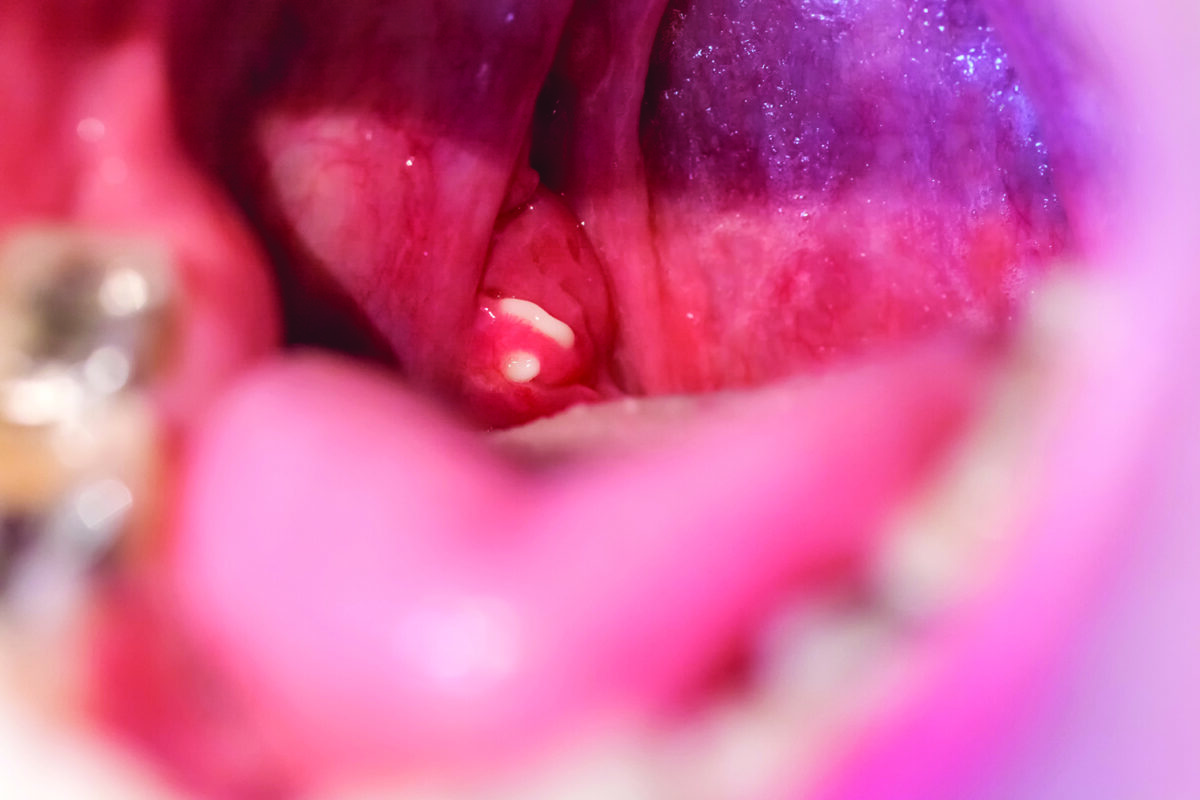
Tonsil stones are small, hard lumps that form in the tonsils. They can cause persistent bad breath or the sensation that something is stuck in your throat. Up to 40% of people experience this bothersome condition without knowing what causes tonsil stones or what to do about them.
To learn more, Bottom Line spoke with Reena Dhanda-Patil, MD, professor of otolaryngology, head and neck surgery at Northwestern University Feinberg School of Medicine.
What Are Tonsil Stones?
Tonsil stones, medically known as tonsilloliths, are small white or yellow deposits that form in the tonsils, the two oval-shaped pads of tissue at the back of the throat. In a study published in Otolaryngology–Head and Neck Surgery, researchers examined tonsilloliths removed from adults undergoing tonsillectomy and found that they had a structure similar to dental biofilms, communities of microorganisms that attach to a surface. The researchers found different layers within the stones where microorganisms used oxygen and nitrate and produced acid. They concluded that tonsil stones are living biofilms with ongoing microbial activity.
Tonsil stone symptoms can include bad breath, sore throat, cough, discomfort with swallowing, recurrent throat infections, or the feeling that something is caught in the throat.
How Do Tonsil Stones Form?
The formation of tonsil stones starts in the tonsillar crypts, tiny indentations in the tonsils. They form when food particles, dead cells, mucus, bacteria, and minerals from saliva harden into small clumps. Bacterial activity may also help explain the connection between bad breath and tonsil stones.
Researchers looking at tonsil stones found several types of anaerobic bacteria associated with the production of volatile sulfur compounds, including hydrogen sulfide and methyl mercaptan. These gases are major contributors to bad breath. Every tonsil stone examined in the small study contained at least one bacterial species known either to produce these sulfur compounds or to be associated with oral malodor.
Main Causes of Tonsil Stones
Several factors can make it easier for debris to collect in the tonsils or make some people more prone to stones. The causes of tonsil stones include:
- Poor oral hygiene. Poor oral hygiene can increase the likelihood of tonsil stones. To reduce your risk, brush your teeth and tongue, floss, and use a nonalcohol-based mouthwash. But even with perfect hygiene, you may still develop stones, Dr. Dhanda-Patil says: “A lot of people don’t realize it’s related to chronic infection in the crypts of the tonsils.”
- Enlarged tonsil crypts. Basic anatomy is a common cause. Tonsils with many indentations and irregular surfaces provide more places for debris to become trapped, making tonsil stones more likely. Chronic infections can cause deeper, more irregular crypts.
- Dry mouth and dehydration. Dehydration is sometimes listed as one of the possible risk factors for tonsil stones, but strong evidence establishing it as a direct cause is limited. Staying adequately hydrated may help maintain saliva flow and oral health, but hydration alone cannot eliminate the crypts in which stones develop.
- Post-nasal drip and sinus issues. Recent research suggests there may be a connection between sinus and nasal problems and tonsil stones. A 2025 study published in Turkish Archives of Otorhinolaryngology examined computed tomography (CT) scans from 3,516 people and found that tonsilloliths were significantly more common among people with chronic rhinosinusitis or a deviated nasal septum. Overall, 27.6% of the people studied had tonsil stones. The researchers also found that tonsil stones became more common with age. The study shows an association, however, and does not establish that sinus problems cause tonsil stones.
- Diet and lifestyle. Smoking and drinking large amounts of sugary beverages may increase the risk, but there isn’t strong evidence linking any one food to the condition.
- Age. The prevalence and size of tonsil stones increase with age.
Who Is at Risk?
Anyone with tonsils can develop tonsil stones, but some people are more susceptible than others. Risk factors for tonsil stones include having tonsils with many crypts or irregular surfaces, smoking, poor oral hygiene, and a family history of tonsil stones.
Research published in December 2025 in Scientific Reports suggests a possible connection between tonsil stones and periodontal disease. In a study of 342 people, researchers found that those with tonsil stones had more missing teeth and were more likely to have advanced periodontal bone loss. Larger stones were also associated with more severe bone loss. The findings suggest a relationship between the conditions but do not establish that tonsil stones cause gum disease.
Signs and Symptoms to Watch For
Small tonsil stones often cause no symptoms. When they do, tonsil stone symptoms can include bad breath, sore throat, cough, discomfort with swallowing, recurrent throat infections, or the feeling that something is caught in the throat.
Tonsil stones become more than a nuisance, Dr. Dhanda-Patil says, “when they are associated with frequent strep throats and/or obstructive sleep apnea due to enlarged tonsils.” Large tonsils can narrow the airway. Removal can be part of surgery for some people with obstructive sleep apnea.
Dr. Dhanda-Patil says she has performed tonsillectomies for people with chronic tonsillitis and associated tonsil stones. “They are very happy afterward because the nuisance of stones is gone, but they also often feel much better as the source for chronic infection has been eliminated,” she says. For those with enlarged tonsils, she adds, sleep and snoring often improve.
Prevention Tips: How to Reduce Your Risk
Complete tonsil stone prevention can be difficult when anatomy is contributing to the problem. “The only effective way to prevent stones is to have a tonsillectomy, which is often more than people want,” Dr. Dhanda-Patil says.
She recalls a patient who came to her expecting to have the stones removed in the office. “I explained that tonsillectomy is the only definitive therapy for these stones,” she says. “The person decided against surgery after learning that recovery from tonsillectomy can be quite painful.”
Home remedies for tonsil stones may help manage them or reduce recurrence. “Some patients use a Waterpik to help loosen the stones,” Dr. Dhanda-Patil says. Gargling with salt water after eating, avoiding smoking, and limiting foods and drinks containing a lot of sugar may also help. But you should not aggressively dig into your tonsils.
“I encourage patients not to pick, as the tonsils are very vascular organs and picking into the depths of tonsillar crypts can cause bleeding and scarring,” Dr. Dhanda-Patil advises.
When to See a Doctor
Most tonsil stones are harmless and do not require professional tonsil stone treatment. See your doctor if stones keep returning, symptoms are particularly bothersome, or you have persistent throat pain, difficulty swallowing, recurrent infections, or significant problems with snoring or sleep. For people with severe or persistent problems, tonsillectomy for tonsil stones may be considered.
Researchers are studying less-invasive alternatives to tonsillectomy. In a randomized clinical trial of 199 adults with tonsil-related problems, including tonsillolithiasis, people treated with carbon dioxide laser tonsillotomy recovered more quickly and experienced less pain than those who underwent conventional tonsillectomy. However, symptoms were more likely to persist after the less-invasive procedure. A 2025 follow-up found that both procedures provided long-term symptom relief, but tonsillectomy was more effective at reducing symptoms.
For many people, that trade-off is the central issue. Tonsil stones are generally harmless, but they can be persistent and bothersome. Understanding what causes tonsil stones, managing them without injuring the delicate tonsil tissue, and getting medical advice when symptoms become frequent or disruptive can help you decide on the safest approach.