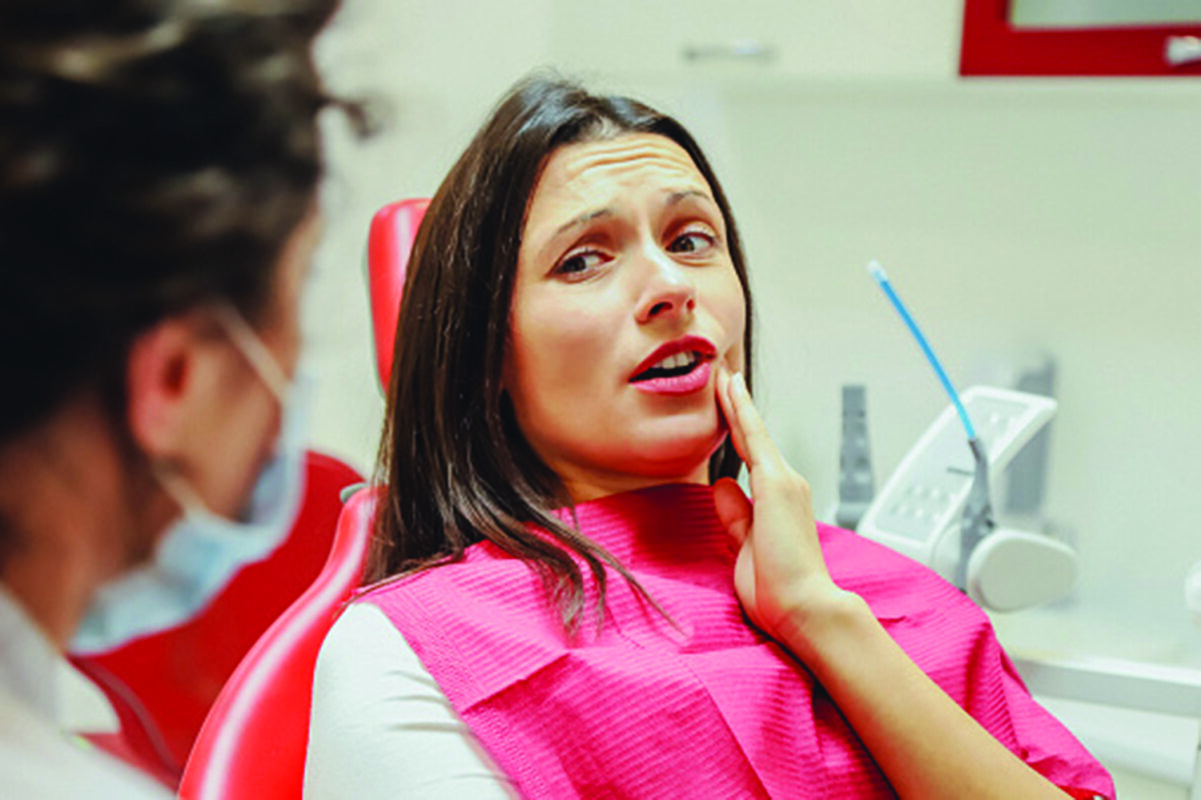
Are you suffering from painful gums? If you are, it is vital to mention the problem to your dentist. Gum pain and bleeding gums might just be a sign that you are brushing your teeth too hard or that your dentures no longer fit.
Sore gums also can signal advanced gum disease (officially termed periodontal disease). Research suggests that a good 70% of older adults have gum disease, but they may not realize it because the condition tends to be symptom-free in its early stages. “Along with other factors—including genetics, poor oral health, dry mouth, and previous restorations—gum disease can contribute to tooth loss,” says Judy Lee Moy, DDS, chair of the Department of Dentistry at the Icahn School of Medicine at Mount Sinai.
Studies suggest that gum disease also is associated with several serious health issues. The best ways to avoid these possible complications are to keep up with regular dental checkups and practice good oral health habits at home.
What Is Gum Pain?
Gum pain can manifest in many different ways. It may be as simple as mild tenderness that occurs when you brush your teeth or eat foods that are crunchy, or you may feel an ache that accompanies chewing. It may be a throbbing pain that persists for several hours before easing off, or it may be acute, stinging pain that strikes when you eat certain foods. In some cases, the pain seems worse at night and prevents you from sleeping.
Pain is often a symptom of inflammation, which causes swollen gums and can make your gums appear redder than they should be. Periodontal disease may lead to bleeding gums, too.
Your gums may become sensitive to drinks or foods that are very hot or very cold, and you may subconsciously avoid hard, crunchy, or spicy foods in favor of soft, bland foods that are easier to chew. Brushing your teeth may be so uncomfortable that you stop doing it (which will cause your symptoms to worsen). If you wear dentures, sore gums may cause discomfort.
Dr. Moy warns that these are all red flags that warrant a dental checkup, noting that early-stage gum disease is reversible, with your dentist’s help. “Advanced disease cannot be reversed, but your dentist will be able to advise you on how to ensure that it doesn’t progress further,” she says. “It also is possible that another issue is causing your gum pain, and your dentist is best positioned to diagnose the cause and help you manage it.”
Common Causes of Gum Pain
There are numerous possible reasons for gum pain. Some directly contribute to sore gums, while others make your gums more vulnerable to conditions that cause pain, swelling, and bleeding. Here’s what might be going on in your gums.
Gum Disease
Gum disease has two stages: gingivitis and periodontitis. In gingivitis, sticky plaque accumulates on your teeth and gums. The plaque consists of bacteria that irritate your gums, causing mild inflammation you likely won’t notice. This early-stage gum disease typically doesn’t cause pain because it is located mainly along the gumline, where the tissue has fewer pain receptors.
However, gingivitis does make the gum tissue more fragile, and your gums may start to bleed when you floss and brush your teeth. Good dental hygiene can prevent gingivitis and return your gums to good health by minimizing plaque build-up on your teeth. But if the plaque is not controlled it will harden into a substance called tartar, which provides a rough surface where bacteria can proliferate, worsening inflammation. “Sometimes tartar cannot be easily removed with a toothbrush or dental floss,” Dr. Moy says. “You need to visit the dentist for a routine cleaning to properly remove the tartar.”
Late-stage gum disease is known as periodontitis and is more common in people who are unable to properly care for their teeth due to cognitive or functional issues, as well as people who have high blood sugar and those who suffer from a dry mouth (xerostomia). Smoking also raises the risk of progression to periodontitis—it reduces blood flow to the gums, which impairs healing.
If your gum disease advances to this point, your gums will be painful, more obviously inflamed and tender, and will bleed more easily. They also may begin to recede from your teeth, making your teeth appear longer and creating pockets where food debris and plaque may become trapped. You may develop bad breath as bacteria spreads deeper into the gum tissue, where it can damage the ligaments that secure your teeth in the jawbone, and even the bone itself. Your teeth may loosen, making it harder to chew your food and affecting your ability to consume a nutritious diet.
Keep in mind that studies have found an association between advanced gum disease and a range of potentially serious health conditions, including pneumonia, cardiovascular disease, diabetes, Alzheimer’s disease, rheumatoid arthritis, and stroke. Note that you shouldn’t panic about these associations if you are told that you have gum disease—the condition does not directly cause these complications. But it does reflect underlying chronic inflammation that also is seen in these complications.
Poor Oral Hygiene
An ineffective or irregular oral hygiene regimen is a major contributor to gum pain and bleeding gums because it makes you more vulnerable to the plaque and tartar that trigger gum disease. But regular toothbrushing also can be a factor if you are still in the habit of brushing your teeth too hard with an old-fashioned hard toothbrush. Many older adults still do this because they assume it keeps their gums and teeth healthy. “This isn’t the case,” says Dr. Moy. “Hard toothbrushes cause mechanical abrasion that can remove the enamel from your teeth and cause gum recession.”
Canker Sores and Ulcers
Sharp, stinging gum pain may be due to a canker sore (aphthous ulcer), especially if it strikes when you eat spicy foods or drink your morning glass of OJ. You may well recall getting these small ulcers constantly in your younger years—and indeed, they are more common in young people, possibly due to hormonal changes and teenage braces. But older adults also can develop canker sores, especially if they wear dentures, are low in certain nutrients (iron, folate, vitamin B12) or suffer from xerostomia or certain medical conditions (including diabetes, inflammatory bowel disease, lupus and some other autoimmune conditions, and HIV).
Medications that make canker sores more likely include nonsteroidal anti-inflammatory drugs (NSAIDs) like ibuprofen (Advil), beta-blockers, some osteoporosis drugs, and chemotherapy. “If you notice that the canker sores or ulcers persist instead of resolving, have your dentist examine them,” Dr. Moy advises. “Most canker sores and ulcers are spontaneous and benign, but if they don’t go away, they should be evaluated to check if there is a serious condition brewing, such as oral cancer.”
Dental Appliances
Dentures are a common cause of sore gums in older age. You likely will experience minor gum pain from new dentures, but if this doesn’t resolve in a few weeks, ask your dentist to check that your dentures fit properly. Ill-fitting dentures exert pressure on tender gum tissue, cause friction if they slip and rub against your gums when you chew your food, and contribute to canker sores.
But even dentures that fit perfectly may cause gum pain if they are not properly cleaned. A buildup of food particles on your dentures can promote bacterial growth on the gums and increase the risk of a yeast infection called denture stomatitis. Dr. Moy adds that bone loss in the jaws is common as we age and can affect how well your dentures fit. “It is advisable to see your dentist every six months so they can check the fit and adjust the dentures or reline them if necessary.” Relining involves replacing the surface of the dentures where it meets your gums so that the fit will be snug again.
Hormonal Changes
Hormonal changes that accompany aging—such as the decrease in estrogen that occurs in older women during and after menopause—make the gums more fragile and slower to heal if they are injured or damaged by inflammatory processes. Reduced estrogen also is linked to xerostomia, which may be exacerbated by certain drugs (including diuretics, antidepressants, decongestants, and chemotherapy).
Vitamin Deficiencies
Low levels of certain nutrients may contribute to conditions that cause gum pain, such as canker sores. Iron, folate, vitamin B12, and zinc are key, since they play an important role in maintaining healthy oral tissues. Vitamin D and calcium also are important, since they contribute to bone density in your jaw. A vicious cycle can set in: You may be unable to consume a nutritious diet because your gums and teeth are painful but may suffer worsening symptoms because your poor diet impedes healing.
Infections or Abscesses
These are more likely in people with advanced gum disease, those with conditions that affect healing, such as diabetes, and those who suffer from xerostomia. Conditions and medications that lower immune function also make infections and abscesses more likely, as do ill-fitting dentures and conditions that make it difficult for people to properly floss and brush their teeth (for example, arthritis, dementia, vision impairment).
Tobacco Use
Smoking is not a direct cause of gum pain, but it raises the risk of gum disease and other conditions that may cause sore, bleeding, swollen gums. The toxic chemicals in tobacco smoke narrow blood vessels, decreasing blood flow to the gums and teeth and slowing the healing process if the gums are injured. Research suggests that smokers are more likely to develop periodontitis compared with people who do not smoke. And you’re not off the hook if you use chewing tobacco—while this doesn’t produce smoke, it does bathe the gums in chemicals that damage gum tissue.
When to Worry: Warning Signs and When to See a Dentist
If you experience these symptoms, see your dentist for a thorough examination:
- Bleeding gums. It is very unusual for healthy gums to bleed when you are flossing or brushing your teeth. Remember: Gum pain usually occurs in late-stage gum disease. Bleeding gums often are the first sign that you have gum disease.
- Gum abscess symptoms. These include a tender, swollen area on your gum, throbbing pain that worsens if you bite down on something, swelling in the jaw area, fever, chills, pus or discharge around the base of a tooth, a foul taste in your mouth, and loosening of the adjacent tooth.
- A canker sore that doesn’t heal within a week, is very large and painful, and/or is making toothbrushing and eating difficult.
- Bad breath that does not resolve with more thorough oral hygiene.
- Tooth sensitivity in response to hot or cold foods and drinks, spicy foods, or citrus fruit juices.
- Gum pain that is keeping you awake at night and/or preventing you from eating your normal diet.
Home Remedies and Self-Care for Gum Pain
There is a lot you can do at home yourself to keep your gums and teeth healthy, avoid gum pain and other symptoms, and ease sore gums.
Rinse your mouth with warm salt water or an antiseptic mouthwash recommended by your dentist to help relieve minor inflammation of the gums.
If you have a canker sore, bypass spicy, crunchy foods and fruit juice for a few days while it heals. “You also may gain relief from over-the-counter numbing gels, but these don’t work for everybody,” Dr. Moy notes. “See your dentist if a canker sore does not heal after one week.”
If you have a dry mouth, sugar-free gum can be helpful for stimulating saliva flow. Also consider using artificial saliva (available over the counter at pharmacies). Drink plenty of fluids throughout the day. Don’t wait until you feel thirsty, since thirst is a sign that you already are dehydrated—and avoid caffeine, which can worsen a dry mouth.
If your jaw is swollen due to an abscess, an ice pack may help.
If you need to take painkillers, opt for acetaminophen (Tylenol), since NSAIDs are associated with potentially serious side effects in older adults.
Professional Treatment Options
Medical treatment of gum pain depends on the underlying cause. Antibiotics may be prescribed if infection is present, and an abscess may need to be drained. Your dentist may recommend you have your dentures adjusted or get new dentures.
Your gums may be probed to check for deep pockets and professional cleaning and scaling may be carried out to remove plaque and tartar. Your dentist also may recommend deep cleaning to remove bacteria that may be building up in less accessible areas between your teeth and under your gumline. These strategies can help reduce inflammation, heal sore gums, and prevent gum disease from progressing. Your gums may feel a bit tender after deep cleaning, but this should ease within a few days.
If your dentist suspects that nutritional deficiencies are contributing to your oral health issues, they may order lab tests to check if you are deficient in key vitamins. You may be referred to a dietitian if gum pain is causing you to eat less or cut out certain food groups.
Prevention Tips for Healthy Gums
See your dentist for regular checkups and cleanings. Dr Moy emphasizes that dentists often notice the underlying processes that cause tooth and gum pain, bleeding gums, gum infections, and gum recession before these symptoms become noticeable. Another important thing to keep in mind is that you shouldn’t stop getting routine dental exams just because you wear dentures. “Not having natural teeth doesn’t automatically mean that your gums are safe from conditions that can cause pain and other symptoms,” she says.
Also follow these tips:
- Use a soft-bristled toothbrush to gently brush your teeth, or, better yet, switch to a battery-powered toothbrush. Because the latter have rotating heads, they often can help you break an aggressive brushing habit. They also can help you maintain effective oral hygiene if you have health issues that impact your manual dexterity.
- Floss gently, being sure to guide the floss around the base of each tooth—don’t be tempted to saw the floss back and forth. If you find it difficult to use standard dental floss, use interdental brushes. You also may want to invest in a water flosser to help wash food particles from between your teeth and just under your gumline.
- Don’t wear your dentures 24/7. Even well-fitting dentures subject your gums to some pressure, as well as reducing the flow of air and saliva to your gums. “Clean them properly too, since this will help prevent bacterial growth,” Dr. Moy says. “After eating, it is advisable to remove dentures and rinse them and your mouth with water.”
- If you smoke, quit, since it increases the risk for conditions that can cause gum pain. If you are finding it difficult to quit, ask your doctor about behavioral counseling and smoking-cessation aids.
- Consume a healthy diet. The Mediterranean diet, which prioritizes fruits, vegetables, whole grains, and healthy fats, is renowned for its health benefits and provides plenty of the nutrients that contribute to oral health—in fact, research from scientists at King’s College London has suggested that low adherence to the diet may raise the risk for periodontitis (Journal of Periodontology, January 2026). If sore gums or toothache are interfering with your ability to chew, cook fruits and vegetables until soft, blend foods into smoothies, choose ground meats, and shred meat and fish. “Also consider nutrition shakes if you are not able to get sufficient nourishment from regular food because of problems with your gums or teeth,” Dr. Moy adds. Your doctor or a dietitian can recommend a product.
Above all, don’t assume that no gum pain means that your gums and teeth are healthy. Gum disease is stealthy, and early symptoms like bleeding gums often are intermittent. But the fact the signs occur only now and then doesn’t mean you are in the clear.