Dealing with a kidney stone can be one of the most agonizing experiences you can endure. In fact, clinical surveys of women suggest the pain of passing a kidney stone is comparable to that of childbirth.
As if the pain wasn’t enough, the stones can result in serious complications, including a heightened risk for kidney cancer, recent research suggests. So, it’s vital to understand how to prevent kidney stones and what contributes to them, especially if you’ve already had them.
“If you’re forming kidney stones for the first time, you have about a 50% chance over the next 10 years of having another kidney stone,” says Sri Sivalingam, MD, a Cleveland Clinic endourologist. “So, it pays to put some effort into minimizing the risk of first-time and recurrent stones.”
By modifying your diet and practicing other healthful lifestyle behaviors, you can keep kidney stones from rolling and rocking your kidney health and function.
Understanding Kidney Stones
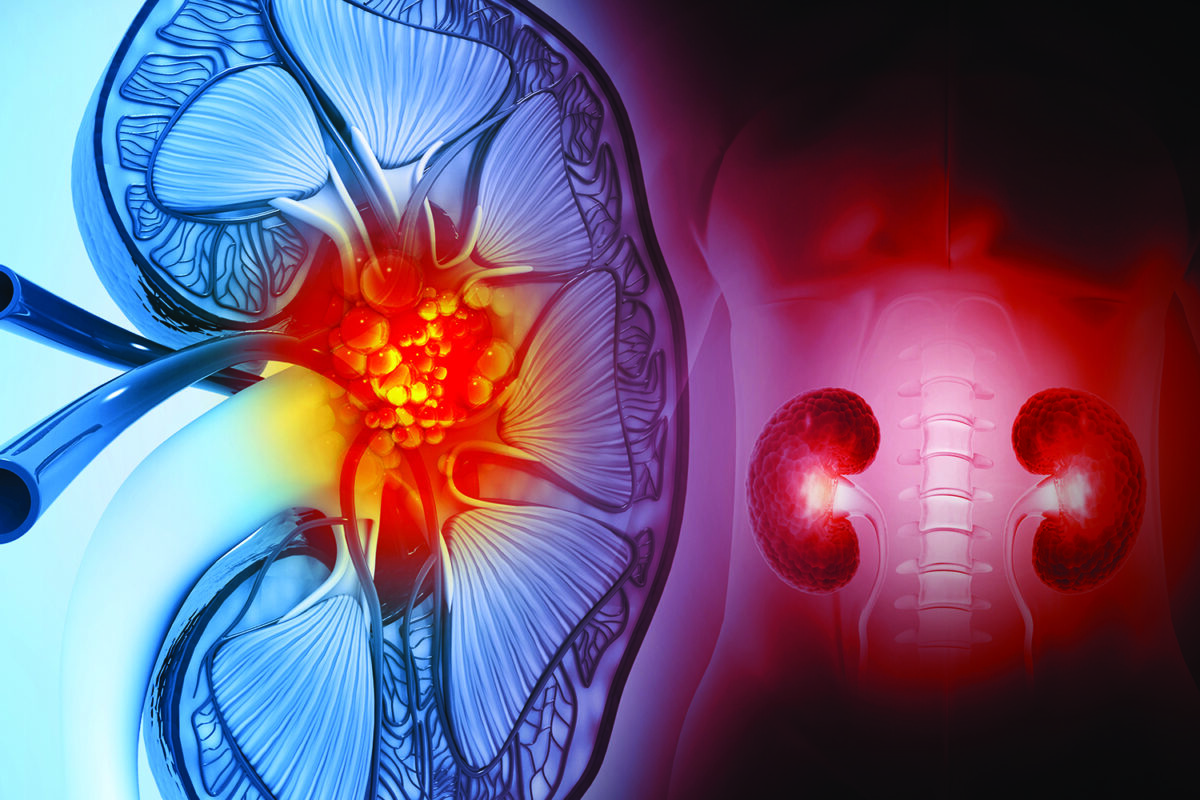
Kidney stones are masses formed by substances like calcium, oxalate, phosphorus, and uric acid that bind together in the urine instead of being excreted from the body. Most commonly, kidney stones consist of calcium and oxalate, a compound found in an array of foods. Calcium also may bind to phosphorus to form calcium phosphate stones. Another common type of stone is composed of uric acid, which forms when your body metabolizes dietary components known as purines (this same process also drives painful gout flareups).
In some cases, kidney stones pass unnoticed out of the body in urine, and some nonobstructive kidney stones may never pose a problem. Others can harbor bacteria, which not only can cause urinary tract infections (UTIs), but also may prompt the formation of other kidney stones.
It’s when kidney stones move to the renal pelvis and/or ureter and obstruct urine passage that symptoms like sharp pain in the back, side, groin or abdomen, nausea, vomiting, blood in the urine and painful or difficult urination can occur. Even if they produce no symptoms, obstructive kidney stones can lead to deterioration of kidney function and, potentially, chronic kidney disease. They also can cause UTIs, which can potentially lead to septic complications.
“So, it can really snowball into a dire situation,” Dr. Sivalingam says.
Furthermore, in a recent meta-analysis of data from 13 studies, researchers reported that a history of kidney stones was associated with a more than twofold increased risk of kidney cancer (Canadian Urological Association Journal, April 2026). Dr. Sivalingam says this finding could be due to detection bias—i.e., the fact that more people with kidney stones are undergoing computed tomography (CT) and other imaging means that more (and smaller) kidney tumors are being detected. Another possibility, he adds, is that the presence of one or more kidney stones triggers chronic inflammation, which could contribute to cancer development.
“The stone is sitting there, it’s rubbing the lining of the kidney, and there’s this constant trauma and repair to those cells,” Dr. Sivalingam explains. “When cells are going through these cycles of repair and regeneration more frequently, there’s always that theoretical increased risk of mutations and cancer. Certainly, it’s something that needs to be explored, and there seems to be some sort of mechanism tied to pathways that we still haven’t quite teased out.”
Key Risk Factors
Having one bout of kidney stones increases your risk of experiencing another. Likewise, having a strong family history of kidney stones, especially involving a parent or sibling, may increase your chances of developing them yourself.
However, the most significant kidney stone risk factors are those you have the power to control. For instance, kidney stones tend to be more common in people with diabetes, obesity, high blood pressure, and gout—all of which are preventable and manageable.
A major contributor to stone formation is inadequate hydration. Additionally, a diet high in salt (sodium) and animal proteins can predispose you to kidney stones.
With another dietary component, calcium, a proper balance is critical. A diet low in calcium is associated with greater kidney stone risk, whereas adequate dietary calcium binds to oxalate in the gut and helps to excrete it before it can reach the kidneys, thereby reducing the formation of calcium oxalate stones. Paradoxically, having high calcium levels can increase the risk of stone formation.
Essential Prevention Strategies
You can take a number of steps to reduce your risk of first-time or recurrent kidney stones:
Stay Well Hydrated
You need adequate fluid intake to flush out and prevent the buildup of substances that bind together to form kidney stones.
In the Prevention of Urinary Stones with Hydration (PUSH) study, Dr. Sivalingam and other researchers reported that a behavioral intervention designed to increase fluid intake did not reduce recurrent stone episodes among 1,658 people (The Lancet, March 21, 2026). The finding doesn’t mean that fluid intake isn’t important for preventing kidney stones, Dr. Sivalingam cautions. In fact, an analysis of the PUSH data involving 1,461 participants found that the group who actually increased their urine volume by more than 438 milliliters per day over two years had a 24% lower risk of recurrent kidney stones (American Urological Association Annual Meeting, May 2026). “The message is that simply counseling patients to drink more fluids can only take you so far,” Dr. Sivalingam says. “Beyond that, we have to look at other ways of improving the entire urinary milieu to reduce the risk of recurrence for these patients.”
A general rule of thumb is to consume eight 8-ounce glasses of fluids (preferably water) each day to maintain good hydration. However, your fluid needs will vary depending on your physical activity level, environment and how much water you lose to sweat, among other factors.
“I tell my patients all the time that I’m not concerned as much about how much fluid you’re taking in but more about what you’re putting out,” Dr. Sivalingam says. “The recommendation is to produce 2½ liters of urine output per day, but patients aren’t necessarily going to have the tool to measure that. So, I try to guide them to drink enough so that their urine is clear rather than having a color to it. That gives us an idea that the urine is diluted enough.”
Limit or avoid dark sodas containing phosphoric acid, which can promote stone formation. Some evidence suggests that drinking caffeinated coffee may offer some protection against kidney stones. Also, note that hydrating foods like celery, cucumber, tomatoes, lemons, limes, zucchini, watermelon, and soups can add to your fluid total.
Eat a Balanced Diet
It may sound counterintuitive, but include sufficient calcium in your diet, especially if testing indicates you have calcium oxalate stones. Drink cow’s milk or fortified plant milks or juices, all of which provide calcium while also helping with hydration. Then, if your doctor or dietitian recommends it, limit your intake of foods high in oxalate, such as spinach and other leafy greens, white potatoes, rhubarb, black tea and chocolate. Consider leafy greens like kale and cabbage as lower-oxalate alternatives to spinach. Also, pair calcium-rich foods with those containing oxalates to help prevent oxalate buildup in the kidneys.
“There’s a misconception that patients with calcium oxalate stones need to cut down on calcium, but if you cut out calcium, you’re putting yourself at an increased potential risk,” Dr. Sivalingam says. “The first thing is to make sure you have adequate calcium in your diet. Then, beyond that, we can start looking at whether you need to cut down on oxalates or not.”
If you have uric acid stones, your health-care provider will recommend reducing your intake of purine-rich foods and beverages, such as beer, distilled spirits and organ/game meats.
A high-salt, high-sodium diet increases calcium excretion, so limit your sodium intake to less than 2,300 milligrams per day. Similarly, watch your consumption of meats, eggs and other animal protein sources, which can contribute to stone formation. Overall, following a heart-healthy eating pattern such as the Mediterranean or Dietary Approaches to Stop Hypertension (DASH) diet naturally can help you limit your intake of sodium and animal proteins, but discuss your individual dietary needs with your doctor or a registered dietitian.
Increase Citrate Intake Naturally
Foods and beverages containing citrate (e.g., lemons/lemon juice, limes, oranges, and melons) may help to prevent kidney stones. (Note: Refrain from taking extra vitamin C or cranberry supplements, as your body can convert them to oxalate.) Add some lemon, orange, or grapefruit juice to your water to gain some citrate and add a splash of flavor, and enjoy grapefruit or oranges with your breakfast or as a snack.
Maintain a Healthy Weight and Lifestyle
Engaging in moderate physical activity (e.g., walking, biking, or swimming) can help you manage metabolic factors like weight, blood pressure, and blood sugar that increase the risk of stone formation. Plus, exercise can improve kidney function, reduce renal inflammation, and help small stones that are already in the urinary tract to pass through more quickly.
Monitor Medications and Supplements
Medications such as certain potassium-sparing (e.g., triamterene) or loop (e.g., furosemide, bumetanide) diuretics and anti-seizure medications (e.g., topiramate) tend to promote stone formation, so discuss alternatives with your doctor, if necessary. Also, be aware that while maintaining adequate calcium intake is important to reduce the risk of kidney stones, getting too much calcium from supplements, calcium-based antacids, and other sources can increase the risk.
On the flip side, your physician may prescribe thiazide diuretics (e.g., hydrochlorothiazide, chlorthalidone) or potassium citrate, both of which may help you ward off kidney stones. Your physician also may prescribe the drug allopurinol to reduce uric acid levels.
Personalized Prevention: When to See a Doctor
Given the potential complications associated with kidney stones, seek an evaluation if you experience symptoms so that you can identify whether a stone is to blame and, if so, undergo urine testing to identify the type of stone you have so you can take the appropriate preventive measures.
In the next year or two, have a follow-up evaluation with your doctor, and undergo simple imaging with ultrasound or x-ray “just to keep an eye on things,” Dr. Sivalingam advises. If you’re a recurrent stone former, discuss more frequent follow-up and, potentially, more sophisticated imaging studies with your health-care provider, especially considering the evidence suggesting a link between kidney stones and renal cancer, he adds.
“What happens sometimes is I see a patient, we take care of the stone, and then they disappear for whatever reason, and I see them back seven years later with another major stone event,” Dr. Sivalingam says. “We’ve missed this opportunity to monitor and intervene to exercise some risk reduction. We could have prevented a lot of these stones from getting to the state that they are when they finally see me again. So, it’s important to do ongoing follow-up, and with that, you cover both the kidney stone surveillance as well as potential findings of these kidney tumors.”
Key Takeaways and Action Steps
Now that you have an understanding of how to prevent kidney stones and reduce your likelihood of experiencing a recurrence, remember these important action steps:
- Ask your doctor about dietary changes you should make to lower your risk of kidney stones. If warranted, seek a consultation with a registered dietitian knowledgeable in kidney stone prevention.
- Aim for 1,000 mg of calcium a day (1,200 mg daily if you’re age 71 or older), preferably from low-fat or fat-free dairy products and other dietary sources.
- Stay well hydrated. Fluid needs vary from person to person, so aim to drink enough so that your urine is relatively clear. Choose water or lemon-based products or caffeinated coffee, while avoiding dark colas and sugar-sweetened beverages. If necessary, set an alarm on your phone or other smart device to remind you to consume fluids periodically throughout the day.
- Limit your sodium consumption to less than 2,300 milligrams (mg) a day by avoiding ultraprocessed foods (e.g., potato chips, hot dogs, boxed meals, and deli meats).
- Undergo follow-up evaluations to monitor for recurrent kidney stones at an interval your physician recommends.
- Work with your health-care team to optimize your weight, blood sugar, and other cardiometabolic risk factors that are associated with increased kidney stone risk.