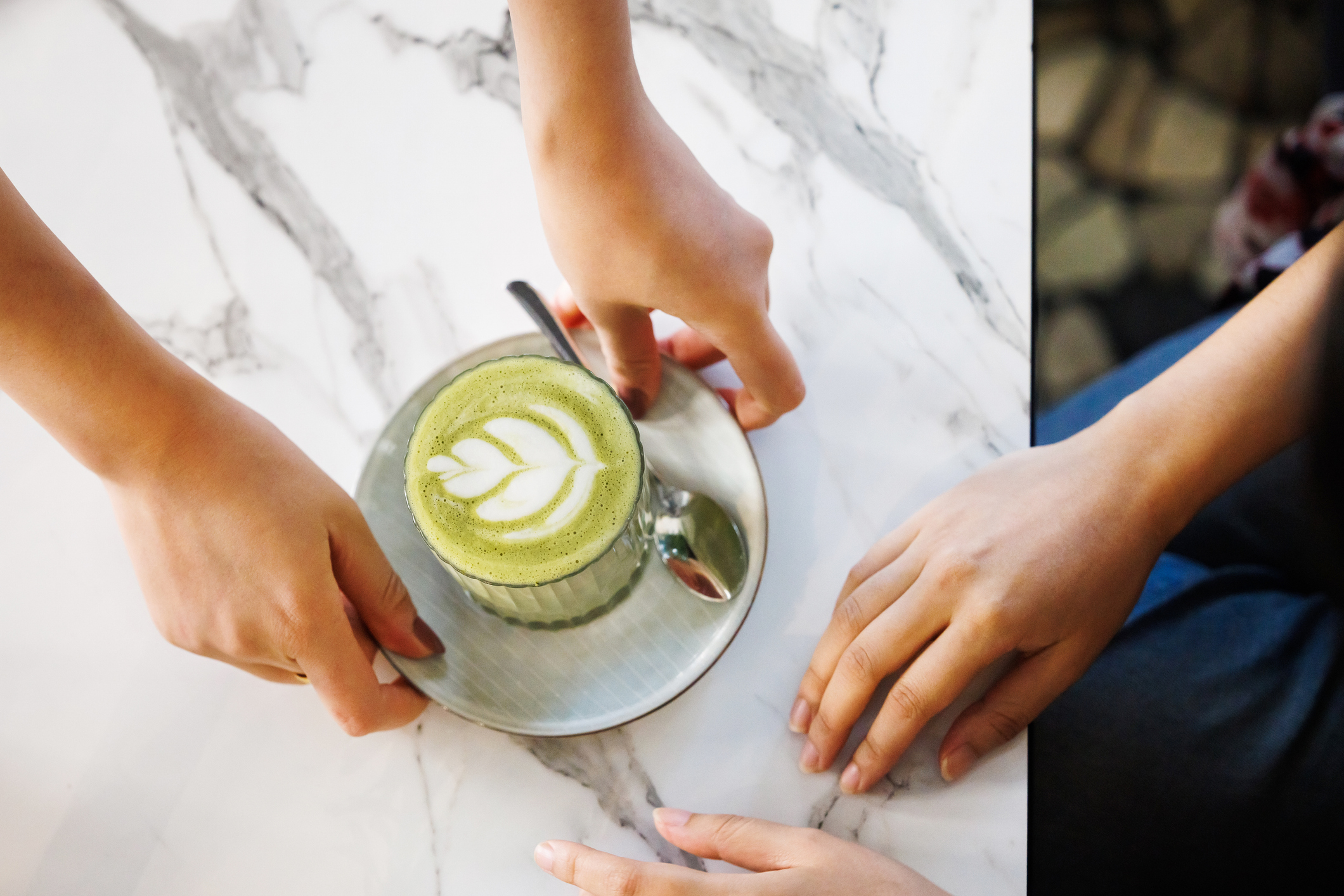
Once a drink reserved for Japanese tea ceremonies, matcha has moved into mainstream cafés, home kitchens, and wellness routines around the world. People reach for it not only for its bright, grassy flavor and striking green hue, but also as a gentler, more sustained alternative to coffee and energy drinks. Because you’re consuming the whole leaf, matcha delivers a higher concentration of antioxidants, a meaningful dose of caffeine, and an amino acid called L‑theanine that together create a calm, focused kind of energy many people find easier to live with than the sharp peaks and crashes of coffee.
But the true power of matcha can be found when you look beyond the antioxidants, according to Dr. Kristen Smith, a PhD and registered dietitian who serves as editor in chief of the monthly periodical Environmental Nutrition.
“Matcha contains antioxidant compounds called catechins, in particular epigallocatechin gallate (EGCG),” according to Dr. Smith. “These compounds help neutralize free radicals and help protect cells from oxidative stress as well as oxidative damage. So, consuming matcha regularly provides the body with a concentrated source of catechins, which likely help support the body’s natural defenses.”
What Is Matcha?
Matcha comes from the same plant as other true teas, the camellia sinensis shrub, but it is grown and processed in a way that transforms both its chemistry and its sensory profile. Weeks before harvest, farmers cover the tea bushes with shade cloth to limit sunlight, which drives the plant to increase chlorophyll, L‑theanine, and certain flavor compounds. After harvesting, the youngest leaves are steamed, dried, and de‑stemmed to produce a base tea called tencha; this is then ground between slow-turning granite stones into an ultra‑fine powder we know as matcha.
Because you whisk that powder into hot water instead of steeping and discarding the leaves, you ingest the full spectrum of the leaf’s caffeine, antioxidants, and amino acids in every sip. This explains why a modest-looking bowl of matcha can feel so potent compared to a standard cup of green tea.
Origins and History of Matcha
The story of matcha begins in China, where powdered tea was first developed during the Tang and Song dynasties as bricks and powders that could be whipped into hot water. In the late 12th and early 13th centuries, the Zen Buddhist monk Eisai brought tea seeds and the practice of whisking powdered tea to Japan, where the technique evolved into a distinct Japanese tradition. By the Muromachi period, Japanese farmers had refined the shade‑growing and stone‑grinding methods that define modern matcha, and the powdered tea became the centerpiece of the formal tea ceremony.
Over time, matcha became closely associated with Zen practice, samurai culture, and the aesthetic values of wabi‑sabi—simplicity, impermanence, and quiet refinement. Tea masters like Murata Jukō and Sen no Rikyū codified the chanoyu tea ceremony around matcha, emphasizing harmony, respect, purity, and tranquility in the preparation and sharing of a single bowl. Today, that ceremonial heritage lives alongside a more casual matcha culture that includes lattes, smoothies, and on‑the‑go drinks, but the core idea—mindful attention in each sip—remains.
How Matcha Is Made
Producing high‑quality matcha is labor‑intensive and begins weeks before the leaves are picked. About three to four weeks prior to harvest, tea bushes are shaded with nets or reed screens that block much of the sunlight, slowing photosynthesis and prompting the plant to synthesize more chlorophyll and amino acids, which deepen color and soften bitterness. Only the youngest spring leaves at the top of the plant are hand‑picked, quickly steamed to halt oxidation, then dried and sorted to remove stems and veins, leaving only tender leaf tissue.
The dried tencha leaves are then ground slowly in stone mills, often taking an hour or more to produce just 30 grams of powder; this protects aromatic compounds from heat damage and yields a silky, talc‑fine texture that suspends evenly in water. At this stage, producers separate the powder into ceremonial and culinary grades: ceremonial matcha uses the most delicate, shade‑rich leaves for a smooth, umami‑forward bowl, while culinary matcha may incorporate slightly older leaves or different cultivars that stand up well to milk, sweeteners, and cooking.
Matcha vs. Other Green Teas
Although matcha and familiar loose‑leaf or bagged green teas share a botanical origin, they diverge dramatically in how they are produced and consumed. Standard green tea is typically grown in full sun, then pan‑fired or steamed, rolled, and dried into leaves that you steep briefly in hot water before discarding. Matcha, by contrast, is shade‑grown, de‑stemmed, and milled into a powder that you ingest fully after whisking.
“Matcha exhibits a unique nutritional profile, especially when compared with coffee or green tea,” according to Dr. Smith. “Since matcha is made with finely ground tea leaves, it contains higher concentrations of antioxidants, particularly health-supporting catechins like epigallocatechin gallate (EGCG). Matcha also provides a modest amount of caffeine along with the calming amino acid L-theanine. This combination helps support a calm, sustained energy as opposed to a sharper energy boost and crash that many people experience with coffee.”
Still, this whole‑leaf consumption is one reason matcha can deliver significantly more caffeine and antioxidants than a comparable cup of steeped green tea, even when similar leaf weights are used. Sensory differences follow from that chemistry: while many green teas taste light, slightly astringent, and floral, matcha is denser and creamier, with intense umami and a lingering sweetness, especially in higher grades. For someone accustomed to a delicate sencha, the first sip of properly prepared matcha can feel more like an espresso shot of tea—concentrated and immersive rather than fleeting.
Matcha, Coffee, and the “Feel” of Caffeine
One of the most common questions new matcha drinkers ask is how its caffeine compares with coffee, not just in milligrams but in how it feels over the course of a morning. A typical serving of matcha made with about 2 grams (roughly 1 teaspoon) of powder provides in the neighborhood of 40–80 mg of caffeine, depending on grade and preparation, whereas an average 8‑ounce cup of brewed coffee often delivers around 95 mg or more. In terms of strict numbers, coffee usually wins, but the experience in the body is more nuanced.
In coffee, caffeine is absorbed rapidly, often leading to a sharp spike in alertness followed by a noticeable dip—along with side effects like jitters, a racing heart, or stomach upset in sensitive people.
“Matcha’s flavor profile is smoother and more full-bodied compared to regular green tea. When compared to coffee which has bolder and more roasted bitter notes, matcha flavors taste milder and softer,” says Dr. Smith. “It is often described as earthy and naturally savory (umami) with an overall mild sweetness. High-quality matcha may also be much less bitter than green tea.”
Matcha’s shade-grown leaves concentrate L‑theanine, which appears to slow the absorption of caffeine and modulate its effects, leading to what many describe as a “calm alertness” that builds gently and tapers off gradually over several hours. Gram for gram, matcha powder can contain caffeine levels comparable to or greater than coffee beans, but because serving sizes and absorption dynamics differ, the lived experience is typically smoother.
Health Benefits: Antioxidants, Caffeine, and L‑Theanine
Because you consume the whole leaf, a bowl of matcha can deliver a substantially higher catechin load than steeped green tea, which may support cardiovascular health, metabolic function, and cellular protection when combined with an overall healthy lifestyle.
L‑theanine, the amino acid that thrives under shade‑growing conditions, is central to matcha’s reputation as a “focused calm” drink. Controlled trials and meta‑analyses indicate that L‑theanine can increase alpha brain‑wave activity—patterns linked with relaxed but alert mental states—while reducing self‑reported stress and tension in demanding cognitive tasks. When combined with caffeine, L‑theanine appears to improve attention and reaction time without the heavy, sedative feeling associated with traditional tranquilizers, smoothing the edges of stimulation rather than blocking it.
How to Prepare Matcha
Traditional preparation begins with three simple tools: a ceramic bowl (chawan), a bamboo whisk (chasen), and a bamboo scoop (chashaku). Start by sifting 1–2 teaspoons (2–4 grams) of matcha into the bowl to eliminate clumps and ensure a smooth texture. Add a small amount of hot water below boiling—ideally around 160–175°F (70–80°C)—and whisk in a zigzag motion with the wrist until a thick, foamy layer forms on the surface. You can then add more water for a thinner, tea‑like consistency or keep it more concentrated for a robust, espresso‑like experience.
Beyond the tea ceremony, matcha has become a versatile ingredient in modern kitchens. You can blend it into lattes with dairy or plant milks, stir it into smoothies for a green energy boost, or incorporate it into baked goods, ice creams, and sauces where its color and earthy sweetness stand out. Many people reserve the finest ceremonial grades for drinking and use more economical culinary grades in cooking or baking, since high heat can mute delicate aromatics.
What Does Matcha Taste Like?
Matcha’s flavor can be surprisingly complex, especially for those used only to bagged green tea. High‑quality ceremonial matcha is often described as rich in umami, with a creamy mouthfeel, gentle natural sweetness, and only a whisper of pleasant bitterness on the finish. Lower‑grade or older matcha can taste more aggressively bitter or astringent, with less depth, which is one reason it is often blended with sweeteners or milk.
Several factors shape the final cup: the level and duration of shading, the cultivar, the age of the leaves at harvest, and how the matcha is stored and prepared. Water that is too hot can scorch delicate compounds and amplify bitterness, while slightly cooler water and vigorous whisking tend to emphasize sweetness and aroma. As a rule of thumb, good matcha should taste vibrant and alive—more like fresh greens and sea breeze than dull grass or burnt leaves.
How to Buy and Store Matcha
Because matcha is so exposed to air, light, and heat, quality and freshness matter. Look for matcha that is vivid, almost neon green rather than dull olive, with a fine, talc‑like texture and a fresh, sweet aroma; these cues often indicate careful shade‑growing and gentle processing. Ceremonial‑grade matcha is usually best for straight whisked tea, while culinary grades are more cost‑effective for lattes, smoothies, and baking.
Once opened, matcha should be stored in an airtight, opaque container, ideally refrigerated, to slow oxidation and preserve its color and flavor. Many producers recommend consuming it within a few weeks to a couple of months for peak character, even if the official best‑by date extends longer. If your matcha has turned brownish and lost its aroma, it is still safe but won’t deliver the same vibrancy in the cup, and at that point it’s better suited to baking than to a meditative morning bowl.
Bringing It All Together
Matcha sits at the crossroads of tradition and modern wellness: a centuries‑old powdered tea refined in Japanese monasteries and tea houses, now embraced worldwide as a smoother, more sustainable form of daily energy. Its shade‑grown leaves and whole‑leaf preparation concentrate caffeine, antioxidants, and L‑theanine in a way that supports focus and calm rather than nervous overstimulation, making it a compelling alternative or complement to coffee. Whether you approach it through the quiet ritual of a chawan and chasen or as a vibrant addition to your favorite latte or smoothie, understanding what matcha is—and how it differs from other green teas—can help you get the most satisfaction and benefit from every bright green cup.