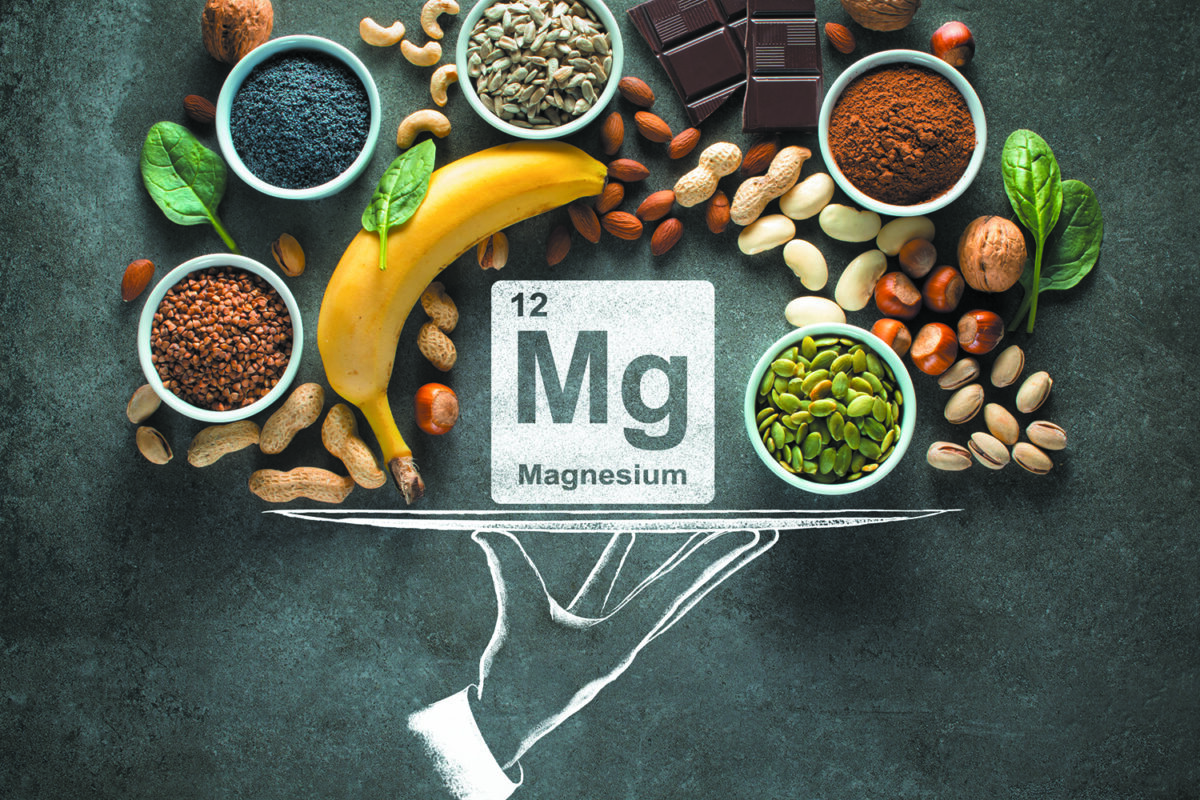
Magnesium is a mineral the human body requires to function properly. The benefits of taking magnesium include regulating calcium and blood sugar and maintaining healthy nerves, the cardiovascular system, muscles and bones.
The recommended daily amount of magnesium is 320 milligrams (mg) for adult women and 420 mg for adult men. Just understand that the best source of magnesium isn’t a supplement, and there is no “best” magnesium supplement. Rather, as with just about any important nutrient, it’s best to get magnesium through a healthful diet.
“It’s very easy to get the benefits of magnesium through your diet, because if you eat healthy foods like fruits, vegetables, nuts, seeds and beans, you’re going to be able to meet your magnesium needs,” says Cleveland Clinic dietitian Julia Zumpano, RD, LD. “But if you’re not eating any of those foods, you’re certainly going to be deficient.”
Rather than counting the amount of magnesium you ingest each day, dietitians often recommend following good overall nutrition, including seven to nine servings of fruits and vegetables, three servings of whole grains, a quarter-cup of nuts or seeds and a half-cup of beans most days.
Benefits of Magnesium for the Body
The benefits of magnesium extend to your:
- Heart rhythm
- Bone health
- Blood pressure
- Muscle contractions
People also look to magnesium for help with:
- Anxiety
- Sleep (including relief of restless legs syndrome)
- Digestion
- Cardiovascular disease
- Headaches
- Diabetes
- Muscle soreness
Overall, the list of potential benefits of magnesium is long, and magnesium has been the focus of a number of research studies.
Experts know that the body relies on magnesium for many essential functions, and magnesium deficiencies are associated with several conditions. What hasn’t been revealed through rigorous research is whether increasing magnesium intake or taking supplements produces benefits in all of these areas. The research touting some of these benefits relies on small studies that are not definitive.
Foods
- Chia and pumpkin seeds
- Almonds
- Cashews
- Peanuts
- Black beans
- Brown rice
- Spinach
- Fortified cereals
- Low-fat dairy products
- Apples
- Carrots
- Dark chocolate
Rather than counting magnesium, eat 7–9 servings of fruits and vegetables, 3 servings of whole grains and a quarter-cup of nuts or seeds and a half-cup of beans most days.
Oral Supplements
- Magnesium citrate: may have laxative effect
- Magnesium glycinate: may have benefits for sleep and reduced anxiety
- Magnesium oxide: may be taken for constipation or indigestion
Taking less than 350 mg daily is usually considered safe, but talk to your healthcare provider.
Topical
Magnesium sulfate, better known as Epsom salt, can relieve muscle aches and more when added to a bath.
Benefits of Taking Magnesium for Arthritis
Deficiencies in magnesium are associated with osteoarthritis (OA) and rheumatoid arthritis. Studies suggest magnesium has an anti-inflammatory effect, may strengthen bone and protect cartilage, and also may reduce muscle pains. As such, it can be important for managing arthritis symptoms.
For instance, in a study involving 2,548 adults with knee OA who were surveyed about their dietary habits, researchers reported that the participants with lower magnesium intake had worse knee OA pain and function, especially those with low dietary fiber consumption.
More research about magnesium and arthritis is ongoing.
Magnesium Deficiency is Common
Magnesium deficiency is fairly common and rarely diagnosed. Magnesium deficiency has been called a public health crisis.
“Research estimates that 60% of adults do not achieve the average dietary intake of magnesium, and 45% of Americans are magnesium deficient, a condition associated with disease states like hypertension, diabetes, and neurological disorders,” says Zumpano.
In some populations, such as postmenopausal women with osteoporosis, over 80% have magnesium deficiency. These shortfalls in magnesium typically produce no clinical symptoms, but they are associated with chronic conditions like cardiovascular disease and osteoporosis.
In order to maintain normal blood levels of magnesium, the body can pull magnesium from bones, muscles and internal organs, but this process renders blood tests for magnesium deficiency inaccurate. Other methods for testing magnesium exist, but they are not as simple as a blood test.
Supplementing Magnesium
If you can’t get sufficient magnesium from food alone, supplementing magnesium is relatively simple, inexpensive and low risk. Multiple magnesium supplements are available (see box) and the best magnesium supplement for you may depend on your symptoms and other conditions.
“Magnesium is the supplement that has helped me more than I’d say any other supplement I’ve ever taken,” says Zumpano.
Talk to your healthcare provider about supplements you take, because some people, especially those with kidney failure, may not be able to take magnesium.
Importantly, magnesium supplements may interact with (and potentially reduce the absorption of) some widely prescribed medications, including bone-building drugs known as bisphosphonates—examples include alendronate (Fosamax), risedronate (Actonel), ibandronate (Boniva), and zoledronic acid (Reclast)—certain antibiotics, and the antiseizure drug gabapentin (Neurontin), which is also used to treat a number of chronic pain conditions.