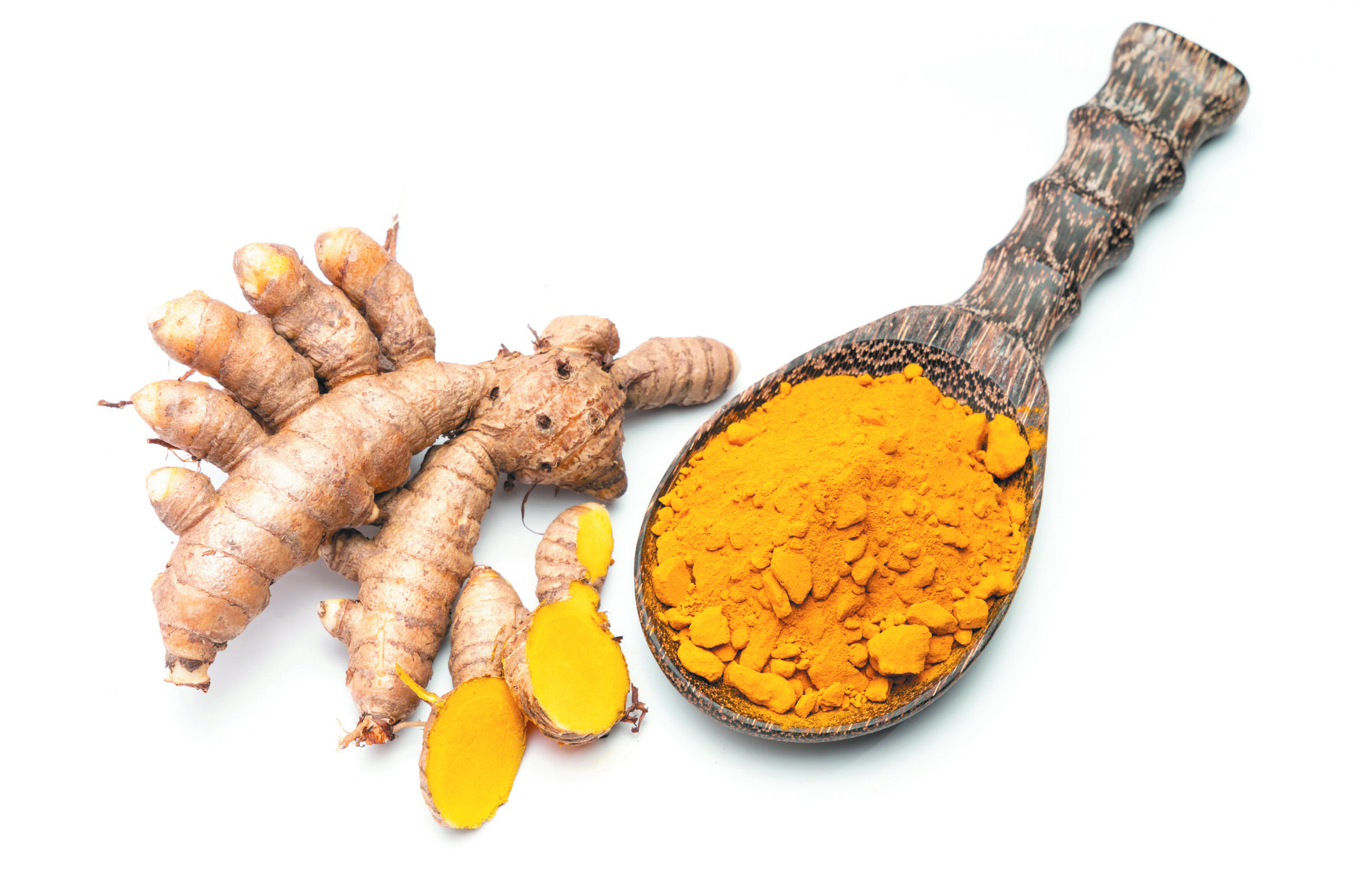
Turmeric is a bright yellow spice that has been used for thousands of years. You’ve probably seen it in curries, soups, or teas—it gives food a warm color and a gentle, earthy taste. But turmeric is more than just a kitchen ingredient. Among the many potential turmeric benefits are reductions in joint pain and inflammation.
The scientific literature has produced moderate evidence for anti-inflammatory and antioxidant effects of turmeric, particularly for arthritis, mood, and metabolic health. However, bioavailability (how well your body can absorb and use turmeric) remains a key challenge, and large, long-term trials are still limited.
Turmeric Benefits
Turmeric comes from the root of a plant called Curcuma longa, which is part of the ginger family. It has been grown in India and Southeast Asia for over 4,000 years. In traditional Indian medicine, turmeric has been used to help with digestion, joint pain, wounds, and even mood.
It’s also been used in religious and cultural ceremonies, symbolizing good health and happiness. Today, turmeric is still part of daily cooking and medicine in many parts of the world.
The main active part of turmeric is a compound called curcumin, which gives turmeric its golden color and many of its healing properties. Scientists have found that curcumin can reduce inflammation and oxidative stress in the body. These two problems play a big role in many chronic health conditions, such as arthritis, heart disease, and diabetes.
However, curcumin doesn’t absorb well into the body on its own, so if you just eat turmeric powder, you absorb only a small amount of curcumin. The good news is that black pepper or a bit of healthy fat (like olive oil) can help your body absorb curcumin better. Many turmeric supplements include black pepper extract, called piperine, for this reason.
Is Turmeric Good for You?
Research has suggested a number of potential beneficial effects of turmeric, including:
- Joint and muscle relief. One of the best-known turmeric benefits is its ability to reduce joint pain and stiffness. Several studies have shown that curcumin can help people with osteoarthritis feel less pain and move more easily. Some studies even found it worked as well as common pain relievers, but with fewer stomach problems.
- Heart and metabolic health. Turmeric may help lower cholesterol, blood sugar, and inflammation in the body. These small changes can add up and support better heart and metabolic health over time. Turmeric is not a replacement for medication, but it can be a helpful addition to a healthy diet.
- Mood and brain health. Some research shows turmeric may lift mood and support memory. People who took curcumin supplements in studies reported feeling less depressed and more alert. Scientists think this finding may be because curcumin helps reduce inflammation in the brain.
- Digestive and liver support. Turmeric has long been used to support digestion. It can help your body make bile, which breaks down fats. Some early research also suggests that turmeric may help protect the liver from damage, though more studies are needed.
- Turmeric benefits for skin. Some data suggest that, due to its anti-inflammatory properties, turmeric may aid in the treatment of certain skin disorders, such as eczema, dermatitis, psoriasis, and acne.
Turmeric Side Effects
For most people, turmeric is very safe. It’s part of many everyday foods, and even in supplement form, it’s well-tolerated. A few people may notice mild stomach upset or loose stools if they take too much.
If you take blood thinners, have gallstones, or are on other medications, talk to your doctor before taking turmeric supplements, as they can interact with certain medicines.
How to Gain Turmeric Benefits
You can use turmeric in several ways:
- In food: Add it to soups, stews, eggs, or rice for color and flavor.
- As a drink: Try “golden milk”—warm milk (dairy or plant-based) mixed with turmeric, a bit of black pepper, and honey.
- In supplements: Look for curcumin capsules that include black pepper or special formulas designed to improve absorption. A common supplement dose is 500 to 1,000 milligrams of curcumin per day, often taken with meals.
The Bottom Line
Turmeric has been used for healing for thousands of years, and now modern science is catching up. Turmeric may help ease joint pain, support heart health, and even boost mood. While it’s not a miracle cure, adding turmeric to your meals or taking a good-quality supplement could be a simple, natural way to support your health as you age.
As always, it’s best to check with your doctor before starting any new supplement, especially if you take medication. But for many people, this golden spice is a safe and pleasant way to add a little warmth, color, and health to everyday life.